Nutrition for Healthy Nails: What Your Diet Can and Can't Do
Nutrition for healthy nails refers to the nutrients, foods, and overall eating habits that give the body what it needs to build keratin, the tough protein that nails are made of. It does not mean a single vitamin or a quick fix, because nail quality also depends on genetics, age, health conditions, and daily wear. Here you will find what nail nutrition generally means, when diet matters most, which ideas people often mix up, and why it deserves a sensible, realistic approach.
What Nutrition for Healthy Nails Actually Means

Nails grow from a small area under the skin at the base, called the nail matrix. Cells there multiply, harden, and push forward as the visible nail plate. Because this is a steadily growing tissue, it needs a regular supply of protein, minerals, and vitamins delivered through the bloodstream.
Think of a nail like a brick wall built one row at a time. If the bricks, mortar, and workers are all available, the wall goes up evenly. If one supply runs short for a while, the wall may show a weak or uneven row later. That is the only comparison needed here, and it captures the basic idea: nails record what the body has had to work with over the past weeks and months.
Protein as the raw material
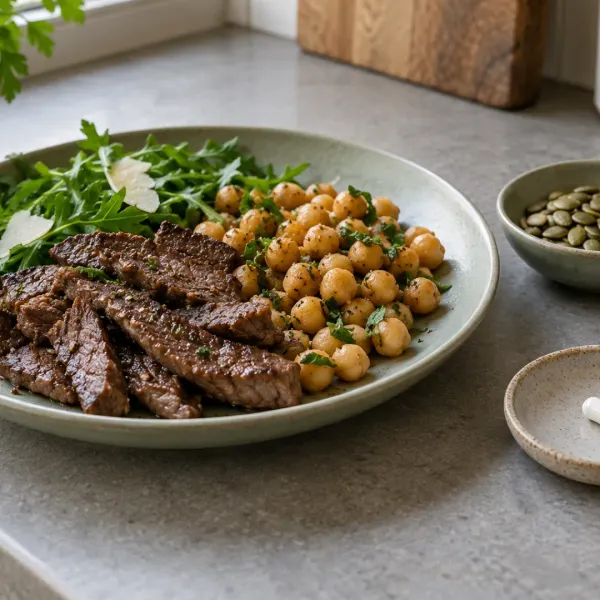
Keratin is a protein, so eating enough protein overall is a foundation of nail health. Protein comes from many sources, including eggs, fish, poultry, dairy, beans, lentils, nuts, and soy foods. Most people who eat a varied diet get enough, but people on very restrictive diets or with reduced appetite may fall short.
Vitamins and minerals often discussed
Several nutrients come up repeatedly in nail conversations. According to the NIH Office of Dietary Supplements, biotin (a B vitamin, also called vitamin B7) helps the body process fats, carbohydrates, and protein, and it is often marketed for hair and nails. The same general guidance notes that evidence for biotin improving nails in people who are not deficient is limited.
- Iron: Needed to carry oxygen in the blood. Low iron is sometimes associated with brittle or spoon-shaped nails.
- Zinc: Involved in cell growth and repair, which includes the nail matrix.
- Vitamin C: Supports collagen formation and helps the body absorb iron from plant foods.
- Healthy fats: Found in fish, nuts, seeds, and olive oil, and often linked with overall skin and nail moisture.
- Vitamin D and calcium: Important for general body function, though their direct effect on nail appearance is less clear.
Each of these terms points to a nutrient the body needs in modest, steady amounts, and in most cases food covers it. How much any one person needs depends on age, sex, health status, and medications, so individual needs are best clarified with a clinician or registered dietitian.
When Diet Becomes Relevant to Your Nails
Diet tends to matter most when there is a real gap: a long stretch of low intake, a restrictive eating pattern, a condition that affects absorption, or increased needs such as during pregnancy. In those situations, nails may become thin, ridged, slow-growing, or easier to split. Nails grow slowly, so changes in eating habits usually take months to show up in new growth, not days.
Situations where nutrition may play a role
- Prolonged calorie or protein restriction, including some crash diets.
- Digestive conditions that can interfere with nutrient absorption, as discussed in general terms by the NIH and MedlinePlus.
- Heavy menstrual bleeding or other causes of low iron.
- Diets that exclude entire food groups without a plan to replace their nutrients.
- Older age, when appetite and absorption can change.
Situations where diet is probably not the main cause
Plenty of nail trouble has little to do with food. Frequent hand washing, hand sanitizer, harsh cleaning products, long soaks in water, gel or acrylic removal, and biting or picking all wear nails down. Natural aging also makes nails drier and more brittle for many people. If these factors are present, improving the diet alone may not change much.
Common Mix-Ups About Nail Nutrition
Biotin is not a universal nail fix
Biotin is probably the most famous nail supplement, and that popularity sometimes creates the impression that more is always better. The NIH Office of Dietary Supplements describes true biotin deficiency as uncommon, and notes that research on supplements for nails is limited. The U.S. Food and Drug Administration has also issued a safety communication explaining that biotin in supplements can interfere with certain lab tests, including some heart and hormone tests. Anyone considering a supplement should talk with a pharmacist or doctor first, especially before blood work.
White spots are not a sign of calcium shortage
Small white marks on nails are a widely repeated example of a myth. According to general guidance from the American Academy of Dermatology, these marks are most often linked to minor injury to the nail, such as bumping or pressing it, rather than to a lack of calcium. Persistent or widespread changes are a different matter and are worth a professional look.
Food, supplements, and topical products are different things
Eating nutrient-rich foods, taking a supplement, and applying a nail hardener or oil are three separate approaches. Food supports the nail from the inside as it forms. Topical products mostly affect the surface and flexibility of the nail that already exists. Supplements are a third category, and because they are not reviewed by the FDA the way medicines are before sale, quality and content can vary between brands. A pharmacist can help sort out what, if anything, fits a specific situation.
Ridges, color changes, and brittleness are not all the same
Fine vertical ridges are common with age and are often harmless. Horizontal grooves, dark streaks, thickening, yellowing, or separation from the nail bed can have very different causes, including infection, skin conditions, injury, or other health issues. Treating all of them as a "vitamin problem" can delay a proper evaluation.
Why Nutrition for Healthy Nails Matters in Practice
The practical value of this topic is less about perfect nails and more about what nails can signal and how to support them without wasting money or taking risks. A balanced eating pattern helps the whole body, and nails tend to benefit as a side effect. That is a gentler and more realistic promise than any product label offers, and results vary from person to person.
A food-first mindset
General guidance from the U.S. Dietary Guidelines and MyPlate encourages a mix of vegetables, fruits, whole grains, protein foods, and dairy or fortified alternatives. Following that kind of pattern naturally brings in many of the nutrients linked with nail growth. Many people find this easier to sustain than a long list of pills, and it carries other health benefits beyond nails.
Why more is not always better
Some nutrients can cause problems in excess. For example, high intake of certain minerals from supplements can crowd out absorption of others or cause stomach upset, and reactions vary from person to person.
Signs that call for professional care
Nails are small, but they sometimes reflect broader health. It is sensible to contact a doctor or dermatologist if you notice:
- A dark streak or spot under the nail, especially if it is new, widening, or not linked to an injury.
- Nails that lift away from the nail bed or change shape noticeably.
- Redness, swelling, pain, or pus around the nail, which can suggest infection.
- Thick, yellow, or crumbly nails that persist.
- Nail changes along with tiredness, hair loss, unexplained weight change, or other symptoms.
Bring a list of any supplements you take to the appointment. Because nails grow slowly, a clinician may also want to look at changes over time rather than judging from one visit.
Protecting nails from the outside
Even with a good diet, nails still face daily wear. Many dermatology resources, including general guidance from the American Academy of Dermatology, point to moisturizing the hands and nails, wearing gloves for wet or chemical work, and being gentle during manicures. These habits sit alongside nutrition rather than replacing it, and a professional can advise on products that suit your skin.
What Understanding Nail Nutrition Changes in Your Decisions
Knowing how nutrition for healthy nails really works shifts two choices in a practical way. Both come down to matching the effort to the likely cause.
- You can weigh supplements more carefully. Since nail growth reflects overall intake and supplements vary in quality, it makes sense to look at your regular meals first and to ask a pharmacist or doctor before buying a nail-targeted product, particularly one containing biotin that could affect lab tests.
- You can tell when to look beyond the kitchen. If nails are changing in color, shape, or comfort, or if the changes come with other symptoms, a professional evaluation is a better next step than adding more nutrients, because the cause may not be dietary at all.
Whether a prescription medicine or a specific dose is right for you is a decision to make with a doctor or pharmacist.
Disclaimer: This article is for informational purposes only and is not a substitute for professional medical advice, diagnosis, or treatment. Please consult a licensed professional for personal health decisions.