Category: sleep

  • Sleep and Muscle Recovery: What Science Says About Rest and Repair

    Sleep and Muscle Recovery: What Science Says About Rest and Repair

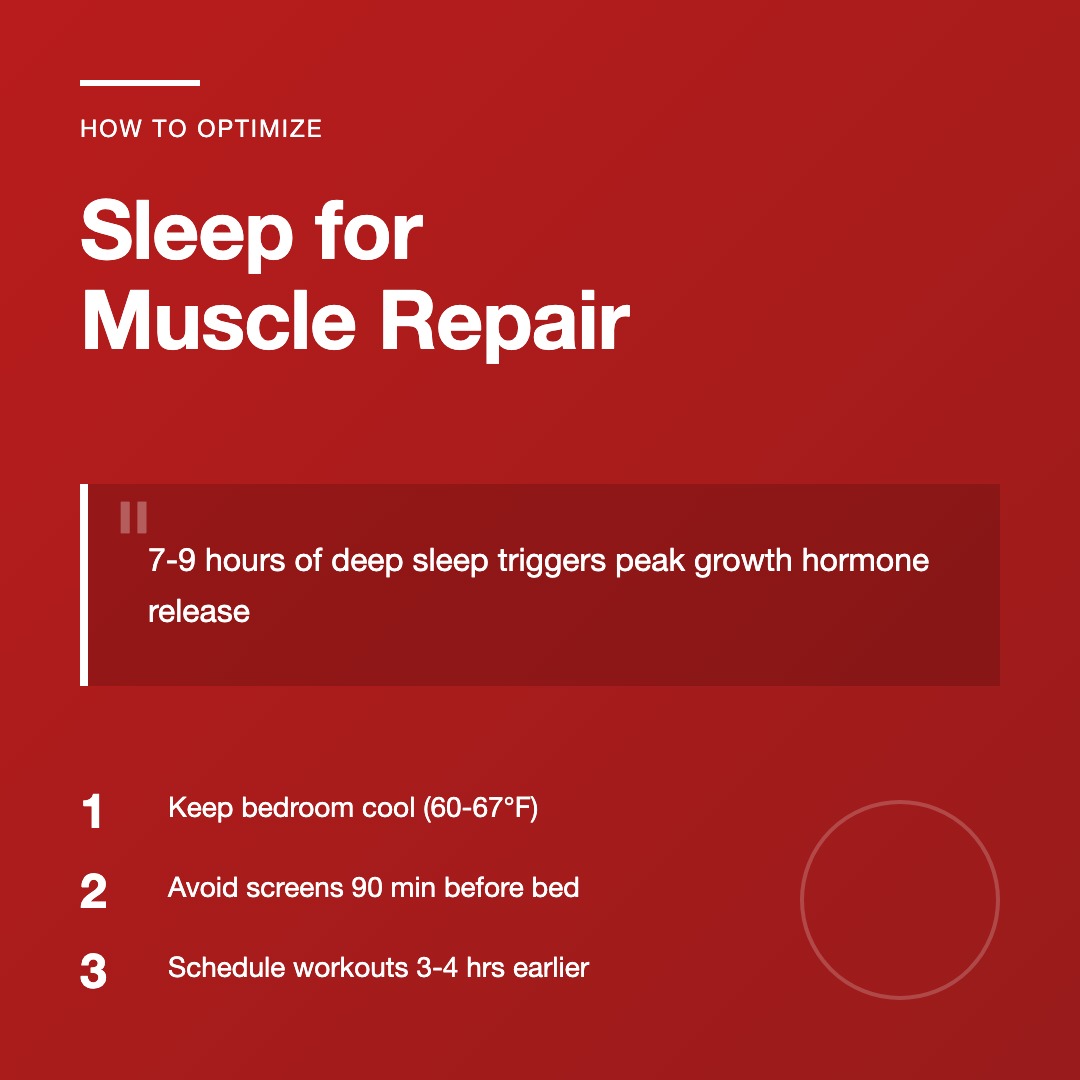
    Sleep and muscle recovery share a direct biological relationship that determines how effectively your body repairs tissue and builds strength. During deep sleep, growth hormone secretion peaks and protein synthesis accelerates, creating optimal conditions for muscle repair. Most adults need 7-9 hours of quality sleep for adequate recovery, though athletes may require more.

    Why Sleep Matters for Physical Recovery

    When you exercise, you create microscopic tears in muscle fibers. The repair process happens primarily during rest, with sleep providing the most concentrated recovery window. During deep sleep, blood flow to muscles increases, delivering oxygen and nutrients while removing metabolic waste.

    Growth hormone, essential for tissue repair, is released in pulses throughout the night, with the largest surge during the first deep sleep cycle. Sleep deprivation disrupts this pattern and elevates cortisol, a stress hormone that interferes with muscle protein synthesis.

    Sleep Stages and Recovery Processes

    Deep sleep (stage 3) typically occurs during the first half of the night and is when the most significant physical repair happens. REM sleep supports nervous system restoration. A full night includes 4-6 complete cycles, each lasting approximately 90 minutes.

    Optimal Sleep Duration for Athletes

    General guidelines recommend 7-9 hours, but individuals in intense training often benefit from 8-10 hours. Chronic insufficient sleep—even by just one hour nightly—can reduce performance, increase injury risk, and slow muscle adaptation.

    Factors That Disrupt Recovery Sleep

    Caffeine consumed within 6 hours of bedtime reduces deep sleep duration. Alcohol fragments sleep architecture and suppresses REM sleep. Blue light from screens suppresses melatonin production. Room temperatures above 70°F can reduce deep sleep time. Inconsistent sleep schedules confuse your circadian system.

    Practical Strategies to Enhance Recovery Sleep

    Establish a consistent sleep schedule. Create a cool, dark, quiet environment—temperatures around 65-68°F support deeper sleep. Limit screen exposure 1-2 hours before bed. Consider a light protein snack before bed. Avoid intense exercise within 3 hours of bedtime.

    Common Misconceptions About Sleep and Recovery

    Misconception 1: “You can catch up on sleep during weekends.” Reality: Extra weekend sleep reduces some sleep debt but doesn’t fully compensate for chronic weekday deprivation.

    Misconception 2: “More sleep is always better.” Reality: Individual needs vary, and quality matters as much as quantity.

    Frequently Asked Questions

    How quickly does poor sleep affect muscle recovery?

    Effects can appear within 24-48 hours. A single night of reduced sleep measurably decreases muscle protein synthesis rates.

    Can naps replace nighttime sleep for recovery?

    Naps complement but don’t fully replace nighttime sleep. Nighttime sleep provides longer continuous periods when growth hormone release peaks.

    What’s the minimum sleep needed to maintain muscle mass?

    Research suggests consistently sleeping less than 6 hours significantly impairs muscle protein synthesis. Most people need at least 7 hours for basic maintenance.

    Moving Forward with Better Recovery

    Sleep and muscle recovery are inseparable components of physical adaptation. Quality sleep isn’t a luxury—it’s a fundamental requirement for effective recovery. Start by assessing your current sleep patterns honestly and implement one or two practical changes. When sleep challenges persist despite good practices, seek qualified professional guidance.

    Disclaimer: This article is for informational purposes only and is not a substitute for professional medical advice, diagnosis, or treatment. Please consult a licensed professional for personal health decisions.


    📚 References

    The official and high-authority sources below can help readers verify the context safely.

    1. PubMed (National Library of Medicine)
    2. National Institutes of Health (NIH)

  • Why You Wake Up at 3am and How to Sleep Through the Night

    Why You Wake Up at 3am and How to Sleep Through the Night

    You’ve been asleep for hours when your eyes suddenly open. The clock reads 3:17am. Your mind starts racing, and you know getting back to sleep won’t be easy. If this sounds familiar, you’re not alone—many people experience regular nighttime waking, often around the same hour.

    This pattern isn’t random, and it’s usually not a sign that something is seriously wrong. Your body follows natural rhythms that can make certain hours more vulnerable to waking. Stress, lifestyle habits, and even what you ate for dinner can all play a role. Understanding why this happens gives you practical ways to sleep more soundly.

    What You’ll Learn in This Article

    • How your sleep cycles and body clock create vulnerable wake-up windows
    • Common physical and emotional triggers for 3am waking
    • Step-by-step strategies to reduce nighttime disturbances
    • When middle-of-the-night waking signals a health concern
    • Advanced techniques for deeper, uninterrupted rest
    • Tools and resources to track and improve your sleep

    Understanding Your Sleep Architecture

    Sleep isn’t a single state—it’s a carefully orchestrated cycle that repeats several times each night. You move through light sleep, deep sleep, and REM (rapid eye movement) sleep in roughly 90-minute cycles. Most people complete four to six cycles per night.

    Around three to four hours after falling asleep, you’re often transitioning between cycles. During these transitions, you naturally come closer to wakefulness. If something else is slightly off—stress hormones, room temperature, a full bladder—you may fully wake instead of smoothly entering the next cycle.

    The Cortisol Connection

    Your body produces cortisol, often called the stress hormone, on a daily rhythm. Cortisol levels are supposed to be lowest around midnight and begin rising in the early morning hours to help you wake up. In some people, especially those under chronic stress, cortisol can spike too early—sometimes between 2am and 4am—jolting you awake.

    This early cortisol surge isn’t a disease, but it reflects how your body is managing stress. If you’re worried about work, relationships, or health, your nervous system may stay partially activated even during sleep, making you more sensitive to these natural hormone shifts.

    Blood Sugar Fluctuations

    What you eat in the evening affects your blood sugar levels overnight. If you skip dinner or eat a very light meal, your blood sugar may drop too low in the middle of the night. Your body responds by releasing adrenaline and cortisol to raise blood sugar—and these same hormones can wake you up.

    On the flip side, eating a large, sugary meal close to bedtime can cause a spike followed by a crash, which also disrupts sleep. Individual responses vary widely, so paying attention to your own patterns matters more than following rigid rules.

    Step-by-Step Solutions to Sleep Through the Night

    Step 1: Stabilize Your Evening Eating Pattern

    Eat a balanced dinner that includes protein, healthy fats, and complex carbohydrates about three to four hours before bed. If you tend to get hungry late at night, have a small snack an hour or two before sleep—something like a handful of nuts, yogurt, or whole-grain crackers with cheese.

    Avoid large amounts of sugar or refined carbs in the evening. These can cause blood sugar swings that interfere with sleep quality. Also limit caffeine after 2pm and alcohol in the evening, as both disrupt sleep cycles even if they initially make you drowsy.

    Step 2: Create a Consistent Sleep Schedule

    Go to bed and wake up at the same time every day, including weekends. Your body’s internal clock, or circadian rhythm, thrives on consistency. When your schedule is erratic, your sleep cycles become less stable, making nighttime waking more likely.

    If you currently wake at 3am, resist the urge to sleep in the next morning to “catch up.” This shifts your rhythm further and can perpetuate the pattern. Instead, maintain your regular wake time and allow your body to gradually adjust.

    Step 3: Manage Stress and Worry Before Bed

    Set aside 15–30 minutes in the early evening to write down worries or make a to-do list for tomorrow. This mental “dumping” helps prevent your brain from processing these concerns at 3am when you should be asleep.

    Practice a calming activity in the hour before bed: gentle stretching, reading, listening to quiet music, or a warm bath. Avoid intense exercise, work emails, or stressful conversations late at night. The goal is to signal your nervous system that it’s safe to wind down.

    Step 4: Optimize Your Sleep Environment

    Your bedroom should be cool (around 60–67°F or 15–19°C), dark, and quiet. Use blackout curtains or an eye mask if light is an issue. Consider a white noise machine or earplugs if you’re sensitive to sound.

    Make sure your mattress and pillows are comfortable and supportive. Discomfort can cause brief arousals throughout the night, and if one of those arousals coincides with a natural sleep cycle transition, you may fully wake.

    Step 5: Limit Screen Time in the Evening

    Blue light from phones, tablets, and computers suppresses melatonin, the hormone that helps you fall and stay asleep. Try to avoid screens for at least one hour before bed. If you must use a device, enable night mode or use blue-light-blocking glasses.

    The content you consume also matters. Scrolling through news or social media can increase mental arousal and stress, making it harder for your mind to settle once you’re in bed.

    Step 6: If You Wake, Don’t Fight It

    If you do wake at 3am, avoid looking at the clock—this can trigger anxiety about lost sleep. Don’t turn on bright lights or reach for your phone. Instead, practice slow, deep breathing or a simple body scan meditation.

    If you’re still awake after 20 minutes, get out of bed and do a quiet, non-stimulating activity in dim light—reading a book, gentle stretching, or listening to calming music. Return to bed only when you feel drowsy again. This prevents your brain from associating your bed with frustration and wakefulness.

    Step 7: Track Your Patterns

    Keep a simple sleep diary for one to two weeks. Note when you go to bed, when you wake during the night, what you ate and drank in the evening, your stress level, and any other relevant details. Patterns often emerge that point to specific triggers you can address.

    Apps and wearable devices can also track sleep stages and disturbances, though they’re not perfectly accurate. Use them as general guides, not diagnostic tools.

    Common Mistakes and What to Avoid

    Trying to force yourself back to sleep: Lying in bed awake and frustrated only increases anxiety and makes sleep harder. If you’re awake for more than 20 minutes, it’s better to get up briefly and reset.

    Using alcohol as a sleep aid: While alcohol may help you fall asleep initially, it disrupts sleep cycles later in the night and often causes early-morning waking.

    Napping too long or too late: Long naps or naps after 3pm can interfere with nighttime sleep. If you need to nap, keep it to 20–30 minutes in the early afternoon.

    Ignoring underlying health issues: Persistent sleep problems can sometimes signal conditions like sleep apnea, thyroid disorders, anxiety, or depression. If self-help strategies don’t improve your sleep within a few weeks, consult a healthcare provider.

    Expecting instant results: Sleep patterns take time to shift. Be patient and consistent with new habits for at least two to three weeks before evaluating their effectiveness.

    Advanced Techniques for Better Sleep

    Cognitive Behavioral Therapy for Insomnia (CBT-I)

    CBT-I is a structured program that helps you identify and change thoughts and behaviors that interfere with sleep. It’s considered the most effective non-medication treatment for chronic insomnia. Many therapists offer CBT-I, and there are also online programs and apps available.

    Mindfulness and Meditation Practices

    Regular mindfulness meditation can reduce overall stress and improve sleep quality. Even five to ten minutes daily can make a difference. Apps like Insight Timer, Calm, or Headspace offer guided sessions specifically for sleep.

    Body scan meditation, progressive muscle relaxation, and breathing exercises (such as the 4-7-8 technique) can be particularly helpful when practiced before bed or if you wake during the night.

    Light Exposure Timing

    Get bright light exposure, ideally natural sunlight, within the first hour of waking. This helps anchor your circadian rhythm and improves nighttime sleep. In the evening, dim lights and avoid bright overhead lighting to support natural melatonin production.

    Temperature Regulation

    Your core body temperature naturally drops during sleep. You can support this by taking a warm bath or shower about 90 minutes before bed. The subsequent cooling as you dry off signals your body that it’s time to sleep.

    Some people also benefit from cooling mattress pads or breathable bedding materials that help maintain a comfortable temperature throughout the night.

    Tools, Products, and Resources

    Sleep tracking apps: Sleep Cycle, SleepScore, Pillow (iOS), and many fitness trackers include sleep monitoring features. Use these to identify patterns, but don’t become overly focused on the data—sleep anxiety can become its own problem.

    White noise machines: LectroFan, Marpac Dohm, or simple fan can mask disruptive sounds. Some people prefer nature sounds, rain, or gentle music.

    Blue-light-blocking glasses: If you must use screens in the evening, glasses that filter blue light may help preserve melatonin production.

    Blackout curtains or eye masks: Complete darkness supports deeper sleep. Even small amounts of light can interfere with sleep quality for sensitive individuals.

    Weighted blankets: Some people find the gentle pressure calming and sleep-promoting, though individual preferences vary.

    Magnesium supplements: Magnesium glycinate or magnesium citrate taken in the evening may support relaxation and sleep for some people. Always consult a healthcare provider before starting any supplement, especially if you take medications or have health conditions.

    When to Seek Professional Help

    If you wake up at 3am most nights for more than a month despite trying these strategies, it’s time to talk to a healthcare provider. Persistent sleep disruption can be a symptom of:

    • Sleep apnea or other breathing disorders
    • Thyroid imbalances
    • Anxiety or depression
    • Chronic pain conditions
    • Medication side effects
    • Hormonal changes (menopause, for example)

    Your doctor may recommend a sleep study, blood tests, or referral to a sleep specialist. Don’t dismiss ongoing sleep problems as “just stress” or something you have to live with—effective treatments are available.

    Quick Reference Checklist

    • ☐ Eat a balanced dinner 3–4 hours before bed
    • ☐ Maintain consistent sleep and wake times
    • ☐ Avoid caffeine after 2pm and limit evening alcohol
    • ☐ Keep bedroom cool, dark, and quiet
    • ☐ Stop screen use 1 hour before bed
    • ☐ Practice a calming pre-bed routine
    • ☐ If you wake, don’t watch the clock or turn on lights
    • ☐ Get bright light exposure in the morning
    • ☐ Track sleep patterns for 1–2 weeks
    • ☐ Consult a healthcare provider if problems persist

    Frequently Asked Questions

    Is waking at 3am a sign of a serious health problem?

    Occasional nighttime waking is normal and not usually a cause for concern. However, if it happens most nights for several weeks and affects your daytime functioning, it’s worth discussing with a healthcare provider to rule out underlying conditions.

    Can drinking water before bed cause me to wake up?

    Drinking large amounts of fluid close to bedtime can lead to nighttime bathroom trips. Try to get most of your hydration earlier in the day and limit fluids in the two hours before sleep. However, don’t avoid water entirely—dehydration can also disrupt sleep.

    Does melatonin help with middle-of-the-night waking?

    Melatonin is most effective for helping you fall asleep initially, not for staying asleep. If you wake during the night, taking melatonin at that time is generally not recommended. Timing and dosage matter, so consult a healthcare provider if you’re considering melatonin supplements.

    Why do I wake up at the same time every night?

    Your body’s internal clock can create habitual wake times. If you’ve been waking at 3am regularly, your brain may have learned this pattern. Breaking the cycle requires consistency with sleep hygiene and sometimes cognitive behavioral techniques.

    Can anxiety medication help me sleep through the night?

    Some medications can help, but they’re not a first-line solution for most people. Cognitive behavioral therapy and lifestyle changes are usually more effective long-term. If anxiety is significantly disrupting your sleep, discuss options with a mental health professional or your doctor.

    How long does it take to fix a 3am waking pattern?

    Individual responses vary, but most people see improvement within two to four weeks of consistent sleep hygiene and stress management. Some patterns resolve more quickly, while others—especially those related to chronic stress or health conditions—may take longer.

    Final Thoughts

    Waking at 3am is frustrating, but it’s a pattern you can change with patience and the right strategies. Your sleep is influenced by many factors—hormones, stress, habits, environment, and health—and small adjustments in several areas often add up to significant improvement.

    Start with the basics: consistent timing, a calm evening routine, a comfortable sleep environment, and attention to what you eat and drink. Track your patterns to identify specific triggers. If you wake, respond with calm acceptance rather than frustration. And remember that occasional nighttime waking is normal—the goal is better overall sleep quality, not perfection.

    If self-help strategies don’t bring relief within a few weeks, reach out to a healthcare provider. Sleep is essential for your physical and mental health, and you deserve support in getting the rest you need.

    Disclaimer: This article is for informational purposes only and is not a substitute for professional medical advice, diagnosis, or treatment. Please consult a licensed professional for personal health decisions.


    📚 References

    The official and high-authority sources below can help readers verify the context safely.

    1. National Institutes of Health (NIH)
    2. PubMed (National Library of Medicine)

  • How Blue Light Affects Sleep Quality and What You Can Do About It

    How Blue Light Affects Sleep Quality and What You Can Do About It

    Expert Summary: Blue light exposure, particularly in the evening hours, can significantly interfere with your body’s natural sleep-wake cycle by suppressing melatonin production and delaying circadian rhythm. While the relationship between screen time and sleep quality is well-documented, individual responses vary considerably based on exposure timing, duration, and personal sensitivity. The good news is that practical adjustments to evening habits can help protect your sleep without requiring complete device elimination.

    Why Blue Light and Sleep Quality Matter Now

    Our relationship with artificial light has fundamentally changed over the past two decades. The average adult now spends over seven hours daily looking at screens, with many people checking devices within the hour before bed. This shift matters because blue light—the short-wavelength light emitted by phones, tablets, computers, and LED lighting—has a unique biological effect on human physiology.

    Blue light isn’t inherently harmful. During daylight hours, it actually helps us stay alert, supports mood regulation, and reinforces healthy circadian timing. The challenge arises when we’re exposed to these wavelengths during evening hours, when our bodies naturally expect darkness. Research consistently shows that evening blue light exposure can suppress melatonin (the hormone that signals sleep readiness) by up to 50% compared to dim light conditions, though exact percentages vary across studies and individuals.

    The concern extends beyond just feeling tired. Chronic circadian disruption has been associated with various health considerations, though it’s important to note that blue light is just one factor among many that influence sleep quality, including stress, temperature, noise, and overall sleep hygiene practices.

    How Blue Light Disrupts Your Sleep-Wake Cycle

    Your circadian rhythm operates like an internal 24-hour clock, regulated primarily by light exposure. Special photoreceptor cells in your eyes, called intrinsically photosensitive retinal ganglion cells (ipRGCs), are particularly sensitive to blue wavelengths in the 460-480 nanometer range. When these cells detect blue light, they send signals to your brain’s master clock—the suprachiasmatic nucleus—essentially telling your body that it’s daytime.

    This biological mechanism worked perfectly when our only light source was the sun. But modern screens emit concentrated blue light that can trigger the same “daytime” signals even at midnight. The result is a cascade of physiological changes: melatonin production drops, core body temperature stays elevated, and your brain remains in a more alert state—all factors that can delay sleep onset and reduce sleep quality.

    What makes this particularly challenging is that the effects aren’t always immediately obvious. You might fall asleep eventually, but the quality and architecture of that sleep may be compromised. Some people report feeling less rested even after a full night, potentially due to disrupted sleep cycles and reduced time in deeper sleep stages.

    Individual sensitivity varies considerably. Some people seem relatively unaffected by evening screen use, while others notice significant sleep disruption from even brief exposure. Age also plays a role—children and adolescents appear more sensitive to blue light’s effects, while older adults may experience less disruption, possibly due to age-related changes in the eye’s lens that naturally filters more blue light.

    The Real Impact on Sleep Duration and Quality

    Beyond the biological mechanisms, practical research has examined how screen habits translate to actual sleep outcomes. Studies examining evening device use generally find associations between longer screen time and delayed bedtime, reduced total sleep duration, and reports of poorer sleep quality. However, it’s important to recognize that these studies often can’t separate blue light effects from other factors like engaging content, emotional stimulation, or simply staying up later.

    The timing of exposure appears more critical than duration alone. Blue light exposure in the two to three hours before your intended bedtime seems to have the strongest effect on melatonin suppression and sleep delay. Morning and afternoon exposure, by contrast, can actually support healthy circadian timing and may improve nighttime sleep quality by reinforcing your natural rhythm.

    Intensity matters too. Bright screens held close to your face deliver more blue light to your eyes than a television across the room. This is why smartphones and tablets, typically used at close range with bright displays, are considered more problematic for evening use than more distant screens, though any bright light source can potentially affect your system.

    The content you’re engaging with adds another layer of complexity. Stressful news, work emails, or exciting games can increase arousal and stress hormones independent of light exposure, making it harder to transition toward sleep regardless of the wavelengths involved.

    Common Myths About Blue Light and Sleep

    Myth 1: All screen time equally damages sleep. Reality: The timing, duration, brightness, and distance of screen use all influence impact. Brief, dim screen use earlier in the evening affects sleep differently than prolonged, bright exposure right before bed. Morning and daytime screen use doesn’t carry the same sleep risks and may actually support healthy circadian function.

    Myth 2: Blue light blocking glasses completely solve the problem. Reality: While some research suggests blue-blocking glasses may help reduce evening light’s impact, the evidence is mixed, and quality varies significantly between products. These glasses don’t address other aspects of device use that can interfere with sleep, like cognitive stimulation or the displacement of wind-down routines. They’re best viewed as one potential tool among many, not a complete solution.

    Myth 3: You must eliminate all evening screens to sleep well. Reality: Many people maintain good sleep quality despite some evening device use. The goal isn’t necessarily zero exposure but rather thoughtful management—using dimmer settings, maintaining distance, choosing less stimulating content, and establishing a buffer period before bed. Individual tolerance varies, so personal experimentation helps identify what works for your system.

    Evidence-Based Strategies to Protect Your Sleep

    Create a screen curfew: Consider establishing a one to two-hour buffer between your last screen use and bedtime. This doesn’t need to be absolute—even 30 minutes can make a difference for some people. Use this time for activities that naturally support sleep transition: reading physical books, gentle stretching, conversation, or preparing for the next day.

    Adjust device settings progressively: Enable night mode or blue light filtering features on your devices, but don’t rely on these alone. Reduce overall brightness to the lowest comfortable level for evening use. Position screens farther from your face when possible—this naturally reduces light intensity reaching your eyes.

    Optimize your lighting environment: Dim overhead lights in the evening hours. Consider warm-toned bulbs (2700K or lower color temperature) for spaces you use before bed. If you need task lighting, position it to avoid direct eye exposure. The goal is creating a gradual transition from bright daytime environments to dimmer evening settings that support melatonin production.

    Use morning light strategically: Getting bright light exposure early in your day—ideally natural sunlight—helps anchor your circadian rhythm and may reduce sensitivity to evening light. Even 15-30 minutes of morning outdoor time can strengthen your internal clock, making it more resilient to later disruption.

    Be selective about evening content: If you do use screens before bed, choose calmer, less engaging content. Avoid work emails, news, or anything that triggers stress responses. Passive viewing is generally less alerting than interactive activities like gaming or social media scrolling.

    When to Seek Professional Guidance

    While blue light management can support better sleep, persistent sleep difficulties warrant professional evaluation. Consider consulting a sleep specialist or healthcare provider if you experience ongoing insomnia, significant daytime fatigue despite adequate sleep opportunity, or if sleep problems interfere with daily functioning.

    Sleep issues often involve multiple contributing factors beyond light exposure—including sleep disorders like sleep apnea or restless leg syndrome, mental health conditions, medications, or other medical concerns. A qualified professional can help identify underlying causes and develop a comprehensive treatment approach tailored to your specific situation.

    Frequently Asked Questions

    How long before bed should I stop using screens? Research suggests that stopping screen use one to two hours before your intended sleep time may help minimize circadian disruption. However, individual sensitivity varies considerably. Some people tolerate screens closer to bedtime without noticeable effects, while others benefit from longer buffer periods. Experiment to find what timing supports your best sleep quality.

    Are blue light blocking glasses worth trying? Blue light filtering glasses show mixed results in research, with some studies suggesting modest benefits and others finding minimal effect. If you choose to try them, look for glasses that filter wavelengths in the 460-480nm range and wear them consistently during evening screen use for at least a week to assess personal benefit. Remember they’re just one tool and work best combined with other sleep hygiene practices.

    Does the “night shift” feature on my phone actually help? Night mode features that shift screen color toward warmer, amber tones do reduce blue light emission. However, the overall brightness of your screen and the engaging nature of content you’re viewing may have equal or greater impact on sleep. Use night mode as part of a broader approach that includes dimming brightness and limiting pre-bed screen time.

    Can blue light exposure during the day improve sleep at night? Yes, daytime blue light exposure—particularly in the morning—can actually support better nighttime sleep by reinforcing your circadian rhythm. Natural sunlight is ideal, but bright indoor lighting can also help. The key is getting bright light during your active hours and reducing it in the evening, creating a clear light-dark pattern that supports your body’s natural timing.

    Why do I fall asleep fine despite using screens but wake up feeling unrested? Blue light exposure doesn’t always prevent sleep onset but may affect sleep architecture—the cycling through different sleep stages. Some research suggests evening light exposure can reduce time spent in deeper, more restorative sleep stages even if total sleep duration seems adequate. Other factors like sleep apnea, stress, or bedroom environment could also contribute to unrefreshing sleep and warrant professional evaluation.

    Creating Your Personal Sleep-Friendly Evening Routine

    The most sustainable approach to managing blue light and sleep quality involves building habits that work within your lifestyle rather than imposing rigid rules. Start by observing your current patterns: when do you typically use screens, how bright are they, and how do you feel the next morning? This awareness helps identify which changes might offer the most benefit.

    Consider implementing changes gradually. You might begin by dimming screens an hour before bed this week, then add a 30-minute screen-free buffer period next week. Small, consistent adjustments often prove more sustainable than dramatic overhauls that feel restrictive.

    Remember that sleep quality reflects multiple factors working together—light exposure, stress management, physical activity, bedroom environment, and consistent sleep timing all contribute. Blue light management is one valuable piece of this larger puzzle, not a complete solution on its own.

    Pay attention to your individual response rather than following generic rules. Some people function well with moderate evening screen use, while others notice significant improvement from stricter limits. Your personal experience provides the most relevant guidance for your situation.

    ⚠️ Disclaimer: This article provides general information about blue light and sleep quality for educational purposes. It does not constitute medical advice and should not replace consultation with qualified healthcare providers. If you experience persistent sleep difficulties, daytime impairment, or suspect an underlying sleep disorder, please seek professional evaluation. Individual responses to light exposure vary, and sleep problems often involve multiple factors requiring personalized assessment and treatment.


    📚 References

    The official and high-authority sources below can help readers verify the context safely.

    1. National Institutes of Health (NIH)
    2. PubMed (National Library of Medicine)

  • How Caffeine Timing Affects Your Sleep Quality

    How Caffeine Timing Affects Your Sleep Quality

    You finish a cup of coffee at 3pm, feel fine all evening, then lie awake at 11pm wondering why sleep won’t come. The connection seems invisible, but caffeine and sleep timing work on a predictable schedule your body follows whether you notice or not.

    This guide explains exactly how caffeine moves through your system, when it stops interfering with rest, and simple timing changes that protect your sleep starting tonight.

    What Is Caffeine and Sleep Timing?

    Caffeine and sleep timing refers to how the hours between your last caffeinated drink and bedtime determine sleep quality. Caffeine blocks adenosine, a brain chemical that builds up during the day to make you feel sleepy. When you drink coffee, tea, or energy drinks too late, enough caffeine remains active at bedtime to prevent natural drowsiness and disrupt deep sleep cycles.

    Why This Matters for Your Rest

    Most people know caffeine keeps them awake. Few realize it stays active much longer than expected. A cup of coffee at 4pm still has half its caffeine circulating at 10pm. You might fall asleep anyway, but the quality suffers. You spend less time in deep, restorative sleep stages even when total sleep hours look normal.

    Poor timing creates a cycle: bad sleep makes you tired, so you drink more caffeine, which further disrupts sleep. Understanding the timeline breaks this pattern.

    Three Core Concepts About Caffeine Timing

    Half-Life Duration

    Caffeine has a half-life of about five to six hours in most adults. Half-life means the time it takes your body to eliminate half the caffeine. If you consume 200mg at 2pm, roughly 100mg remains at 8pm, and 50mg at 2am. Individual variation exists—some people clear it faster, others slower—but the five-hour average applies to most.

    This matters because even small amounts block adenosine receptors. You don’t need to feel wired for caffeine to interfere with sleep architecture.

    Adenosine Blocking Mechanism

    Throughout the day, adenosine accumulates in your brain, gradually increasing sleep pressure. Caffeine molecules fit into adenosine receptors like the wrong key in a lock, preventing adenosine from signaling tiredness. When caffeine finally clears, adenosine floods the receptors all at once, sometimes causing a sudden crash.

    Late caffeine doesn’t just delay sleep onset. It reduces deep sleep and REM sleep percentages, the stages most important for physical recovery and memory consolidation.

    Individual Sensitivity Variation

    Genetics, age, medications, and habits affect how you process caffeine. Some people carry gene variants that slow caffeine metabolism, making them more sensitive. Older adults often clear caffeine more slowly. Birth control pills and certain medications can extend half-life to eight hours or more.

    This means generic advice like “no caffeine after 2pm” works for many but not all. You need to observe your own response.

    Your First Step: Establish a Personal Cutoff Time

    Start with a simple experiment. Count backward from your target bedtime by at least six hours. If you aim to sleep at 11pm, make 5pm your last caffeine. Track this for one week, noting how quickly you fall asleep and how rested you feel in the morning.

    If sleep improves, you’ve found your window. If not, move the cutoff earlier by one hour and test again. Some sensitive individuals need an eight or even ten-hour gap.

    Write down what you drink and when. Include coffee, tea, energy drinks, cola, chocolate, and pre-workout supplements. Hidden sources add up.

    Common Beginner Mistakes with Caffeine Timing

    Trusting How You Feel

    Many people say “caffeine doesn’t affect me” because they fall asleep fine after evening coffee. Sleep studies show otherwise. You may fall asleep, but sleep quality measurably decreases. You wake more often, spend less time in deep sleep, and feel less restored even with the same total hours.

    Ignoring Accumulated Doses

    A morning coffee plus midday tea plus afternoon chocolate equals more total caffeine than one large coffee. Each dose adds to the active amount in your system. By evening, the combined half-lives overlap, keeping levels elevated longer.

    Weekend Schedule Shifts

    Sleeping in on weekends tempts you to drink coffee later, since bedtime also shifts. This disrupts your weekday rhythm. Your body doesn’t reset caffeine metabolism on a weekly schedule. Late weekend caffeine often causes Sunday night insomnia, making Monday harder.

    Switching to Energy Drinks

    Some energy drinks contain 200-300mg caffeine per can, equivalent to two or three cups of coffee. Drinking one at 3pm floods your system with caffeine that lingers well past midnight. Check labels—amounts vary widely.

    Relying on Decaf at Night

    Decaf coffee isn’t caffeine-free. It contains about 2-5mg per cup, compared to 95mg in regular coffee. One cup won’t hurt, but three decaf cups late at night can add 15mg, enough to affect very sensitive individuals.

    Key Terms to Understand

    Adenosine: A brain chemical that accumulates during waking hours, creating sleep pressure. Caffeine blocks its receptors.

    Half-life: The time required for your body to eliminate half of a substance. For caffeine, typically five to six hours.

    Sleep architecture: The pattern of sleep stages throughout the night, including light sleep, deep sleep, and REM sleep. Caffeine alters this structure.

    REM sleep: Rapid Eye Movement sleep, a stage crucial for memory, learning, and emotional processing. Caffeine reduces REM percentage.

    Sleep latency: The time it takes to fall asleep after lying down. Caffeine increases latency when consumed too late.

    Tolerance: Reduced response to caffeine with regular use. Tolerance affects alertness but doesn’t eliminate sleep disruption.

    Moving Forward: Refining Your Timing Strategy

    Once you establish a basic cutoff, fine-tune based on observation. Keep a simple sleep log: caffeine times, sleep time, wake time, and a 1-10 rating of how rested you feel. Patterns emerge within two weeks.

    If you need afternoon energy, try these alternatives: a ten-minute walk, cold water on your face, a brief nap before 3pm, or a healthy snack. These don’t interfere with nighttime sleep.

    Gradually reduce total daily caffeine if you rely on large amounts. Sudden elimination causes headaches and fatigue. Cut back by 25% each week until you reach a moderate level, then focus on timing.

    Consider caffeine-free mornings on weekends to reset your system. This prevents tolerance buildup and helps you assess true sensitivity.

    Helpful Resources for Better Sleep

    The National Sleep Foundation offers free educational materials on how substances affect sleep. Their website includes caffeine calculators and personalized sleep guides.

    Sleep tracking apps like Sleep Cycle or Pillow can show patterns between caffeine intake and sleep quality. Many let you log caffeine consumption and correlate it with sleep scores.

    If you suspect unusually slow caffeine metabolism or persistent sleep problems despite good timing, consult a healthcare provider. Genetic testing for caffeine metabolism is available, though not usually necessary. A doctor can also check for underlying sleep disorders.

    Books like “Why We Sleep” by Matthew Walker explain the science of sleep in accessible language, including detailed sections on caffeine’s effects.

    Conclusion

    Caffeine and sleep timing follows a simple biological rule: what you drink six hours before bed still affects your rest. The solution isn’t eliminating caffeine entirely—it’s respecting your body’s processing timeline. Start with a six-hour cutoff, track your response, and adjust based on real results. Small timing changes often produce noticeable sleep improvements within days, breaking the cycle of poor rest and excessive caffeine reliance. Your energy, mood, and long-term health all benefit when you align caffeine habits with natural sleep rhythms.

    Disclaimer: This article is for informational purposes only and is not a substitute for professional medical advice, diagnosis, or treatment. Please consult a licensed professional for personal health decisions.


    📚 References

    The official and high-authority sources below can help readers verify the context safely.

    1. PubMed (National Library of Medicine)
    2. National Institutes of Health (NIH)

  • Why You Wake Up With Headaches and How to Improve Your Sleep Quality

    Why You Wake Up With Headaches and How to Improve Your Sleep Quality

    Morning headaches can turn what should be a fresh start into a struggle before your day even begins. If you regularly wake up with head pain, your sleep quality is likely playing a bigger role than you realize. The connection between morning headaches and sleep quality runs deeper than just “not sleeping enough”—it involves how you sleep, what happens during sleep, and the environment you sleep in.

    This article will help you understand why morning headaches happen, how sleep quality affects them, and what you can do to wake up feeling better. You’ll learn practical steps that address both the headache and the underlying sleep issues, without needing expensive equipment or drastic lifestyle changes.

    What You’ll Learn in This Article

    • How sleep quality directly affects morning headaches
    • Common sleep disruptions that trigger head pain
    • Seven practical steps to improve both sleep and reduce headaches
    • Warning signs that require professional evaluation
    • Advanced strategies for persistent issues
    • Tools and resources that actually help

    Understanding the Connection Between Morning Headaches and Sleep Quality

    Morning headaches aren’t just random bad luck. They typically signal that something about your sleep isn’t working properly. Poor sleep quality affects your body’s pain regulation, stress hormone balance, and oxygen levels—all factors that can trigger headaches.

    Several sleep-related issues commonly cause morning headaches:

    Sleep apnea and breathing disruptions: When breathing stops or becomes shallow during sleep, oxygen levels drop and carbon dioxide builds up. This affects blood vessels in the brain and often causes dull, pressing headaches upon waking. These headaches typically affect both sides of the head and may last 30 minutes to several hours.

    Teeth grinding and jaw clenching: Many people unconsciously grind their teeth or clench their jaw during sleep, creating tension in the jaw muscles, temples, and forehead. This tension-type headache often feels like a tight band around the head and may worsen with jaw movement.

    Poor sleep position: Sleeping in positions that strain your neck or restrict blood flow can lead to cervicogenic headaches—pain that originates in the neck but radiates to the head. Stomach sleeping with your head turned to one side is a common culprit.

    Sleep deprivation: Not getting enough sleep affects neurotransmitter levels and increases inflammatory substances in the body. Both too little sleep (under six hours) and oversleeping (more than nine hours) can trigger headaches in susceptible individuals.

    Disrupted sleep cycles: Frequent waking, light sleep, or interrupted REM cycles prevent your body from completing necessary restorative processes. This incomplete rest can manifest as morning head pain.

    Step-by-Step: Improving Sleep Quality to Reduce Morning Headaches

    Step 1: Evaluate Your Sleep Position and Pillow

    Your sleeping position directly affects neck alignment, breathing, and muscle tension. Start by assessing how you currently sleep and whether your pillow provides proper support.

    Back sleeping with a supportive pillow that maintains the natural curve of your neck typically creates the most neutral position. Side sleeping works well if your pillow fills the space between your shoulder and head without tilting your neck up or down. Stomach sleeping often creates the most neck strain and may contribute to morning headaches.

    Replace your pillow if it’s lost its shape or if you wake up with neck stiffness. A pillow should keep your head level with your spine, not propped up or sinking down. Some people find that a slightly elevated head position (using a wedge pillow or adjustable bed) reduces morning headaches, particularly if congestion or acid reflux plays a role.

    Step 2: Create a Consistent Sleep Schedule

    Your body’s internal clock thrives on consistency. Going to bed and waking up at roughly the same time every day—including weekends—helps regulate sleep quality and reduces headache triggers.

    Choose a bedtime that allows for seven to nine hours of sleep before your usual wake time. Stick to this schedule for at least two weeks before evaluating whether your morning headaches improve. Irregular sleep patterns disrupt circadian rhythms and can increase headache frequency.

    If you currently have a very irregular schedule, shift gradually. Adjust your bedtime by 15-30 minutes every few days rather than making sudden changes that might temporarily worsen sleep quality.

    Step 3: Optimize Your Sleep Environment

    Environmental factors significantly impact sleep quality. Address temperature, light, noise, and air quality in your bedroom.

    Keep your bedroom cool—generally between 60-67°F (15-19°C). Warmer temperatures can fragment sleep and increase the likelihood of waking with a headache. Use breathable bedding and adjust room temperature before bed.

    Eliminate or minimize light exposure. Even small amounts of light can disrupt sleep cycles. Use blackout curtains, cover electronic displays, or wear a comfortable sleep mask. Light exposure during sleep can prevent deep, restorative rest.

    Reduce noise disruptions with earplugs, a white noise machine, or a fan. Sudden noises can cause brief arousals that fragment sleep even if you don’t fully wake. Consistent background sound can mask disruptive noises.

    Consider air quality. Dry air can cause congestion and mouth breathing, which may contribute to morning headaches. A humidifier can help if you live in a dry climate or use heating that dries the air. Keep humidity between 30-50% to avoid promoting mold growth.

    Step 4: Address Teeth Grinding and Jaw Tension

    If you wake up with jaw soreness, tooth sensitivity, or headaches concentrated around your temples, teeth grinding (bruxism) may be disrupting your sleep quality and causing morning pain.

    A dental night guard can protect your teeth and reduce muscle tension. Over-the-counter options work for some people, while others need a custom-fitted guard from a dentist. Wearing a guard doesn’t stop grinding but reduces its impact.

    Before bed, practice jaw relaxation. Gently massage the muscles where your jaw meets your skull, just in front of your ears. Keep your tongue relaxed against the roof of your mouth with teeth slightly apart—this is the resting position your jaw should maintain.

    Stress often triggers or worsens grinding. If you’re under significant stress, addressing that through stress management techniques during the day may reduce nighttime grinding and improve overall sleep quality.

    Step 5: Monitor Hydration and Evening Habits

    Dehydration can trigger headaches, and your hydration status when you go to bed affects how you feel in the morning. However, drinking too much right before bed can disrupt sleep with bathroom trips.

    Drink water consistently throughout the day rather than trying to catch up in the evening. Stop drinking large amounts about two hours before bed, but keep a small glass of water on your nightstand for sips if needed.

    Limit or avoid alcohol in the evening. While alcohol may make you feel sleepy initially, it significantly disrupts sleep quality later in the night and can trigger morning headaches both through poor sleep and dehydration.

    Be cautious with caffeine. Caffeine stays in your system for 6-8 hours or longer. If you’re sensitive, even afternoon coffee can affect sleep quality and contribute to morning headaches. Try cutting off caffeine by early afternoon to see if it helps.

    Step 6: Track Patterns and Triggers

    Understanding your specific patterns helps identify what’s causing your morning headaches. Keep a simple sleep and headache diary for two to three weeks.

    Each morning, note: whether you have a headache and its severity (1-10 scale), what time you went to bed and woke up, how many times you remember waking during the night, and how rested you feel. Also track evening factors like alcohol consumption, late meals, stress levels, and any sleep disruptions.

    Look for patterns. Do headaches happen more after short sleep nights? After drinking alcohol? On days when you stayed up late? After particularly stressful days? Identifying your specific triggers allows you to address them directly.

    Step 7: Consider Sleep-Disordered Breathing

    If you snore loudly, wake up gasping, experience daytime sleepiness despite adequate time in bed, or your partner notices pauses in your breathing during sleep, you may have sleep apnea—a serious condition that commonly causes morning headaches.

    Sleep apnea prevents restorative sleep and causes oxygen deprivation that triggers headaches. It requires professional evaluation and treatment. Don’t try to self-diagnose or treat this condition.

    Other signs that warrant professional evaluation: headaches that wake you from sleep, headaches that occur almost every morning, headaches accompanied by vision changes or neurological symptoms, or new morning headaches after age 50.

    Common Mistakes and What to Avoid

    Taking pain medication every morning without addressing the cause: While occasional pain relief is reasonable, daily medication can lead to rebound headaches and doesn’t fix the underlying sleep issue. Focus on improving sleep quality rather than just treating symptoms.

    Assuming you just need “more sleep”: Sleep quality matters more than quantity. Ten hours of fragmented, poor-quality sleep won’t prevent morning headaches. Address sleep disruptions rather than just spending more time in bed.

    Making too many changes at once: When you change multiple factors simultaneously, you can’t identify what actually helps. Implement one or two changes at a time, evaluate for at least a week, then adjust.

    Ignoring serious warning signs: Morning headaches accompanied by fever, stiff neck, confusion, vision changes, weakness, or severe sudden pain require immediate medical evaluation. These could indicate serious conditions unrelated to simple sleep quality issues.

    Using sleep aids without addressing habits: Sleep medications may temporarily improve sleep but don’t fix underlying issues and can create dependency. Focus on sleep hygiene and environmental factors first.

    Advanced Strategies for Persistent Issues

    If you’ve addressed basic sleep quality factors but still experience morning headaches, consider these more targeted approaches:

    Investigate food and medication triggers: Some foods (aged cheeses, processed meats, MSG) and medications can trigger headaches that manifest in the morning. Keep a detailed food diary alongside your sleep log to identify potential dietary triggers.

    Evaluate hormonal factors: For women, morning headaches that correlate with menstrual cycles may relate to hormonal fluctuations affecting sleep quality. Track headaches against your cycle to identify patterns worth discussing with a healthcare provider.

    Address anxiety and racing thoughts: If you struggle to fall asleep or wake frequently with anxious thoughts, these sleep disruptions can cause morning headaches. Cognitive behavioral therapy for insomnia (CBT-I) effectively addresses thought patterns that interfere with sleep.

    Consider sleep study evaluation: If you suspect sleep apnea or another sleep disorder, a sleep study (polysomnography) provides detailed information about what happens during your sleep. Home sleep tests are now available for certain conditions, making evaluation more accessible.

    Try relaxation techniques before bed: Progressive muscle relaxation, gentle stretching, or breathing exercises can reduce muscle tension and calm your nervous system, potentially reducing both sleep disruptions and morning headaches.

    Helpful Tools and Resources

    Sleep tracking apps: Apps like Sleep Cycle, SleepScore, or built-in smartphone health apps can help you monitor sleep patterns and identify disruptions. While not as accurate as medical-grade equipment, they provide useful general information about your sleep quality trends.

    Adjustable pillows: Pillows with removable fill or adjustable layers let you customize support level. Memory foam, buckwheat, or water-based pillows each offer different support characteristics—experiment to find what works for your sleep position and neck shape.

    Blackout curtains or sleep masks: Complete darkness supports better sleep quality. If curtains aren’t practical, a comfortable sleep mask can block light effectively.

    White noise machines or apps: Consistent background sound masks disruptive noises. Free apps offer various sound options (white noise, rain, fan sounds) to find what helps you sleep most soundly.

    Humidifiers: If you live in a dry climate or wake with dry mouth and congestion alongside headaches, a cool-mist humidifier can improve air quality and reduce morning discomfort.

    Cognitive behavioral therapy for insomnia (CBT-I) programs: Digital CBT-I programs like Sleepio or CBT-I Coach provide structured approaches to improving sleep quality through evidence-based techniques.

    Quick Reference Checklist

    Use this checklist to evaluate and improve your sleep quality to reduce morning headaches:

    • Sleep position supports neutral neck alignment
    • Pillow provides appropriate support without forcing head up or down
    • Consistent bedtime and wake time (within 30 minutes daily)
    • Seven to nine hours allocated for sleep
    • Bedroom temperature between 60-67°F
    • Room is dark (blackout curtains or sleep mask)
    • Noise disruptions minimized (white noise if needed)
    • Adequate hydration throughout day, limited before bed
    • Caffeine cut off by early afternoon
    • Alcohol limited or avoided in evening
    • Sleep and headache diary maintained for pattern identification
    • Jaw relaxation practiced if grinding suspected
    • Medical evaluation scheduled if warning signs present

    Frequently Asked Questions

    How long does it take to see improvement in morning headaches after improving sleep quality?

    Most people notice some improvement within one to two weeks of consistently better sleep, though complete resolution may take longer. If you see no improvement after three to four weeks of good sleep habits, consult a healthcare provider to rule out other causes.

    Can oversleeping cause morning headaches?

    Yes, sleeping significantly longer than your body needs can trigger headaches in some people. This may relate to changes in neurotransmitter levels or disrupted sleep cycles. Stick to a consistent schedule rather than “catching up” on weekends with very long sleep periods.

    Why do I wake up with a headache only on weekends?

    Weekend morning headaches often result from changes in your sleep schedule (sleeping in), caffeine withdrawal (if you usually drink coffee earlier on weekdays), or different evening habits. Try maintaining a more consistent schedule even on weekends.

    Should I see a doctor for morning headaches?

    See a healthcare provider if morning headaches occur frequently (more than twice weekly), are severe, wake you from sleep, come with other symptoms (vision changes, weakness, confusion), start suddenly after age 50, or don’t improve with better sleep habits after a month.

    Can my mattress cause morning headaches?

    While mattresses primarily affect body pain, an unsupportive mattress that causes poor sleep quality or awkward positioning can contribute to morning headaches. If your mattress is over 7-10 years old or you wake with body aches along with headaches, mattress quality might be a factor.

    Do sleep position apps or devices help with morning headaches?

    Devices that track sleep position can provide useful information, but simply knowing your position doesn’t fix the problem. Focus on choosing a supportive sleep position and using appropriate pillows rather than relying on tracking technology alone.

    Is it normal to have morning headaches during allergy season?

    Congestion from allergies can disrupt sleep quality and lead to mouth breathing, which may contribute to morning headaches. Managing allergies with appropriate medication, using a humidifier, and keeping your bedroom clean can help reduce both congestion and resulting headaches.

    Can stress cause morning headaches even with good sleep?

    Yes, high stress levels can cause muscle tension and teeth grinding during sleep, leading to morning headaches even if you sleep the recommended hours. Stress management during the day and relaxation techniques before bed can help address this cause.

    Conclusion

    Morning headaches and sleep quality are intimately connected—addressing one almost always requires attention to the other. By systematically evaluating your sleep position, environment, schedule, and habits, you can identify and fix the factors disrupting your rest and causing morning pain.

    Start with the foundational steps: optimize your sleep position and pillow, establish a consistent schedule, and create an environment that supports quality sleep. Track your patterns to identify specific triggers, and don’t hesitate to seek professional evaluation if headaches persist or worsen despite your efforts.

    Remember that improvement takes time and consistency. Small, sustained changes in sleep habits typically produce better results than dramatic short-term efforts. Most people find that better sleep quality not only reduces morning headaches but improves energy, mood, and overall wellbeing throughout the day.

    If you’ve tried these strategies for several weeks without improvement, or if you experience warning signs like severe pain, neurological symptoms, or suspected sleep apnea, professional medical evaluation is important. Morning headaches sometimes signal conditions that require specific treatment beyond sleep hygiene improvements.

    Disclaimer: This article is for informational purposes only and is not a substitute for professional medical advice, diagnosis, or treatment. Please consult a licensed professional for personal health decisions.


    📚 References

    The official and high-authority sources below can help readers verify the context safely.

    1. National Institutes of Health (NIH)
    2. PubMed (National Library of Medicine)

  • Snoring Health Risks Adults Should Know About

    Snoring Health Risks Adults Should Know About

    Snoring happens when air can’t move freely through your nose and throat during sleep, causing surrounding tissues to vibrate and create sound. It’s extremely common, but it’s not always harmless.

    Many adults assume snoring is just annoying. They think it only bothers a bed partner. But regular, loud snoring can signal real health problems that affect your heart, brain, and daily life.

    Why You Need to Know This

    Understanding snoring health risks adults face helps you recognize warning signs early. Ignoring persistent snoring can lead to serious conditions that develop slowly over years.

    Your body needs quality sleep to repair itself. When snoring disrupts breathing, your organs don’t get enough oxygen. This stress accumulates night after night, increasing your risk for:

    • High blood pressure that doesn’t respond well to medication
    • Heart disease and irregular heartbeat patterns
    • Stroke from reduced oxygen to the brain
    • Type 2 diabetes from metabolic disruption
    • Depression and mood changes from poor sleep quality

    Not everyone who snores has these problems. But chronic, loud snoring deserves attention, especially if you wake up tired despite sleeping seven or eight hours.

    Three Core Concepts About Snoring Risks

    Sleep Apnea Is the Biggest Concern

    Sleep apnea means your breathing repeatedly stops and starts during sleep. Obstructive sleep apnea (OSA) is the most common type. It happens when throat muscles relax too much and block your airway.

    Picture a garden hose that keeps getting pinched shut. Water flow stops, then suddenly rushes through when the kink releases. Your airway does something similar. You stop breathing for ten seconds or longer, then gasp or snort as you briefly wake to breathe again.

    You might not remember these episodes. But they can happen dozens or even hundreds of times per night. Each interruption stresses your cardiovascular system and prevents deep, restorative sleep.

    Oxygen Deprivation Damages Your Body

    When breathing stops, oxygen levels in your blood drop. Your brain detects this and triggers a stress response. Your heart rate increases. Blood pressure spikes. Stress hormones flood your system.

    This happens over and over, night after night. Think of it like repeatedly holding your breath while running. Your body never gets to rest properly. Over time, this chronic stress damages blood vessels, strains your heart, and increases inflammation throughout your body.

    The brain is particularly vulnerable. Reduced oxygen during sleep may contribute to memory problems, difficulty concentrating, and increased risk of cognitive decline as you age.

    Fragmented Sleep Affects Everything

    Even if oxygen levels don’t drop dangerously low, constant sleep disruption takes a toll. Your body cycles through different sleep stages for specific reasons. Deep sleep repairs tissues and strengthens immunity. REM sleep processes emotions and consolidates memories.

    When snoring repeatedly wakes you, even slightly, you never complete these cycles properly. You might spend eight hours in bed but only get four hours of truly restorative sleep. This sleep debt accumulates, affecting mood, metabolism, immune function, and decision-making ability.

    First Steps You Can Take Right Now

    You don’t need expensive equipment or a doctor’s appointment to start addressing snoring. These simple changes help many people immediately:

    Change your sleep position. Sleeping on your back lets gravity pull your tongue and soft palate backward, narrowing your airway. Try sleeping on your side instead. Some people sew a tennis ball into the back of their pajama top to prevent rolling onto their back during sleep.

    Elevate your head slightly. Raising the head of your bed by about four inches can reduce snoring for some people. Use blocks under the bed legs rather than just piling up pillows, which can bend your neck awkwardly and make things worse.

    Avoid alcohol before bed. Alcohol relaxes throat muscles more than normal, increasing airway collapse. Stop drinking at least three hours before sleep.

    Keep your nasal passages clear. If congestion contributes to your snoring, try a saline rinse before bed. A cool-mist humidifier in your bedroom can also help, especially in dry climates or during winter heating season.

    Maintain a healthy weight. Extra tissue around the neck can narrow airways. Even modest weight loss often reduces snoring significantly. This doesn’t mean everyone who snores is overweight, but if you carry extra pounds, losing them may help.

    Record yourself sleeping. Use a smartphone app designed to detect snoring. This gives you objective information about how often and how loudly you snore. It can also capture breathing pauses that might indicate sleep apnea.

    Common Beginner Mistakes

    Ignoring your partner’s concerns. If someone tells you that you snore loudly or seem to stop breathing during sleep, don’t dismiss it. They’re observing something you can’t. Take their feedback seriously.

    Assuming snoring is normal because it runs in your family. Genetics can influence airway structure, but hereditary snoring can still cause health problems. “Everyone in my family snores” doesn’t mean it’s safe to ignore.

    Trying every gadget before seeing a doctor. Nasal strips, special pillows, and mouth devices might help mild snoring. But if you have sleep apnea, these won’t address the underlying problem. Don’t delay professional evaluation if you have concerning symptoms.

    Only focusing on the noise. The sound itself isn’t the main problem. The health risks come from breathing disruption and poor sleep quality. You can snore quietly and still have sleep apnea. Pay attention to how you feel during the day, not just how loud you are at night.

    Expecting instant results from lifestyle changes. Weight loss, exercise, and sleep position adjustments help many people, but changes take time. Give new habits at least two to three weeks before deciding they don’t work.

    Self-diagnosing and self-treating serious symptoms. If you experience breathing pauses, gasping, chest pain, or severe daytime sleepiness, you need professional evaluation. These symptoms require proper testing, not trial and error with home remedies.

    Helpful Terms to Know

    Obstructive Sleep Apnea (OSA): A condition where throat muscles relax too much during sleep, blocking the airway repeatedly. Different from simple snoring because breathing actually stops.

    Apnea episode: A pause in breathing lasting at least ten seconds. Doctors count how many of these you have per hour to determine severity.

    Hypopnea: Shallow breathing that reduces airflow by at least 30%, often accompanied by a drop in blood oxygen. Less severe than complete apnea but still problematic.

    AHI (Apnea-Hypopnea Index): The number of apnea and hypopnea episodes per hour of sleep. An AHI under 5 is normal. Between 5 and 15 indicates mild sleep apnea. Over 30 is severe.

    Oxygen saturation: The percentage of oxygen in your blood. Normal levels during sleep should stay above 90%. Repeated drops below this indicate a problem.

    CPAP (Continuous Positive Airway Pressure): A machine that delivers steady air pressure through a mask to keep airways open during sleep. It’s the most common treatment for moderate to severe sleep apnea.

    Polysomnography: An overnight sleep study that monitors brain waves, oxygen levels, heart rate, breathing, and body movements. This test definitively diagnoses sleep apnea.

    Upper airway resistance syndrome: A condition where increased effort to breathe causes sleep disruption, even without complete airway blockage. Falls between simple snoring and sleep apnea in severity.

    Moving Forward

    After trying basic lifestyle changes, assess your progress honestly. Keep a sleep diary for two weeks. Note how you feel each morning, your energy levels during the day, and whether daytime sleepiness improves.

    If simple measures don’t help, or if you have warning signs of sleep apnea, schedule a doctor’s appointment. Your primary care physician can evaluate your symptoms and refer you to a sleep specialist if needed.

    See a doctor promptly if you experience:

    • Loud snoring followed by silent pauses, then gasping or choking sounds
    • Waking up gasping for air or with chest pain
    • Severe daytime sleepiness that interferes with work or driving safely
    • Morning headaches that occur regularly
    • Difficulty concentrating or memory problems that seem to be worsening
    • High blood pressure that doesn’t improve with medication
    • Irregular heartbeat or other cardiovascular symptoms

    A sleep study might sound inconvenient, but it provides crucial information. Home sleep tests are now available for many people, making diagnosis easier than ever. Treatment options range from lifestyle modifications and oral appliances to CPAP therapy or, in some cases, surgery.

    Don’t feel discouraged if CPAP therapy is recommended. Modern machines are quieter and more comfortable than older models. Many people report dramatic improvements in energy, mood, and overall health once they adapt to treatment.

    Remember that addressing snoring health risks adults face isn’t just about sleeping quietly. It’s about protecting your long-term health, reducing your risk of serious disease, and improving your quality of life. Better sleep means better days.

    Resources for Learning More

    The American Academy of Sleep Medicine offers a searchable directory of accredited sleep centers and patient education materials at aasm.org. Their resources explain sleep disorders in accessible language.

    The National Heart, Lung, and Blood Institute provides free information about sleep apnea, including risk factors, diagnosis, and treatment options at nhlbi.nih.gov.

    Smartphone apps like SnoreLab or SleepScore can help you track snoring patterns and assess whether lifestyle changes are making a difference. While not diagnostic tools, they provide useful data to share with your doctor.

    Local support groups for people with sleep apnea exist in many communities. Connecting with others who have navigated diagnosis and treatment can provide practical tips and encouragement.

    If cost is a concern, ask your doctor about home sleep testing options, which are often less expensive than in-lab studies. Many insurance plans cover sleep apnea diagnosis and treatment when medically necessary.

    Conclusion

    Snoring affects millions of adults, and while not every snorer faces serious health risks, chronic loud snoring deserves attention. The connection between snoring, sleep apnea, and conditions like heart disease, stroke, and diabetes is well-established.

    Start with simple changes: sleep on your side, maintain a healthy weight, avoid alcohol before bed, and keep nasal passages clear. Track your symptoms honestly. If snoring persists or you notice warning signs like breathing pauses or severe daytime fatigue, seek professional evaluation.

    Remember that individual variation matters. What works for one person may not work for another. Some people respond well to lifestyle changes alone. Others need medical devices or other interventions. There’s no shame in needing treatment. Sleep apnea is a medical condition, not a character flaw.

    Taking snoring health risks seriously protects more than just your sleep quality. It safeguards your cardiovascular health, cognitive function, and overall wellbeing. You deserve restful sleep and the energy to fully engage with life during your waking hours.

    When in doubt, consult a qualified healthcare provider. They can assess your specific situation, order appropriate testing, and recommend evidence-based treatments tailored to your needs.

    Disclaimer: This article is for informational purposes only and is not a substitute for professional medical advice, diagnosis, or treatment. Please consult a licensed professional for personal health decisions.


    📚 References

    The official and high-authority sources below can help readers verify the context safely.

    1. National Institutes of Health (NIH)
    2. PubMed (National Library of Medicine)