Vitamin K Foods and Bone Health: What to Know
Vitamin K foods and bone health are linked because vitamin K is a fat-soluble nutrient that helps the body activate certain proteins, including some involved in bone tissue and in normal blood clotting. In everyday terms, it is one supporting player in a larger nutrition picture that also includes calcium, vitamin D, protein, movement, and genetics. Below, you will find what vitamin K actually is, where it shows up on your plate, how it differs from nutrients people often confuse it with, and why the details matter for real-life choices.
What Vitamin K Actually Is
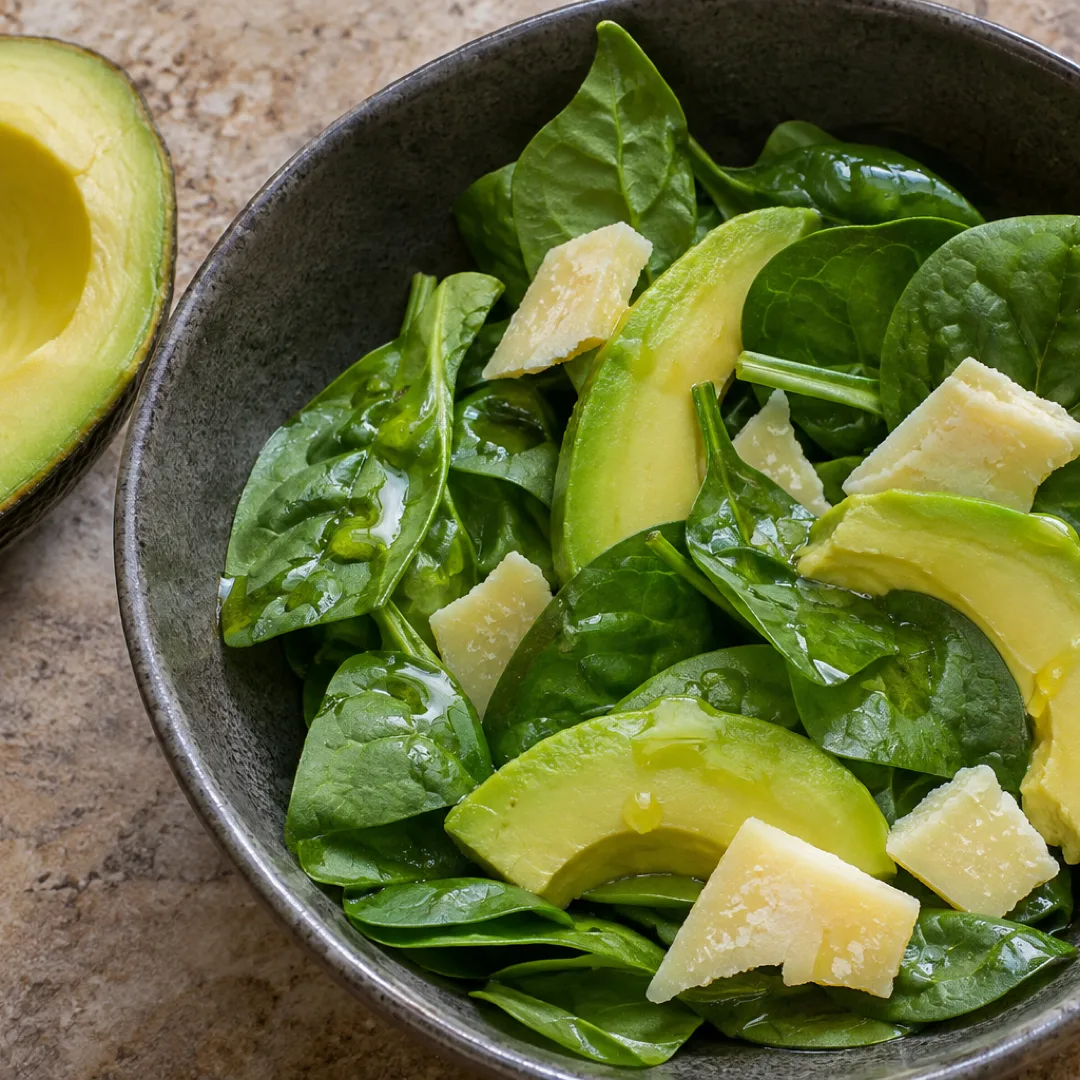
Vitamin K is not a single compound. It is a family of related substances, and the two forms most often discussed in nutrition are phylloquinone (often called K1) and a group called menaquinones (often called K2). Fat-soluble simply means the vitamin dissolves in fat rather than water, so the body tends to absorb it better when a meal includes some dietary fat.
According to the NIH Office of Dietary Supplements, vitamin K is needed for the body to make functional versions of several proteins, and it plays a well-known role in blood clotting. Researchers have also been interested in its connection to bone metabolism, which is the ongoing process of old bone being broken down and new bone being built. One of the proteins studied in this area is osteocalcin, a protein made by bone-building cells that depends on vitamin K to become fully active.
Here is the honest caveat. The evidence on whether getting more vitamin K changes fracture risk is mixed, and results from studies vary depending on the population, the form of the vitamin, and how the research was designed. So it is reasonable to see vitamin K as one piece of bone nutrition, not a stand-alone answer.
Where Vitamin K Shows Up in Food
The two main forms tend to come from different places, which is useful when you are looking at your own eating habits.
Common sources of K1
Phylloquinone is found mostly in plant foods, especially leafy green vegetables. MedlinePlus and the NIH Office of Dietary Supplements both point to greens as leading sources. Examples include:
- Kale, collard greens, and turnip greens
- Spinach and mustard greens
- Broccoli and Brussels sprouts
- Cabbage and some lettuces
- Certain vegetable oils, such as soybean and canola oil
Common sources of K2
Menaquinones are found in some fermented and animal-based foods, and some are also produced by bacteria. Foods commonly mentioned include natto (a traditional Japanese fermented soybean dish), certain aged cheeses, egg yolks, and some meats. The amount can differ widely between products, brands, and preparation methods, so general lists are only a rough guide.
Why a little fat helps
Because vitamin K dissolves in fat, a salad with an olive-oil dressing or sautéed greens may allow better absorption than plain steamed greens eaten on their own. This is a general nutrition principle, not a precise rule, and absorption differs from person to person. Cooking changes some nutrients, but vitamin K is generally considered fairly stable with ordinary cooking.
Situations Where Vitamin K Intake Becomes Relevant
For many healthy adults, a varied diet that includes vegetables already supplies vitamin K. Still, there are situations where people pay closer attention to it.
Bone health concerns. People who have been told they have low bone density, or who have risk factors such as a family history of fractures, often ask whether specific foods can help. A clinician can look at the whole picture, including calcium, vitamin D, medications, hormones, and activity level, rather than focusing on one vitamin.
Blood-thinning medication. This is the most important caution in the whole topic. According to the NIH Office of Dietary Supplements, vitamin K can interact with warfarin, a commonly prescribed anticoagulant (a medicine that slows blood clotting). Doctors and dietitians generally emphasize consistency in vitamin K intake for people on this medicine, rather than avoiding healthy foods. Anyone taking warfarin or another blood thinner should talk with their prescriber or pharmacist before changing how many leafy greens they eat or before using any supplement.
Limited diets or absorption problems. Some digestive conditions, certain surgeries, and very restricted eating patterns may affect how well fat-soluble vitamins are absorbed. Long-term use of some medications can also matter. If any of this applies to you, a healthcare professional can help figure out what is appropriate.
Newborns. Healthcare systems commonly address vitamin K for newborns through standard medical care. This is a decision made with a pediatric team, not something to manage through food.
Commonly Confused Concepts
Vitamin K gets mixed up with several other nutrients and ideas. Sorting them out makes the topic much clearer.
Vitamin K versus calcium
Calcium is a mineral and a main building material of bone. Vitamin K is a vitamin that helps activate proteins that work with minerals in the body. Think of calcium as the bricks on a construction site and vitamin K as one of the workers who helps put certain pieces in the right place. The analogy is simplified, and the body is far more complicated, but it shows why one does not replace the other.
Vitamin K versus vitamin D
Vitamin D supports the body's ability to absorb calcium from food. Vitamin K works on a different pathway. Both are fat-soluble, which is one reason they get discussed together, but they are separate nutrients with separate roles. Some products combine them, and whether that is appropriate for you is a question for a pharmacist or doctor.
K1 versus K2
People sometimes assume K2 is automatically better for bones because it is talked about so often in wellness circles. Research on how the different forms compare is still developing, and public health agencies have not established that one form is clearly superior for bone outcomes. Foods rich in either form can be part of a balanced diet.
Food versus supplements
Getting a nutrient from food is not the same as taking it in concentrated supplement form. Foods come with fiber, other vitamins, and other compounds, and the amounts are generally modest and variable. Supplements deliver a defined amount, which matters for interactions and for people with medical conditions. Whether a supplement makes sense is something to settle with a pharmacist or doctor, using the product label as a starting point.
Bone health versus a single nutrient
Bone strength is shaped by many factors: age, sex, hormones, genetics, body weight, physical activity (especially weight-bearing movement), smoking, alcohol, and overall nutrition. No single vegetable or vitamin determines the outcome.
Related reading: Calcium and Bone Health Basics: What It Actually Does
Why the Distinction Matters in Real Life
Understanding what vitamin K does, and what it does not do, helps you avoid two common traps. The first is overpromising: seeing a headline about a nutrient and assuming a bowl of kale will protect your skeleton on its own. The second is overcorrecting, such as cutting out foods or piling on supplements without understanding interactions.
Public agencies such as the NIH Office of Dietary Supplements generally describe vitamin K as a nutrient most people can obtain through varied eating, especially when vegetables are part of regular meals. That is a reassuring but non-specific message. Individual needs vary, and some people have medical reasons to be more careful.
A practical way to think about it is to see greens, certain oils, and fermented foods as ordinary parts of a varied diet, not as a targeted bone treatment. Bone health tends to reflect habits built over many years, including regular movement, adequate overall nutrition, and routine checkups where appropriate. If you have concerns about bone density, fractures, or medication interactions, bring them to a licensed healthcare professional who knows your history.
Signs worth discussing with a professional
- A fracture from a minor fall or ordinary activity
- Noticeable loss of height or a changing posture over time
- Unusual bruising or bleeding, particularly if you take blood-thinning medicine
- Major changes in your diet or the start of a new supplement while on prescription medication
- Digestive conditions that may affect nutrient absorption
Two Decisions That Look Different Once You Know This
First, you can treat vitamin K foods as one useful ingredient in a broader bone-supporting lifestyle, not as a shortcut. That means paying attention to calcium and vitamin D sources, staying active, and not expecting any single food to carry the load. It also means being cautious about marketing that suggests otherwise.
Second, you can decide when to ask for personal guidance before changing your eating or supplement habits. If you take a blood thinner, have a condition that affects absorption, or have been advised about bone density, a conversation with your prescriber, pharmacist, or a registered dietitian is a better next step than guessing. For everyone else, enjoying a variety of vegetables with a bit of healthy fat is a simple, widely accepted way to include vitamin K foods and support general bone health.
Frequently asked questions
Do I need to eat leafy greens every day for bone health?
Not necessarily, because bone health depends on many factors beyond one food group, including calcium, vitamin D, activity, and genetics. A varied diet that regularly includes vegetables is generally how most people obtain vitamin K. If you take a blood thinner such as warfarin, ask your prescriber or pharmacist about keeping your intake consistent.
Is K2 from natto better for bones than K1 from greens?
If you are comparing them, the research on how the forms differ for bone outcomes is still developing, and public health agencies have not named one as clearly superior. Both forms come from real foods that can fit into a balanced diet. Natto also has a strong taste and texture, and its vitamin K content may matter for anyone on anticoagulant medicine.
Can I get enough vitamin K without a supplement?
If your diet includes a range of vegetables and some vegetable oils, you may already be getting vitamin K from food, since leafy greens are among the leading sources noted by the NIH Office of Dietary Supplements. Needs differ with health conditions and medications. A pharmacist or doctor can advise whether a supplement is appropriate for you.
Does cooking greens destroy their vitamin K?
Vitamin K is generally considered fairly stable under ordinary cooking, so cooked greens can still contribute. Because it dissolves in fat, pairing greens with a little oil may help absorption. Exact amounts depend on the vegetable and how it is prepared.
Disclaimer: This article is for informational purposes only and is not a substitute for professional medical advice, diagnosis, or treatment. Please consult a licensed professional for personal health decisions.