Restless Sleep Causes and Simple Fixes That Make Sense
Restless sleep usually comes from a mix of an overactive stress response, a bedroom or evening routine that keeps the body alert, and sometimes an underlying health issue. You may recognize the pattern: you fall asleep, but you toss, wake in the small hours, and get up feeling like you never really rested. The reasons are often easier to understand once you see how one thing leads to the next, so this piece walks down the chain from what you notice to why it happens, and why it looks different from person to person.
What Restless Sleep Looks Like From the Outside
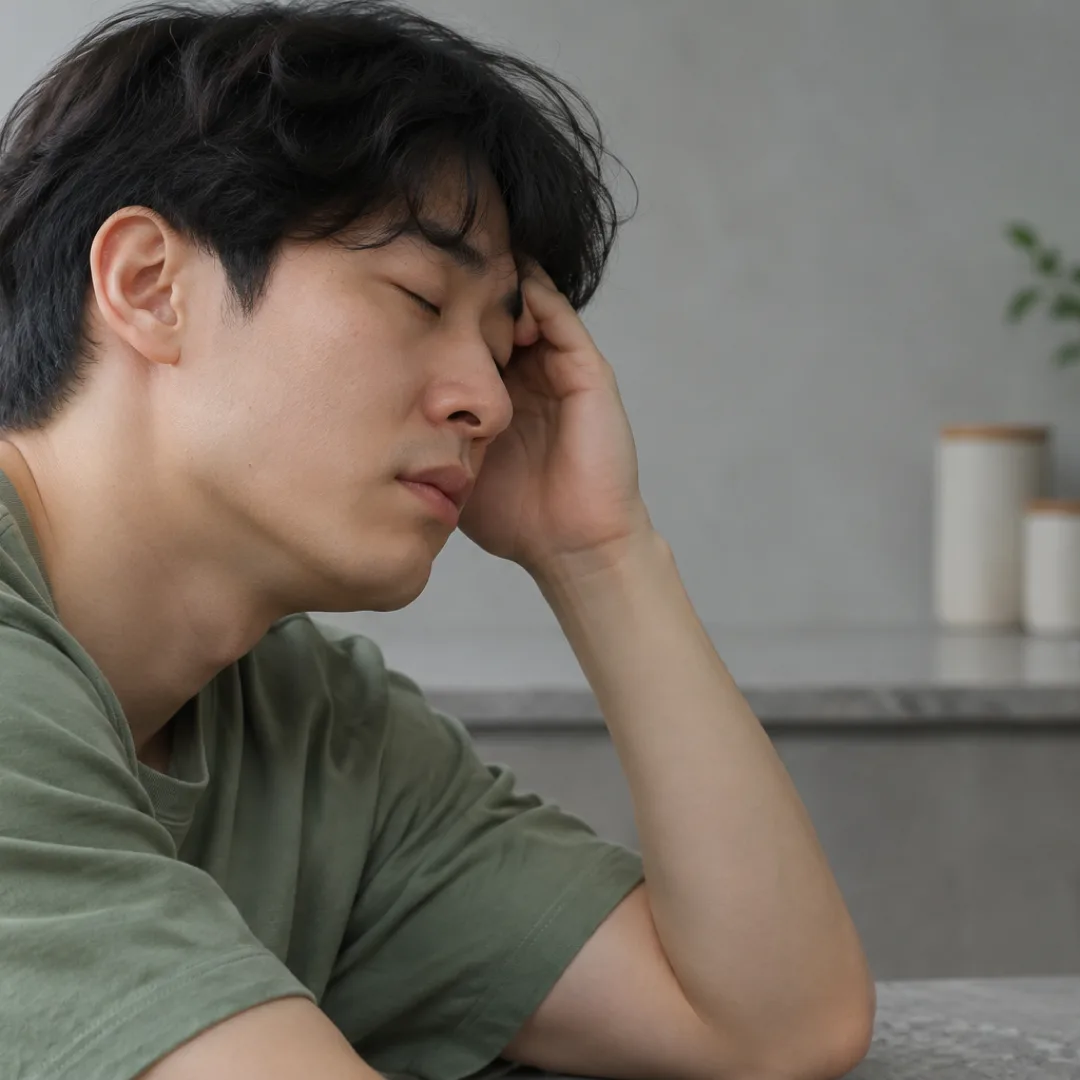
People describe it in different ways. Some say they spend the night rolling around and rearranging pillows. Others fall asleep quickly but surface again and again, or wake too early and cannot drift back down. A partner might notice kicking, twitching, or loud breathing that the sleeper never remembers.
Common signs include:
- Frequent position changes or the sense of never settling
- Waking several times, sometimes with a racing mind
- Vivid or unsettling dreams that seem to interrupt rest
- Morning grogginess even after a full night in bed
- Daytime fatigue, irritability, or trouble concentrating
None of these alone points to a specific condition. They are simply the visible end of a longer chain, and the next sections follow that chain backward.
The First-Level Causes Behind a Restless Night
Most everyday restless sleep traces back to a handful of familiar triggers. Health agencies such as the National Institutes of Health and the CDC describe sleep as shaped by habits, environment, and health, which is a useful way to sort the causes.
Stress and a busy mind
Worry, deadlines, and unresolved conversations tend to follow people into bed. When the mind treats the evening as a time to problem-solve, the body often stays in a lighter, more easily disrupted state of sleep.
Evening habits
Caffeine late in the day, alcohol near bedtime, heavy late meals, and bright screens are commonly linked with lighter, more fragmented sleep. Alcohol is a good example of a trap: it can make people feel drowsy at first, yet it is widely noted to disturb sleep later in the night.
The bedroom itself
A room that is too warm, too bright, or too noisy can nudge a sleeper toward waking. An uncomfortable mattress or pillow can add to the tossing, especially if it leaves pressure on the hips or shoulders.
Irregular schedules
Shifting bedtimes, weekend sleep-ins, and long late-day naps can blur the body's sense of when night begins. The result is often sleep that feels shallow and poorly timed.
Health-related contributors
Breathing problems during sleep, restless legs sensations, pain, reflux, hormonal shifts, and some medications can all disrupt rest. Mood conditions such as anxiety and depression are also commonly connected with disturbed sleep. These need a professional's input rather than home guesswork.
How the Mechanism Works Underneath
The causes above feed into a few shared body systems. Seeing the sequence helps explain why a single late coffee or a stressful afternoon can ripple through the whole night.
- Arousal stays switched on. Stress and stimulants keep the body's alert system active, so heart rate and muscle tension stay higher than they would in calm rest.
- Sleep stays lighter. When the body is still partly on guard, it tends to spend more time in lighter stages, where small sounds or movements are more likely to cause waking.
- Cycles get interrupted. Sleep moves through repeating stages through the night. Frequent small awakenings break those cycles, so the deeper, more restorative parts are cut short.
- The body clock drifts. Irregular timing and evening light can shift the internal clock, so the urge to sleep and the drive to stay awake no longer line up neatly.
- Tiredness feeds worry. A poor night leaves you fatigued, and fatigue often raises stress the next day, which sets up the next restless night.
In plain terms: stimulation or stress leads to lighter sleep, lighter sleep leads to more waking, and more waking leads to tiredness that fuels the cycle again. It is less a single fault than a loop.
Temperature and the wind-down
The body generally cools slightly as it heads into sleep. A warm room or heavy bedding can work against that pattern, which is one reason overheating is a frequent theme in sleep guidance from public health sources.
Breathing and movement
Some restlessness is physical rather than mental. Interrupted breathing can cause brief arousals the sleeper does not remember, and leg sensations can create an urge to move that pulls the person out of sleep. In these cases the mechanism is not stress at all, which is why habit changes alone may not be enough.
Why It Shows Up Differently From Person to Person
Two people can share the same evening habits and have very different nights. Sleep needs, sensitivity to caffeine, natural chronotype (being a morning or night person), age, hormones, and health history all vary. Some people process caffeine slowly and feel it hours later, while others seem unaffected.
Life stage matters too. Sleep commonly changes with age, and pregnancy, perimenopause, and menopause are often associated with more disrupted nights. Medications, including some used for mood, blood pressure, or allergies, can affect sleep in ways that differ from person to person, so anyone with concerns should talk with a pharmacist or prescriber before changing anything.
Context plays a part as well. A new baby, a shared bed with a restless partner, a pet, shift work, or a noisy street can each add their own layer. That is why general tips work for some and not others, and why it helps to match the likely cause to the fix instead of trying everything at once.
Simple Adjustments People Commonly Try
Public health sources such as the CDC and the NIH describe a set of general sleep habits, often called sleep hygiene, that many people find helpful. They are not guaranteed to resolve restlessness, and results vary, but they target the mechanisms described above.
- A steady schedule: Keeping similar sleep and wake times can help the body clock stay anchored.
- A calmer wind-down: Quiet activities such as reading, gentle stretching, or dim lighting may help the alert system settle.
- A cooler, darker, quieter room: This supports the natural drop in body temperature and reduces outside triggers.
- Thoughtful timing of caffeine and alcohol: Many people notice a difference when these are kept away from the evening hours.
- Moving during the day: Regular physical activity is often associated with better sleep, though vigorous exercise very close to bedtime bothers some people.
- Getting daylight: Natural light earlier in the day can help reinforce the sleep-wake rhythm.
If you are considering sleep aids, supplements, or over-the-counter products, ask a pharmacist or doctor first. Reactions and interactions differ from person to person, and the right choice depends on your health and any medicines you already use.
When Restless Sleep Deserves a Professional Look
Occasional rough nights are common and often tied to a stressful stretch. It is worth speaking with a healthcare professional when restlessness is persistent or comes with other signs, such as:
- Loud snoring, gasping, or pauses in breathing noticed by someone else
- Strong urges to move the legs in the evening
- Heavy daytime sleepiness that affects driving or work
- Ongoing low mood, anxiety, or racing thoughts
- Chest discomfort, pain, or reflux that wakes you
- Sleep problems that last for weeks despite steady habit changes
A clinician can ask about your history, review medications, and decide whether any testing makes sense. That kind of assessment is something only a qualified professional can do.
Two Things Worth Avoiding Once You Know the Loop
Knowing how the cycle works points to two habits that tend to keep it going.
First, avoid fighting for sleep in bed. Lying there watching the clock and pushing harder to fall asleep keeps the alert system running, which is the opposite of what the body needs. Many sleep resources suggest stepping out of bed for something quiet and calm until drowsiness returns, then going back.
Second, avoid leaning on alcohol or random sleep aids as a shortcut for restless sleep. They can seem to help at first, yet they may fragment sleep or mask a cause that deserves attention. If nights stay unsettled, a conversation with a pharmacist or doctor is a better next step than guesswork.
Disclaimer: This article is for informational purposes only and is not a substitute for professional medical advice, diagnosis, or treatment. Please consult a licensed professional for personal health decisions.