Dark Circles Under Eyes: Causes and Care Explained
Dark circles under eyes usually come from a mix of thin skin, visible blood vessels, natural pigment, and shadows cast by the shape of the face, and the right care depends on which of these is doing most of the work. Picture the skin beneath your lower lashes: it is among the thinnest on the body, and light passes through it differently than it does through your cheek. That is why a tint that would go unnoticed elsewhere can show up here, and why the causes and care for under-eye darkness are rarely the same from one person to the next.
What Is Happening in the Skin Under Your Eyes
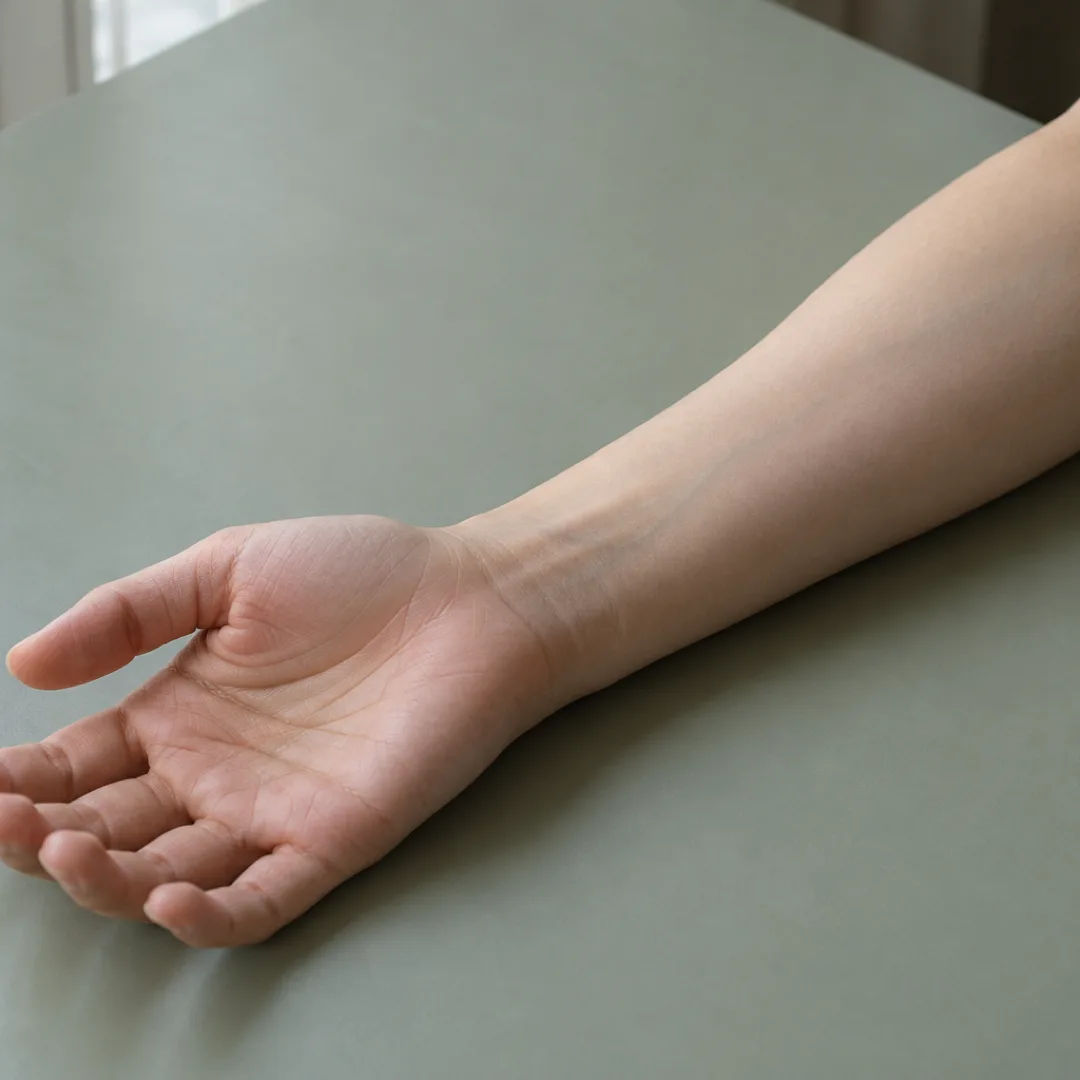
The skin of the lower eyelid is very fine and sits over a small layer of fat and the orbicularis oculi, the ring-shaped muscle that lets you blink and squint. Beneath that muscle runs a network of tiny blood vessels, or capillaries. Because the skin above is so thin, the bluish-purple color of blood in those vessels can show through, much like veins on the inside of a wrist.
Skin also contains melanocytes, the cells that make melanin, which is the pigment that gives skin its color. In some people these cells make more pigment around the eyes, a pattern often called periorbital hyperpigmentation. In plain terms, the area is simply a deeper shade than the surrounding skin, and no amount of rest changes that baseline.
Then there is structure. Under the eye sits a groove sometimes called the tear trough, where the lower lid meets the cheek. If that groove is deep, or if fat shifts and volume drops with age, a shadow forms there. This is a trick of light and contour rather than a change in skin color, which is part of why it can look darker in overhead lighting and softer in a flattering angle.
The Factors That Contribute
Several things can overlap. Understanding each one helps explain why a single product or habit rarely fixes everything.
Genetics and natural skin tone
Under-eye darkness often runs in families. People with deeper natural skin tones are generally more likely to notice pigment-related darkening, while people with fair, thin skin may notice a bluish or purplish cast from vessels showing through. Either way, if close relatives have similar circles from a young age, heredity is a reasonable suspect.
Sleep, fatigue, and fluid
Poor sleep does not create dark circles from nothing, but it can make them look worse. When you are tired, skin may look paler, which can make existing shadows and vessels stand out more. Fluid can also pool under the eyes overnight, producing puffiness that casts its own shadow. Sleep needs vary from person to person, and many people feel more rested on a steady schedule.
Allergies, rubbing, and irritation
Seasonal allergies and nasal congestion can swell the small veins around the eyes and lead to a darker look, sometimes nicknamed "allergic shiners." Repeated rubbing adds to the problem, because friction and inflammation can trigger extra pigment production. This is called post-inflammatory hyperpigmentation, which simply means the skin darkened in response to irritation.
Sun exposure
Ultraviolet light stimulates melanocytes. Because the eye area is delicate and often overlooked during sun protection, repeated exposure over the years may deepen existing pigment. According to the American Academy of Dermatology's general guidance, sun protection is a routine part of caring for skin overall, including the face.
Aging and volume loss
With time, skin thins further, collagen declines, and the fat pads and bone structure around the eyes change. The tear trough can look hollower, and shadows become more noticeable. This is a gradual shift in facial contour rather than a sign that something is wrong.
When the Balance Tips: Conditions That Make Circles More Noticeable
Most people have some degree of under-eye shadowing, and it is usually a cosmetic concern rather than a medical one. The balance tips toward "more noticeable" when several contributing factors stack up at once: thin skin, a family tendency toward pigment, a stuffy allergy season, a few short nights, and a deep tear trough can all combine.
Lifestyle factors can nudge things further. Dehydration may make skin look duller, and some people report that high-salt meals or alcohol seem to go along with more puffiness the next morning. Smoking is generally associated with changes in skin quality over time. These links vary by person, and none of them is a guaranteed cause.
Certain health conditions can also play a role. According to MedlinePlus general guidance, dark circles are often harmless, but they may sometimes be linked to things like allergies, eczema, or other underlying issues. Some medicines can affect skin color or fluid retention as well. If you suspect a medicine is involved, a pharmacist or doctor is the right person to ask rather than stopping anything on your own.
Telling the Types Apart at Home
Dermatology sources commonly describe a few broad patterns, though real faces often show a blend. These are observations, not a diagnosis.
- Bluish or purplish tone: often associated with thin skin and visible vessels beneath it.
- Brown tone: often associated with extra pigment in the skin itself.
- Shadowed or hollow look: often associated with the contour of the tear trough, which tends to change with the angle of light.
Some people use a simple observation: gently stretching the skin or changing the lighting and noticing whether the darkness changes. If the shade moves or fades with the angle of light, shadow is likely a larger part of the picture. If it stays the same, pigment may be the bigger contributor. This is only a rough guide, and a dermatologist can give a more reliable read.
How the Skin Settles: What Care Looks Like Over Time
Because the causes differ, "recovery" here means gradual improvement or better management rather than a reset. Some circles lighten when the trigger is addressed. Others are part of a person's natural makeup and may soften only modestly.
Everyday habits that are commonly discussed
Dermatology organizations commonly point to steady basics. These include regular sleep habits, sun protection around the eyes, and avoiding repeated rubbing. Many people find that managing seasonal allergies with their clinician's guidance reduces the irritation that can darken the area. A cool compress is often mentioned as a comfortable way to ease puffiness, though effects tend to be temporary.
Gentle skin care also matters. Harsh products near the eyes can cause irritation, and irritation can feed pigment changes. If a product stings, burns, or causes redness, that is a reason to pause and ask a pharmacist or dermatologist rather than push through. Reactions vary from person to person.
Cosmetic products and ingredients
Many over-the-counter eye products list ingredients such as vitamin C, retinol, caffeine, or niacinamide. These are often used with the aim of supporting a brighter or smoother look over time. Results vary, and they tend to be gradual rather than immediate. Because the eye area is sensitive, it is sensible to talk with a pharmacist or dermatologist before choosing a product, especially if you have sensitive skin, eczema, are pregnant, or are using other active ingredients. Product directions and professional advice should guide how any item is used.
Concealer and color-correcting makeup are also widely used for the day-to-day look. They do not change the skin itself, but they are a low-commitment option for many people.
Professional options
When circles bother someone enough, dermatologists and other qualified clinicians may discuss in-office approaches. These can include prescription-strength topical products, chemical peels, light- or laser-based treatments for pigment, or filler and other contouring approaches for hollowness. Which option, if any, fits depends on the type of darkness, skin tone, and health history. Each carries its own risks and limits, and outcomes differ between people, so a consultation is the place to talk through expectations, downsides, and alternatives. These are procedures delivered by licensed professionals, not something to attempt at home.
Signs That Deserve a Professional Look
Most under-eye darkness is not a medical concern. Still, it is worth seeking qualified care if something changes or does not fit the usual pattern.
- Darkness that appears suddenly or worsens quickly, especially on one side only.
- Swelling, pain, redness, or warmth around the eye.
- Changes in vision, or eye discomfort that does not settle.
- Persistent puffiness along with fatigue, swelling elsewhere, or other symptoms that concern you.
- A dark patch that changes shape or color, or that looks different from other areas of skin.
- Skin that becomes itchy, scaly, or inflamed, which may point toward eczema or an allergic reaction.
A primary care clinician, dermatologist, or eye specialist can help sort out whether the cause is cosmetic or something that needs attention. If you are unsure, asking is reasonable.
Common Myths Worth Setting Aside
A few ideas circulate widely and are worth treating cautiously. One is that dark circles always mean you are not sleeping enough. Sleep can influence how they look, but many well-rested people have them because of anatomy or pigment. Another is that a single home remedy will make them disappear. Things like cucumber slices or tea bags are popular, but they are better thought of as soothing routines than reliable fixes.
It is also easy to assume that dark circles signal a serious illness. They are usually harmless, though the exceptions above are worth knowing. Finally, expecting overnight change tends to lead to frustration. Skin changes gradually, and some shades are simply part of a person's features.
Bringing It Together
Dark circles under eyes are best understood as the visible result of thin skin, blood vessels, pigment, and facial contour interacting, which is why causes and care differ so much between people. Here are the main principles in three lines:
- The under-eye skin is so thin that vessels, pigment, and shadows show through more easily than elsewhere on the face.
- Sleep, allergies, rubbing, sun, and aging can each make the look stronger, and several often overlap.
- Care tends to work gradually by reducing triggers and protecting the skin, and results vary from person to person.
One important exception: this logic about everyday triggers does not hold when darkness is sudden, one-sided, painful, or paired with swelling or vision changes. In those situations, lifestyle adjustments and cosmetic products are not the right focus, and a qualified clinician should evaluate the cause.
Disclaimer: This article is for informational purposes only and is not a substitute for professional medical advice, diagnosis, or treatment. Please consult a licensed professional for personal health decisions.