Fermented Foods Benefits and Cautions: What to Know
You are standing in the grocery aisle holding a jar of kimchi, a tub of yogurt, and a bottle of kombucha, wondering whether these foods are really worth the hype or whether some of them could cause trouble. Fermented foods can be a flavorful part of a varied diet and may support digestive comfort for some people, but they are not a cure-all, and a few groups of people need to be careful. Reactions differ a lot from person to person, so the useful question is less "are they good?" and more "do they suit me?"
What exactly counts as a fermented food?
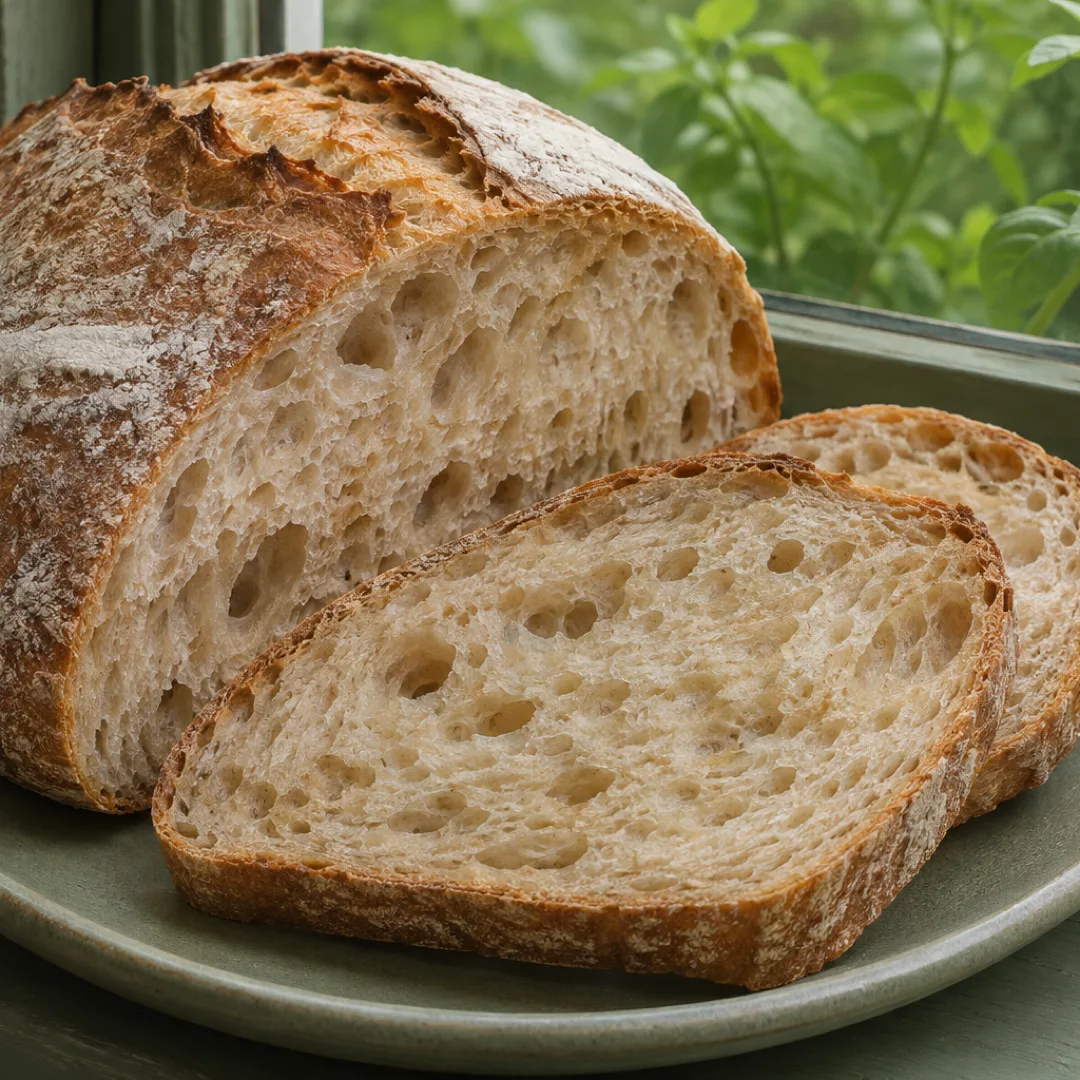
A fermented food is one made with the help of microbes such as bacteria or yeasts that change the food's sugars and other components. Yogurt, kefir, sauerkraut, kimchi, miso, tempeh, and some pickles are common examples. Sourdough bread, many cheeses, and drinks like kombucha also belong to the broader family.
Fermentation has been used for a very long time, often to preserve food and to build tangy, savory, or sour flavors. Many cuisines treat these foods as everyday staples rather than special health products. That cultural context is a helpful reminder that they are, first of all, food.
Fermented does not always mean "contains live cultures"
This is where labels matter. Some products are heat-treated, pasteurized, or otherwise processed after fermenting, which can reduce or remove live microbes. Shelf-stable pickles, many canned sauerkrauts, and some bottled products fall into this category, and plenty of pickles are made with vinegar rather than fermentation at all.
If live cultures matter to you, the label wording, such as "live and active cultures," and the storage instructions (refrigerated or not) are usually the clues. Even then, labels do not tell you which microbes are present or whether they will do anything specific for your body.
Fermented foods and probiotic supplements are not the same thing
People often blur the two. A probiotic supplement is a concentrated product with specific strains, while a fermented food is a whole food that may or may not contain live microbes. According to the National Institutes of Health (NIH), including its National Center for Complementary and Integrative Health, research on probiotics is still developing, and effects depend on the strain and the person.
If you are considering a supplement rather than food, that is a conversation for a pharmacist or doctor, especially if you have a health condition or take medicines.
What are the possible benefits of eating fermented foods?
Many people include fermented foods because they add variety, flavor, and texture, and some research suggests they may support digestive comfort and a diverse gut environment. The evidence is still evolving, and results from studies are not uniform. It is fair to say they can be part of a balanced eating pattern, not a shortcut to better health.
Here are the benefits most often discussed, along with honest limits.
- Digestive comfort for some people. Some individuals who find milk hard to digest tolerate yogurt or kefir better than plain milk, partly because fermentation changes lactose. This varies, and others still react.
- Dietary variety. Adding foods like miso, tempeh, or kimchi can make vegetable- and legume-rich meals more interesting, which may help people stick with them.
- Nutrients from the base food. Yogurt and kefir can contribute protein and calcium, and fermented soy foods can contribute plant protein. These come from the underlying ingredients, not from fermentation alone.
- Possible gut microbiome support. Some studies have explored links between fermented foods and the gut microbiome. Researchers generally describe this area as promising but not settled, and it is not a basis for expecting a particular result.
It also helps to separate what a food contains from what it does. A jar of sauerkraut may hold live microbes, but whether those microbes survive digestion and make a meaningful difference in any one person is hard to predict.
Where the hype goes too far
Claims that fermented foods fix mood, immunity, skin, or weight on their own go beyond what the evidence supports. The U.S. Food and Drug Administration (FDA) has rules about how foods can be described, and a food is not supposed to be marketed as treating or preventing disease. If a product page promises dramatic results, treat that as a reason for more skepticism, not less.
A steadier way to look at it: fermented foods may be one helpful piece of an overall diet that also includes fiber-rich plants, whole grains, and enough fluids. Sleep, activity, and medical care matter just as much.
Who should be careful with fermented foods, and why?
People with weakened immune systems, certain digestive conditions, histamine sensitivity, or salt restrictions are among those who are commonly advised to check with a clinician first. Fermented foods are fine for many people, but the same features that make them interesting, such as live microbes, strong flavors, and salt, can cause problems for others. If you fall into one of these groups, it is worth asking before making them a regular habit.
Weakened immune systems and serious illness
Live microbes in food or supplements are generally a point of caution for people whose immune systems are significantly weakened, for example during some cancer treatments or after transplant. According to the NIH, the safety of probiotics in people who are seriously ill or immunocompromised is a concern that deserves medical guidance. A care team can say whether live-culture foods fit your situation.
The same applies to people recovering from major surgery or with very fragile health. Do not guess here; ask.
Digestive symptoms, bloating, and sensitive stomachs
Some people notice gas, bloating, or loose stools when they add fermented foods, particularly if they suddenly eat a lot. That does not necessarily mean something is wrong, but it does suggest the body may need a gentler pace. Those with irritable bowel symptoms or other ongoing digestive conditions often react differently from one another, so a dietitian or doctor can help sort out what suits you.
Persistent pain, blood in the stool, unexplained weight loss, or symptoms that keep getting worse are not things to troubleshoot with diet alone. Those are reasons to seek medical care.
Histamine, tyramine, and medication interactions
Aged and fermented foods, including some cheeses, cured items, and fermented soy products, can contain compounds such as histamine and tyramine. Some people are sensitive to histamine and may notice headaches, flushing, or itching after certain foods. Tyramine is also a recognized concern for people taking certain older antidepressant medicines known as MAOIs, so anyone on those medicines is typically advised to follow their prescriber's and pharmacist's food guidance.
If you take any prescription medicine and plan a big change in what you eat, mentioning it to a pharmacist is a simple, low-effort step.
Salt, alcohol, sugar, and pregnancy
Many fermented foods, such as kimchi, miso, soy sauce, and pickles, can be high in sodium. Eating less sodium is a common goal for people managing blood pressure, so anyone on a salt-restricted plan may want to check food labels and ask their care team what suits them.
Some fermented drinks, including kombucha, contain small amounts of alcohol and may also contain added sugar or caffeine, depending on the product. During pregnancy, unpasteurized or raw-milk products can carry food-safety risks, and the FDA and CDC both offer general guidance on avoiding certain high-risk foods. A prenatal care provider can explain what applies to you.
Food safety with homemade ferments
Home fermenting is popular, but it comes with its own cautions. Contamination, mold, or off smells can signal that a batch is not safe to eat, and general food-safety rules still apply. For anything beyond very simple recipes, relying on established guidance, such as that from the U.S. Department of Agriculture (USDA) and university extension services, is a sensible habit.
If a ferment looks, smells, or tastes wrong, the cautious approach is generally to discard it rather than test your luck. Allergies also count: ingredients like soy, dairy, or wheat are still in the finished food.
Related reading: Iodine and Thyroid Nutrition Basics: Reading the Label
Frequently asked questions
Will pasteurized sauerkraut or pickles still have live cultures?
Usually not, if the product was heat-treated after fermenting. As covered above, pasteurization can reduce or remove live microbes, and many vinegar-based pickles are not fermented at all. If live cultures matter to you, the label wording and whether the product is sold refrigerated are the main clues.
If fermented foods make me gassy, does that mean they are not for me?
Not necessarily, but it may mean the amount or pace was too much at once. Some people notice bloating when they add these foods suddenly, and a smaller portion may be easier on the stomach. If symptoms are persistent or come with warning signs like blood in the stool or unexplained weight loss, a clinician is the right person to ask.
Can I rely on fermented foods instead of a probiotic supplement, or the other way around?
If you are weighing the two, keep in mind that they are different products: fermented foods are whole foods that may or may not contain live microbes, while supplements are concentrated products with specific strains. Research on probiotics is still developing, and effects depend on the strain and the person. A pharmacist or doctor can help you decide, particularly if you have a health condition or take medicines.
Disclaimer: This article is for informational purposes only and is not a substitute for professional medical advice, diagnosis, or treatment. Please consult a licensed professional for personal health decisions.