Green Tea Benefits and Caffeine Content: What to Know
Picture a mid-afternoon slump: someone wants something warmer and gentler than a third coffee, so they reach for green tea and then wonder whether it really offers anything extra, and whether it will keep them up tonight. Green tea is commonly enjoyed for its plant compounds and usually contains less caffeine than coffee, though the amount in a cup varies quite a bit. The details below explain what the drink is generally known for, why caffeine levels shift, and where caution makes sense.
What is green tea, and what is it generally known for?
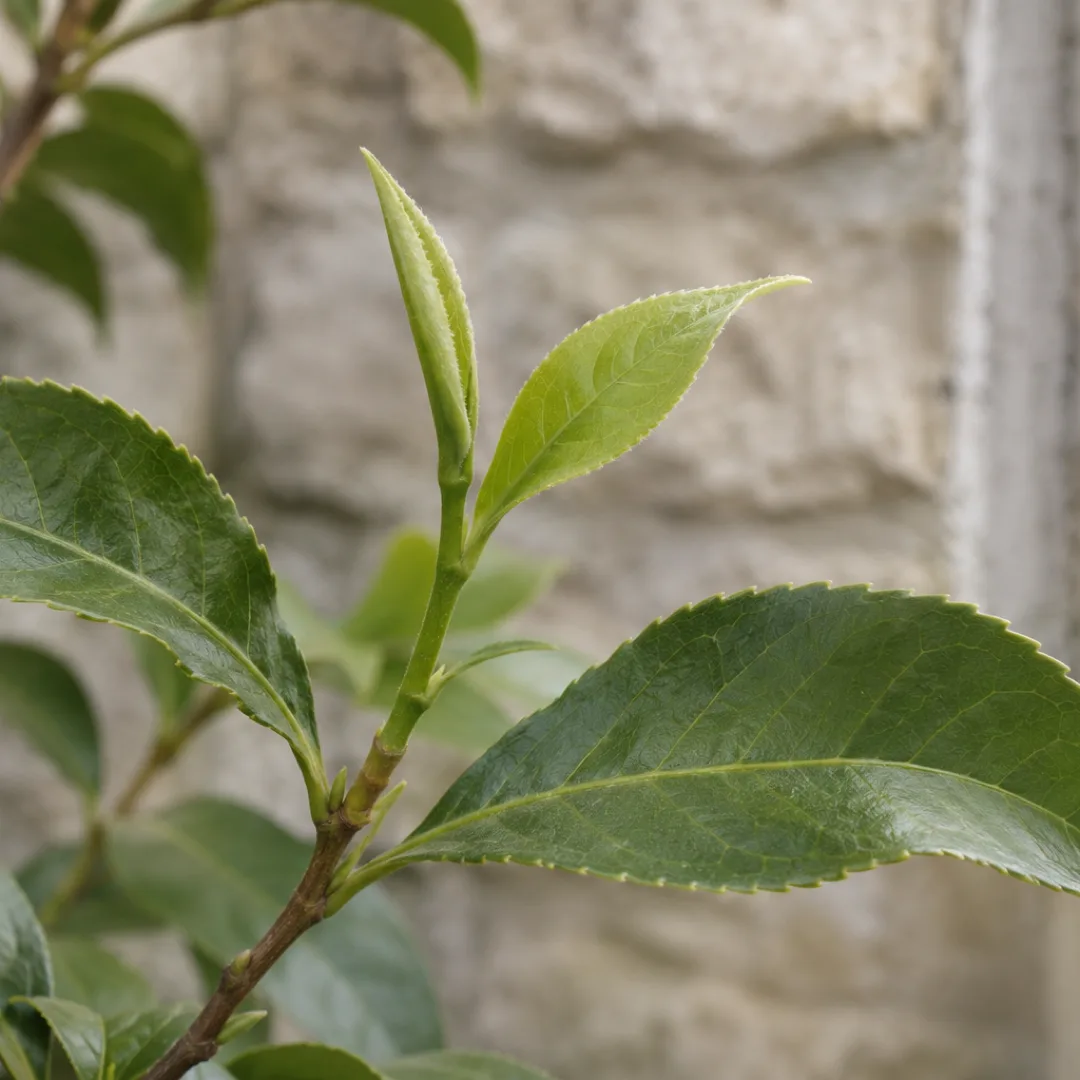
Green tea comes from the leaves of the Camellia sinensis plant, the same plant behind black and oolong tea. The difference lies in processing: green tea leaves are typically heated soon after harvest, which limits oxidation and helps preserve a lighter color and a fresher, grassier taste.
The drink is best known for plant compounds called polyphenols, including a group often called catechins. Green tea also contains an amino acid called L-theanine, along with small amounts of other substances. According to the National Institutes of Health (NIH) and its National Center for Complementary and Integrative Health, research on tea compounds is ongoing, and findings on health outcomes have been mixed or limited in many areas.
So what do people usually say they enjoy about it? Mostly the ritual, the flavor, and the fact that it can be a hydrating, low-calorie alternative to sweetened drinks when served plain. Those are lifestyle perks rather than medical effects, and they depend on what you would otherwise be drinking.
What may green tea support?
Some studies have explored whether regular tea drinking is linked with heart health, mental alertness, or weight management. Results have not been consistent, and many of these studies are observational, meaning they can show a pattern but cannot prove that tea caused the difference. Tea drinkers may also differ from non-drinkers in diet, activity, and other habits.
For that reason, it is more accurate to say green tea may support a balanced routine than to say it fixes or prevents any condition. It is a food-type beverage, not a treatment, and it is not a replacement for medical care.
Where do supplements fit in?
Green tea extract products, such as capsules and powders, are a different matter from a brewed cup. According to the U.S. Food and Drug Administration (FDA) and NIH general guidance, concentrated extracts can deliver much larger amounts of certain compounds than tea does, and there have been reports of liver problems linked to some concentrated products. Anyone considering an extract should talk with a pharmacist or doctor first, especially if they take medicines or have liver concerns.
How much caffeine is in green tea compared with coffee?
A typical cup of green tea contains caffeine, but generally less than a typical cup of brewed coffee. The U.S. Food and Drug Administration notes in its general consumer information that caffeine content differs widely across beverages, and that sensitivity differs from person to person.
Why can't anyone give you one fixed figure? Because several things change what ends up in your mug. Understanding these factors is more useful than memorizing a single number.
- Leaf type and grade: Younger leaves and buds, and different tea varieties, can contain different caffeine amounts. Some Japanese teas, for example, are grown and processed in ways that change their profile.
- Steeping time: A longer steep generally pulls more caffeine into the cup, and it often adds bitterness too.
- Water temperature: Hotter water tends to extract more from the leaves than cooler water.
- Amount of leaf: Using more tea per cup usually means more caffeine.
- Form of tea: Matcha, where the whole powdered leaf is consumed, often delivers more caffeine per serving than a standard steeped bag, since you are drinking the leaf itself.
- Bottled and ready-to-drink versions: These vary by brand, and labels do not always list caffeine, so checking the manufacturer's information helps.
Is the caffeine in green tea different from the caffeine in coffee?
Chemically, it is the same molecule. What differs is the package it arrives in: green tea also contains L-theanine, and some people report that tea feels calmer or smoother than coffee. Scientists have looked at whether theanine and caffeine interact, but the evidence is not settled enough to promise any particular feeling.
Experiences vary. Some people feel noticeably wired after a cup of green tea, while others barely notice it. Body size, genetics, regular intake, and other medicines can all play a part.
What about decaffeinated green tea?
Decaffeinated does not mean caffeine-free. Decaf teas typically contain small residual amounts, and the amount depends on the product. Anyone who must strictly avoid caffeine for medical reasons should check with a clinician or pharmacist rather than assume a decaf label means none.
Who might want to be careful with green tea, and what should they watch for?
Green tea is widely consumed, but it is not a perfect fit for everyone. People who are sensitive to caffeine, pregnant or breastfeeding, managing anxiety or sleep problems, living with heart rhythm concerns, or taking certain medicines may want to speak with a healthcare professional about their intake. Mayo Clinic and FDA general caffeine guidance both emphasize that tolerance differs from person to person and that moderation matters.
The reasoning is straightforward. Caffeine can affect sleep, heart rate, and feelings of restlessness, and it can interact with some medications. Green tea also contains compounds that may affect how some drugs behave, so people on prescription medicines, including blood thinners, should ask a pharmacist or doctor whether their routine is a good match.
Could green tea affect iron absorption?
Tea contains tannins and polyphenols that can bind to iron from plant foods and reduce how much the body absorbs. This is generally discussed in the context of people with low iron or those who rely heavily on plant-based iron sources. Anyone with anemia or an iron-related concern should discuss tea timing and overall diet with a clinician or registered dietitian.
What signs suggest it is time to cut back or get advice?
Common signals that caffeine may not be agreeing with someone include trouble falling asleep, jitteriness, a racing heart, stomach upset, or headaches. These can have many causes, so they are not a diagnosis of anything. If symptoms are strong, persistent, or worrying, or if someone has chest pain, fainting, or a very irregular heartbeat, seeking medical care promptly is the safer course.
For people who simply enjoy the drink, a few low-stakes habits are often mentioned: noticing how you feel after a cup, being aware of how much caffeine you get from all sources, and paying attention to timing relative to sleep. These are general observations rather than personal prescriptions, and the right pattern differs from one person to the next.
Frequently asked questions
Does the way green tea is brewed change how it tastes and how it affects me?
Yes, brewing choices can change both flavor and what ends up in the cup. Very hot water and long steeping often make the tea taste more bitter, and they generally pull more caffeine and other compounds from the leaves. Many tea producers print suggested water temperatures and steeping times on the package, which is a reasonable starting point for taste.
Is bottled or sweetened green tea the same as freshly brewed tea?
Not necessarily. Ready-to-drink versions may contain added sugar, flavorings, or different amounts of tea solids, so their nutrition and caffeine can look quite different from a plain brewed cup. Reading the nutrition label and ingredient list is the most reliable way to compare products.
Can children and teenagers drink green tea?
Caffeine guidance for younger people is more cautious than for adults, and general guidance from health agencies such as the American Academy of Pediatrics advises limiting caffeine for children and teens. Because sensitivity and health circumstances differ, a pediatrician is the right person to ask about tea for a particular child.
Disclaimer: This article is for informational purposes only and is not a substitute for professional medical advice, diagnosis, or treatment. Please consult a licensed professional for personal health decisions.