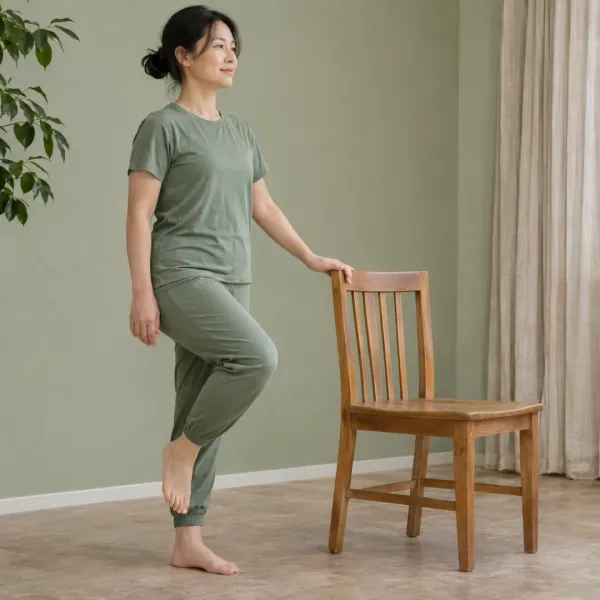
How Cold Weather Affects Joint Stiffness
How cold weather affects joint stiffness refers to the way many people notice their joints feeling tighter, achier, or slower to move when temperatures drop. This is a commonly reported experience rather than a single proven mechanism, and the reasons are likely a mix of body responses, activity changes, and how we perceive pain. Here is what is generally understood about the link, where the evidence is uncertain, how it differs from related ideas, and when stiffness deserves a professional look.
What "joint stiffness" actually means
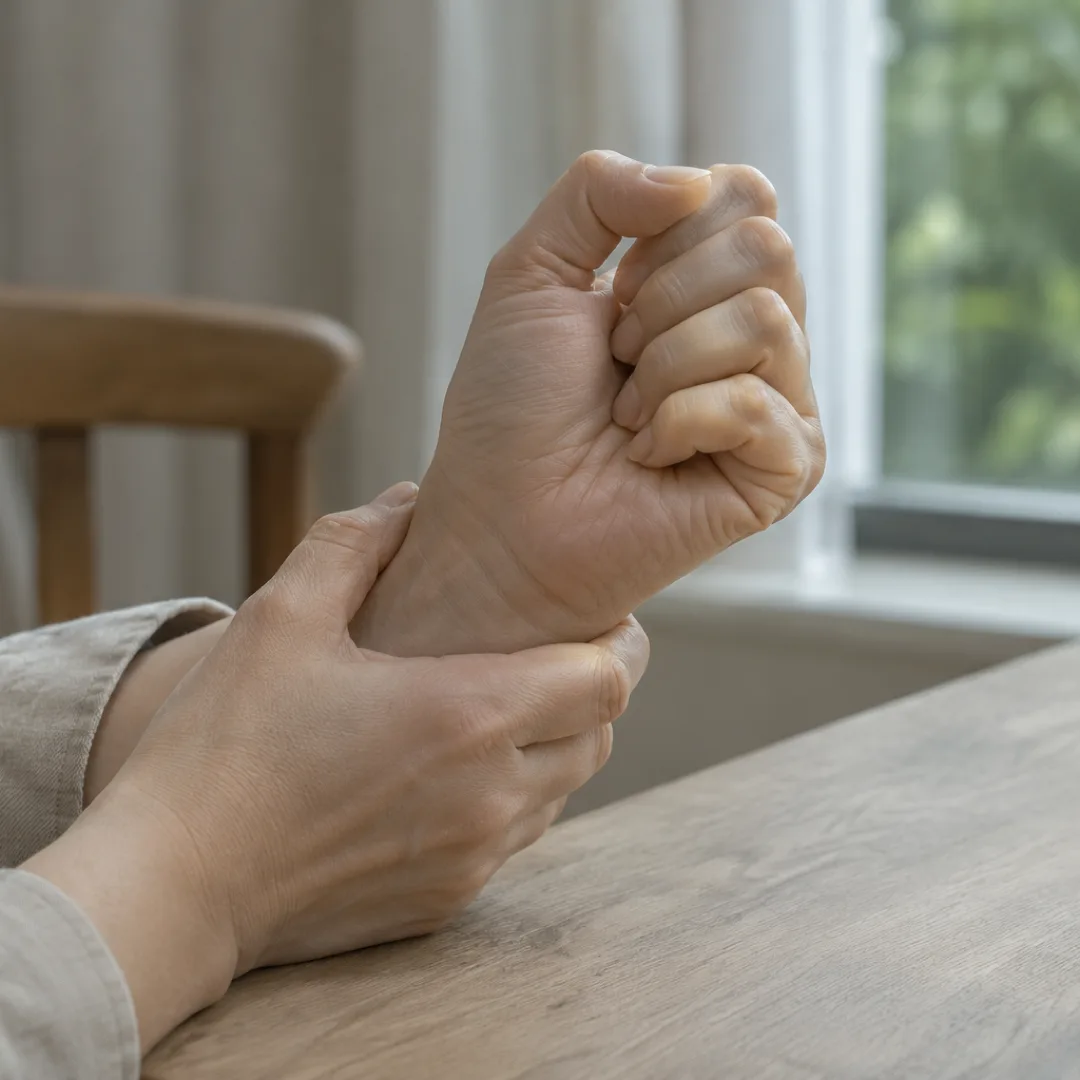
Joint stiffness is the feeling that a joint does not move as freely as usual. It often shows up as a tight, resistant sensation when you first bend a knee, curl your fingers, or get out of a chair. Stiffness is a symptom, which means it is something you feel, not a diagnosis on its own.
It helps to separate stiffness from pain, although the two often travel together. Stiffness is about reduced ease of movement, while pain is about discomfort. Someone can have one without the other, and each can vary from hour to hour.
A joint is the place where two bones meet, usually cushioned by cartilage (a smooth, flexible tissue that reduces friction) and surrounded by a capsule holding synovial fluid (a slippery lubricating liquid). Muscles, tendons, and ligaments around the joint also shape how loose or tight it feels. Because so many tissues are involved, several things can make a joint feel stiff.
Why the cold gets the blame
Plenty of people describe their joints feeling worse in chilly, damp, or rapidly changing weather. This pattern has been talked about for a very long time, and it shows up in everyday conversations about aging, arthritis, and old injuries. The experience is real for the person feeling it, even though science has not fully pinned down why.
Situations where cold weather may play a role
Researchers and health organizations have offered several possible explanations. None is considered a complete answer, and they likely overlap. Think of them as pieces of a puzzle rather than a single cause.
Muscles and soft tissue tightening
When the body is cold, muscles and surrounding tissues may feel tighter, and movement can feel less fluid. Many people notice this most in the morning or after sitting still. Warming up gradually often helps movement feel easier, which is one reason people talk about stiffness "loosening" as the day goes on.
Blood flow and the body's heat-saving response
In the cold, the body tends to prioritize keeping the core warm. Blood flow to the hands, feet, and other extremities can narrow, which may make fingers and toes feel stiff or numb. Whether this directly changes how a joint itself functions is less clear, but it may change how that area feels.
Less movement in colder months
Cold, dark, or icy conditions often mean people move less, and joints generally tend to feel better with regular, comfortable movement. Longer stretches of sitting can leave joints feeling stiffer. In some cases, the seasonal change in activity may matter as much as the temperature itself.
Changes in air pressure and humidity
Some people link their joint symptoms to shifts in barometric pressure (the weight of the air around us) or dampness. Studies on this have produced mixed results, and the research does not give a settled answer. One idea is that pressure changes may subtly affect tissues around a joint, but this remains a theory rather than an established fact.
How pain perception may shift
Cold can make nerves more sensitive to pain signals for some people. Mood, sleep, and stress also change in winter for many, and these can influence how strongly discomfort is felt. So the weather may not alter the joint much at all, while still changing how noticeable the stiffness is.
Commonly confused ideas and how they differ
Because "joint trouble" covers many experiences, a few ideas get mixed together. Sorting them out can make it easier to describe your symptoms accurately to a clinician.
Stiffness versus damage
Feeling stiffer in the cold does not necessarily mean the joint is being harmed. According to general guidance from the Arthritis Foundation and the National Institutes of Health, weather-related changes in symptoms are widely reported, but they are not generally understood to cause lasting joint damage on their own. Still, if a joint is already affected by a condition, symptoms may feel more noticeable.
Morning stiffness versus weather stiffness
Brief stiffness after waking or long sitting is common and often settles with gentle movement. Stiffness that lingers for a long time, especially with swelling or warmth, is a different pattern that is worth discussing with a healthcare professional. The weather may make either feel worse, but the underlying cause can differ.
Osteoarthritis versus inflammatory arthritis
Osteoarthritis is often described as wear-related changes in joint cartilage. Inflammatory types, such as rheumatoid arthritis, involve the immune system and tend to bring swelling and prolonged morning stiffness. Both can feel worse in cold weather for some people, but they are different conditions, and only a clinician can sort out which, if either, applies.
Cold-triggered color changes versus stiffness
Fingers or toes that turn white, blue, or very painful in the cold can reflect a circulation issue rather than ordinary joint stiffness. According to the National Institutes of Health, this kind of pattern is worth raising with a healthcare provider, since it can sometimes be linked to other health conditions.
Why this matters in everyday life
Understanding that cold-related stiffness is common, variable, and not fully explained can take some of the worry out of it. It also helps you decide what to do about it. Many people find that paying attention to patterns, such as time of day, activity level, and temperature, gives them useful information to share at an appointment.
General self-care ideas often mentioned by health organizations include staying active in comfortable ways, dressing in layers, and keeping living spaces reasonably warm. The Centers for Disease Control and Prevention notes that regular, appropriate physical activity is commonly recommended for people living with arthritis. What counts as appropriate differs a great deal from person to person, so it is sensible to ask a clinician or physical therapist what suits your situation. (Source: WHO Fact sheet: Physical activity)
If you use pain relievers, creams, or supplements, ask a pharmacist or doctor before using them.
Signs that deserve professional attention
- Joint swelling, redness, or warmth that does not settle
- Stiffness that lasts a long time each morning
- Pain that wakes you at night or steadily worsens
- Sudden loss of movement, or a joint that seems deformed or locked
- Stiffness alongside fever, unexplained fatigue, or a rash
- Fingers or toes that change color or feel numb in the cold
- Stiffness after an injury or fall
Anyone who sees these signs, or who is simply unsure, can reach out to a licensed healthcare professional. Urgent symptoms, such as a hot, swollen joint with fever, call for prompt medical care.
What knowing this changes
Knowing how cold weather affects joint stiffness shifts two decisions. First, it lets you treat a seasonal pattern as useful information instead of a verdict: tracking when stiffness appears can help a clinician see whether weather, activity, or something else is at play. Second, it helps you separate ordinary winter tightness from signs that call for a proper evaluation, so you neither ignore persistent swelling nor panic over a stiff morning on a frosty day.
Whether a prescription medicine or a specific dose is right for you is a decision to make with a doctor or pharmacist.
Frequently asked questions
Does cold weather damage my joints?
If your stiffness is mainly a seasonal pattern, it is generally understood as a change in how joints feel rather than a sign of lasting harm. Health organizations such as the National Institutes of Health describe weather-related symptom changes as commonly reported, though the exact reasons are not fully settled. If you notice swelling or lasting pain, a clinician can check for an underlying condition.
Why do my joints feel stiffer after sitting still in winter?
If you spend more time sitting in colder months, reduced movement may be part of the explanation, since joints generally feel better with regular, comfortable activity. Muscles and soft tissues around the joint can also feel tighter when the body is cold. Many people find that gentle movement over time eases that feeling, but what is suitable varies, so ask a professional if you are unsure.
Is stiffness in cold weather a sign of arthritis?
If stiffness is brief and settles with movement, it can be common and does not on its own point to arthritis. If it comes with swelling, warmth, or long-lasting morning stiffness, it may be worth having evaluated, since those patterns are associated with some forms of arthritis. Only a licensed healthcare professional can say what is going on in your case.
When should I talk to a professional about cold-related finger or toe changes?
If your fingers or toes turn white or blue, or become numb or very painful in the cold, it is reasonable to raise this with a healthcare provider. According to the National Institutes of Health, color changes like these can sometimes be linked to circulation or other health conditions. A clinician can help work out whether it is separate from ordinary joint stiffness.
Disclaimer: This article is for informational purposes only and is not a substitute for professional medical advice, diagnosis, or treatment. Please consult a licensed professional for personal health decisions.
Related reading: Joint Health Habits for Active Adults: Start With Less