How to Get Enough Protein on a Plant Based Diet
Two people can both feel they are falling short on protein and still need completely different fixes. Figuring out how to get enough protein on a plant based diet starts with asking why the gap exists in the first place: meals that are too small, a narrow range of foods, or simply not knowing which plant foods carry protein. This article sorts the common causes, explains how to tell which one sounds like you, and covers what generally helps in each case.
A quick note on limits: protein needs vary with age, body size, activity level, pregnancy, illness, and medical conditions. Nothing here replaces personal guidance from a registered dietitian or doctor, especially if you have kidney disease or another condition that affects how much protein suits you.
Sorting Out Why Protein Feels Short
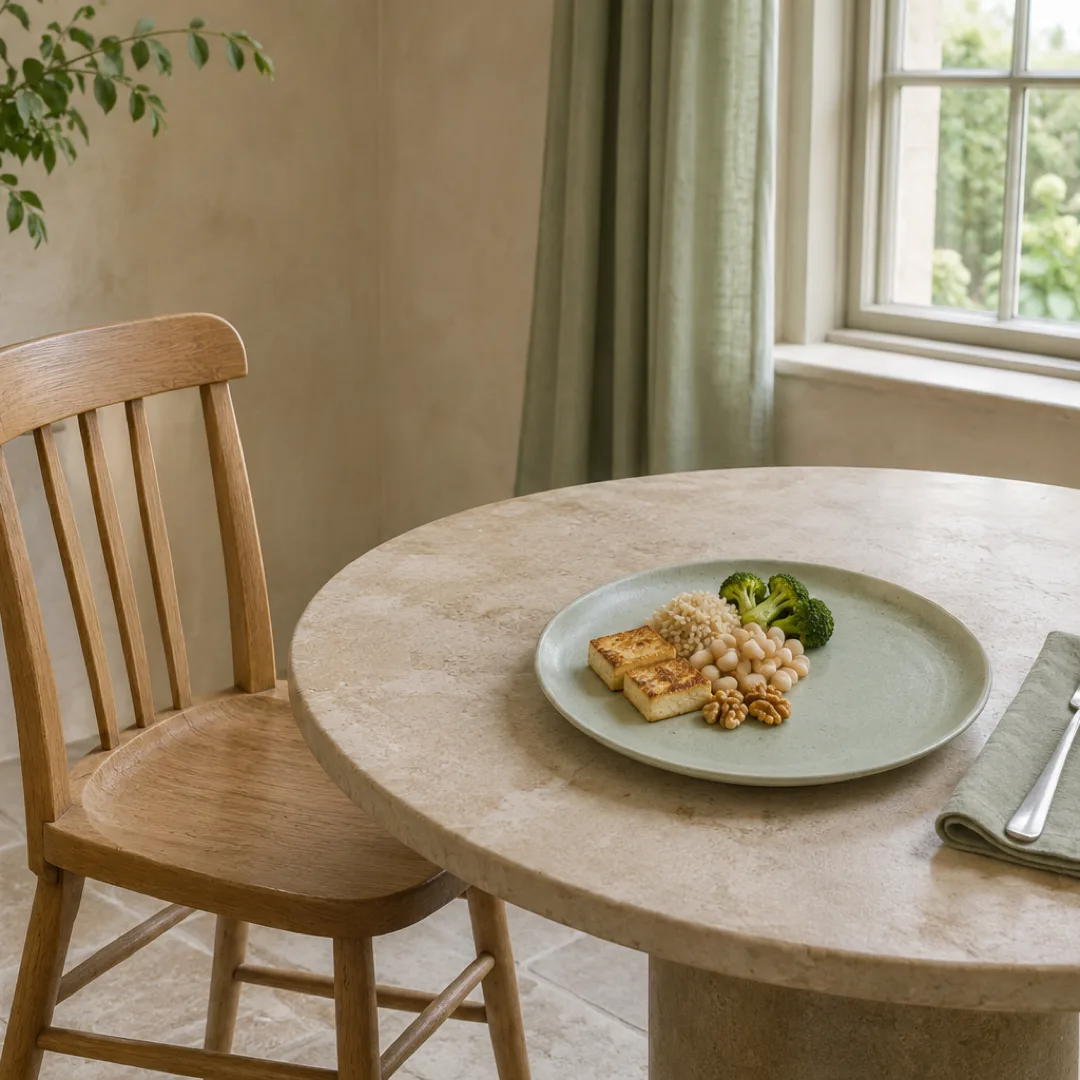
Before changing your menu, it helps to name the likely cause. Guessing wrong wastes effort. Someone who eats plenty of food but only fruit, rice, and vegetables does not need a bigger plate; they need different foods. Someone who is full after every small meal does not need more recipes; they may need a different eating rhythm.
In general, shortfalls on plant based eating tend to fall into two broad groups:
- Cause A: Too little protein-rich food. Meals are built around grains, produce, and snacks, with few beans, soy foods, nuts, or seeds.
- Cause B: Enough food variety, but not enough total intake. The right foods are present, yet portions are small, meals are skipped, or appetite is low.
Some people have a bit of both. That is fine. Treat the sections below as a way to find your starting point rather than a strict either-or test.
When the Menu Lacks Protein-Rich Foods
How to tell if this is you
Look back over a typical few days of eating. If most of your meals are pasta, bread, rice bowls, salads, smoothies made mostly of fruit, and snack foods, and beans, lentils, tofu, tempeh, or similar foods show up rarely, this branch likely fits. Many people who recently cut out meat, eggs, and dairy find that the "center of the plate" food simply disappeared and nothing took its place.
Another sign is leaning heavily on meat-alternative products without checking what they contain. Protein content differs a lot between products, so reading the nutrition label is worthwhile.
What generally helps
The usual advice, reflected in guidance from the U.S. Department of Agriculture's MyPlate resources, is that the protein food group includes plant options such as beans, peas, lentils, soy products, nuts, and seeds. Building meals around one of these, rather than treating them as a side, is the common starting point.
- Legumes: lentils, chickpeas, black beans, and split peas work in soups, stews, curries, and salads.
- Soy foods: tofu, tempeh, edamame, and soy milk are widely used as protein anchors.
- Whole grains with more protein: some grains, such as quinoa and oats, contribute more than refined options.
- Nuts and seeds: nut butters, hemp seeds, pumpkin seeds, and similar foods add protein along with fats and fiber.
People often ask about "complete" proteins. According to the Academy of Nutrition and Dietetics' general position on vegetarian eating, a varied plant diet eaten across the day can generally meet amino acid needs for many healthy adults, so there is usually no need to match every food at every meal. Individual circumstances differ, which is where a dietitian can help.
What a wrong guess costs here
If this is not actually your problem, rebuilding your whole menu around legumes can backfire. Sudden large increases in beans and high-fiber foods can cause gas and bloating for some people, and it may leave you discouraged. If your plate already features protein-rich foods, skip ahead to the next branch.
When the Foods Are Right but the Amounts Fall Short
How to tell if this is you
This branch fits if you already eat tofu, beans, and nuts regularly but still wonder about your totals. Common signals include skipped breakfasts, very small lunches, grazing without real meals, low appetite, or a busy schedule that pushes eating into one big evening meal. Plant foods are often bulkier and higher in fiber, so some people feel full before they have eaten much protein.
Athletes, older adults, and people recovering from illness can also fall into this pattern, because their needs may be higher or their appetite lower. Needs differ widely, so personal guidance matters most for these groups.
What generally helps
The common approaches focus on rhythm and density rather than volume:
- Spreading protein across the day. Including a protein-rich food at each meal and snack is a frequently suggested pattern, rather than saving it all for dinner.
- Choosing denser options. Foods like tofu, tempeh, seitan, lentil pasta, and soy yogurt tend to pack more protein into a smaller portion than many vegetables and grains.
- Using fortified or protein-added products thoughtfully. Some people use pea or soy protein powders; whether one suits you, and how much, is a question for a pharmacist, dietitian, or doctor, and the product label should be read closely.
- Adding easy snacks. Roasted chickpeas, edamame, nut butter on toast, or hummus with whole-grain crackers are simple ways many people add protein between meals.
For people with low appetite, smaller, more frequent meals are often discussed as a way to make eating feel manageable. If appetite loss is new, lasting, or paired with weight loss, that is a reason to talk with a clinician rather than adjust the menu alone.
What a wrong guess costs here
If your real issue is a narrow menu, eating more of the same low-protein foods will not close the gap. And if you are already eating enough, piling on protein powders and bars can add cost, extra additives, and sometimes digestive discomfort without a clear benefit. Reactions to these products vary from person to person.
What Helps in Either Case
A few habits tend to be useful no matter which branch you land in.
Read labels and know your starting point
Food labels list protein per serving, which makes comparison easier. The U.S. Food and Drug Administration's nutrition label guidance explains how to read serving sizes and nutrient lines. Tracking your intake loosely for a few days, using an app or a notebook, can reveal patterns without turning eating into a chore.
Do not overlook other nutrients
Protein is only one piece of a plant based diet. The National Institutes of Health Office of Dietary Supplements notes that people who avoid animal foods may need to pay attention to nutrients such as vitamin B12, iron, zinc, calcium, iodine, and omega-3 fats. Vitamin B12 in particular is a common topic, since it is mainly found in animal foods and fortified products. Whether you need fortified foods or a supplement is something to settle with a doctor, pharmacist, or registered dietitian, based on your own situation and any blood work.
Change things gradually
Increasing legumes and fiber slowly gives your digestive system time to adjust. Rinsing canned beans, cooking dried beans thoroughly, and trying different preparations are common ways people make them easier to eat. If digestive symptoms persist, mention them to a health professional.
Know who should get individual advice first
Personal guidance is especially important if you are pregnant or breastfeeding, feeding a child or teenager a plant based diet, managing kidney disease, diabetes, or a history of disordered eating, or if you take regular medications. Signs such as ongoing fatigue, hair thinning, frequent illness, slow wound healing, or unexplained weight loss are worth raising with a clinician, since many things besides protein can cause them.
Conclusion
Getting enough protein on a plant based diet comes down to matching the fix to the cause. If your menu rarely includes beans, soy foods, nuts, or seeds, the usual step is to bring those foods to the center of your meals. If those foods are already there but totals still feel low, spreading protein through the day, choosing denser options, and making eating easier tend to be the more relevant moves. Label reading, gradual changes, and attention to nutrients like B12 help either way.
If you cannot tell which branch fits you, a registered dietitian can review your actual eating pattern, and a doctor can check whether symptoms point to something else. Results and needs differ from person to person, so personal guidance is a reasonable first stop rather than a last resort.
Frequently asked questions
Do I need to combine foods at every meal to get complete protein?
If you eat a varied mix of plant foods across the day, you generally do not need to match them meal by meal, according to the Academy of Nutrition and Dietetics' general position on vegetarian eating. Eating beans, grains, soy foods, nuts, and seeds over the course of the day is the commonly described approach. Individual needs differ, so a dietitian can help if you have specific concerns.
Are protein powders necessary on a plant based diet?
If your meals already include protein-rich foods in reasonable amounts, powders are often not necessary. They can be useful for some people with low appetite or very high needs, but whether one fits you is best discussed with a pharmacist, dietitian, or doctor. Reading the product label is a sensible step either way.
Why do I feel full before I eat much protein?
If your meals are heavy on high-fiber, high-volume plant foods, fullness can arrive early. In that case, denser choices like tofu, tempeh, or seitan, along with smaller, more frequent meals, are commonly discussed options. If low appetite is new or persistent, check in with a clinician.
Which groups should get personal advice before changing their protein intake?
If you are pregnant, breastfeeding, planning a plant based diet for a child, or living with a condition such as kidney disease, individual guidance matters most. Protein needs in these situations can differ from general advice. A registered dietitian or doctor can tailor recommendations to you.
Disclaimer: This article is for informational purposes only and is not a substitute for professional medical advice, diagnosis, or treatment. Please consult a licensed professional for personal health decisions.