Hydration Mistakes That Slow Workout Recovery
The real question most people have isn’t “how much water should I drink”—it’s “when will I actually feel normal again after a workout.” If hydration habits are off, that return to feeling recovered can take longer than expected, and daily plans like going back to work, hitting the gym again, or even a night out can get pushed back. This article walks through what a typical recovery timeline looks like when hydration mistakes are part of the picture, and where things commonly go sideways.
Hydration mistakes that slow workout recovery aren’t always dramatic. Often it’s small habits—skipping fluids before a session, chugging plain water without any electrolytes, or ignoring thirst cues until hours later—that add up. None of this is a diagnosis or a fixed rule for everyone, since fluid needs vary a lot by body size, climate, workout intensity, and personal sweat rate.
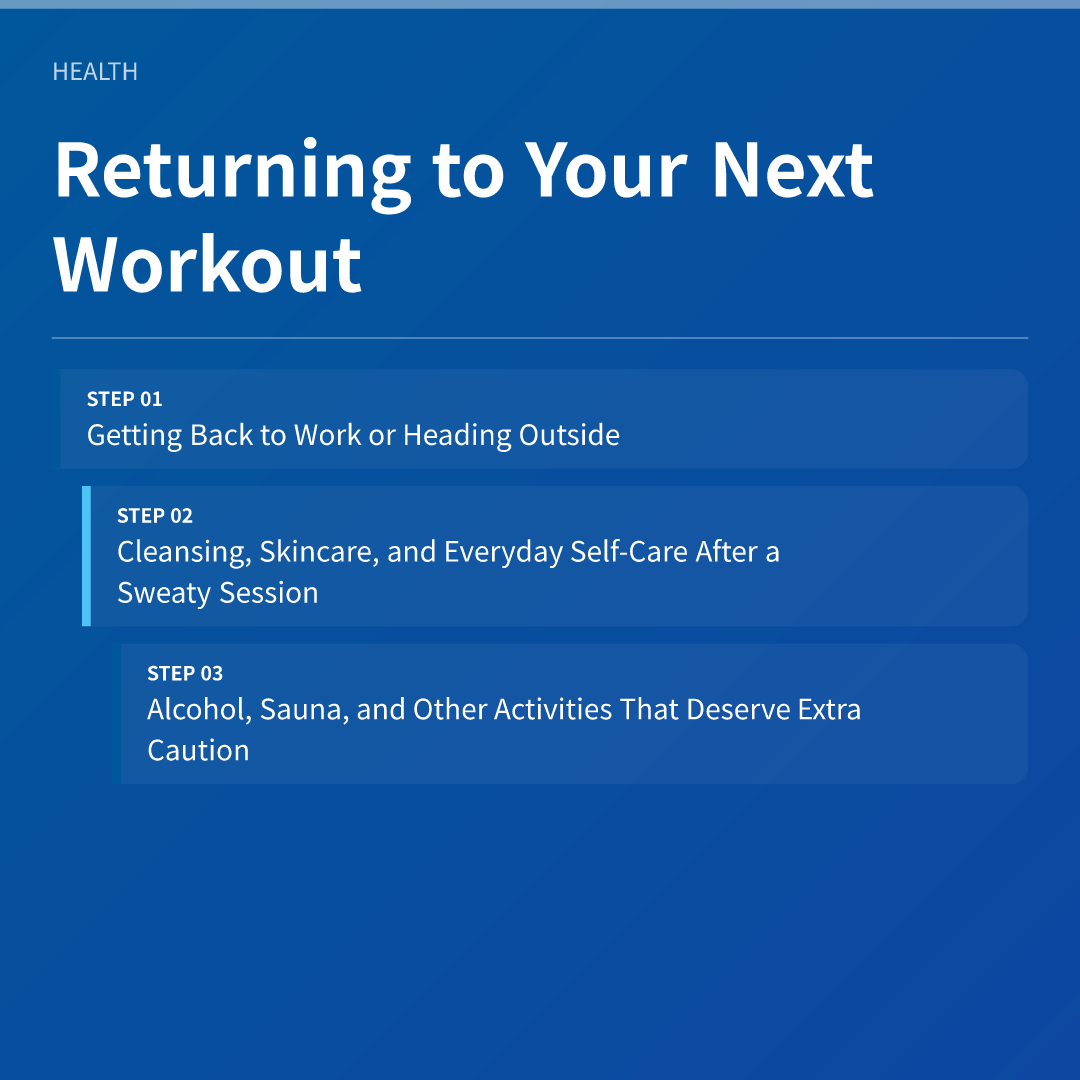
Getting Back to Work or Heading Outside
For most people who train in the morning or after work, a return to normal daily activity—commuting, sitting through meetings, running errands—happens within a few hours once fluids and a light snack are back on board. The lingering fatigue or brain fog some people notice isn’t just about sleep; it’s often tied to how much fluid and sodium was lost during the session and whether it was replaced.
The reason this matters is that dehydration affects blood volume and circulation, which can make you feel sluggish or lightheaded well after the workout itself ends. If someone trained hard in heat, skipped water beforehand, and only sipped a little afterward, that “off” feeling can stretch into the afternoon or even the next morning.
The exception here is intensity and environment. A short, easy walk indoors rarely causes any noticeable delay, even with imperfect hydration. But a long outdoor run in warm weather, paired with one of the more common hydration mistakes—like relying only on thirst as a signal—can leave someone feeling drained well into the next day. If dizziness, confusion, or a racing heartbeat shows up instead of ordinary tiredness, that’s a signal to check in with a doctor rather than assuming it will pass.
how much water you really need in a day
Returning to Your Next Workout
Generally speaking, muscles and energy systems benefit from at least a day of adequate fluid and food intake before another hard session, though light movement the next day is usually fine for most healthy adults. This isn’t a strict rule—some people bounce back quickly, and others need more time, especially if the previous workout was unusually long or hot.
The reasoning comes down to how hydration status affects performance and perceived effort. Being under-hydrated going into a workout can make the same exercise feel harder than it should, and it may also affect how well muscles recover between sessions, since fluid plays a role in transporting nutrients and clearing metabolic byproducts. According to general public health information on hydration, adequate fluid intake supports normal body function, including physical performance, though individual needs still vary.
The common exception involves people who overcorrect. Drinking large amounts of plain water very quickly after a tough workout, without replacing any electrolytes, is one of the hydration mistakes that can actually make the next session feel worse rather than better—some people report feeling bloated, nauseous, or oddly weak. If a workout consistently feels harder than it should despite normal training load, it may be worth reviewing fluid and electrolyte habits, or asking a sports medicine professional or registered dietitian for a personalized look.
Cleansing, Skincare, and Everyday Self-Care After a Sweaty Session
Most people can return to their usual skincare and cleansing routine right after a workout, once sweat and any product residue are washed off. There’s no special waiting period required for basic hygiene, but hydration status can still show up on the skin in subtle ways—like dryness, dullness, or under-eye puffiness—if fluid loss wasn’t adequately replaced.
This connects back to hydration because skin, like other tissues, reflects overall fluid balance to some degree. People who chronically under-hydrate around workouts sometimes notice their skin looks more tired or feels tighter than usual, though this is a general observation rather than a guaranteed effect, and skin appearance is influenced by many other factors too, including sleep, skincare products, and genetics.
The exception worth flagging is heavy sweating combined with harsh cleansers or hot water, which can strip the skin further right when it’s already dealing with fluid loss. Waiting until breathing and heart rate settle down before a hot shower, and choosing a gentler cleanser after intense training, is a reasonable habit rather than a strict requirement. Persistent skin irritation, rash, or unusual swelling after workouts is a reason to check in with a dermatologist rather than assuming it’s just a hydration issue.
Related reading: Simple Healthy Habits That Actually Improve Your Energy
Alcohol, Sauna, and Other Activities That Deserve Extra Caution
Alcohol and sauna sessions are generally best delayed until normal hydration and energy levels return, which for most people means waiting at least several hours after an intense workout, and longer after activity in heat. Both alcohol and heat exposure add to fluid loss, so stacking them on top of an already dehydrated state is one of the more overlooked hydration mistakes that can slow down how a person feels the next day.
The underlying reason is straightforward: alcohol has a diuretic effect, and sauna use increases sweating, so combining either with post-workout dehydration compounds fluid and electrolyte loss rather than helping the body recover. Some people also underestimate how much they’ve sweat during training, which makes it easy to underestimate how much rehydration is actually needed before adding alcohol or heat exposure into the mix.
There are exceptions based on individual health and workout intensity. A light stretching session followed by a sauna, with proper fluid replacement in between, is a different situation than a grueling outdoor run followed immediately by drinks. People with heart conditions, blood pressure issues, or a history of heat-related illness should be more cautious and may want to ask a doctor about safe timing for sauna or alcohol use after exercise. General health information on dehydration outlines common symptoms worth watching for, including dizziness, confusion, or a rapid heartbeat, which are not things to try to push through.
Frequently Asked Questions
What’s the most common hydration mistake that slows recovery?
Many people focus only on plain water and forget about electrolytes, especially after long or sweaty sessions. Sodium, potassium, and other minerals lost in sweat play a role in fluid balance, so replacing water alone isn’t always enough. A balanced approach—water plus a meal or snack with some sodium—tends to work better for most people than water alone, though individual needs differ.
Can drinking too much water actually be a problem?
Yes, drinking unusually large amounts of plain water in a short time, particularly after endurance exercise, can dilute sodium levels in the blood, a condition sometimes referred to as exercise-associated hyponatremia. This is uncommon in typical gym workouts but more of a concern in long endurance events. Anyone with symptoms like severe headache, confusion, or vomiting after heavy fluid intake should seek medical attention rather than waiting it out.
Does coffee or pre-workout count against hydration?
Caffeine has a mild diuretic effect for some people, though regular caffeine drinkers often build up some tolerance to this. It’s not usually necessary to avoid coffee entirely, but relying on caffeinated drinks as a main fluid source, especially before intense or hot-weather workouts, is one of the smaller hydration mistakes that can add up over a training week.
When is a delayed recovery a sign to see a doctor instead of just adjusting hydration habits?
If normal activity, sleep, or exercise capacity hasn’t returned to baseline after a few days despite reasonable fluid and food intake, or if there are symptoms like persistent dizziness, very dark urine, an irregular heartbeat, or unusual swelling, it’s worth having a medical professional take a look. Hydration habits are one piece of the recovery picture, but they don’t explain every case of prolonged fatigue, and ruling out other causes is a reasonable next step when recovery feels off for longer than usual.
Disclaimer: This article is for informational purposes only and is not a substitute for professional medical advice, diagnosis, or treatment. Please consult a licensed professional for personal health decisions.