Progressive Muscle Relaxation Step by Step: A Plain Guide
Progressive muscle relaxation step by step is a relaxation method in which a person deliberately tightens one muscle group, then lets it go, and moves through the body in a set order. The idea is to help people notice the difference between tension and release, which many find hard to sense when stress has built up over a long day. Below, you will find what the method means, when people commonly use it, how it differs from similar practices, and why it matters, along with the general sequence people are usually taught and the limits worth knowing.
What the Method Actually Means
Progressive muscle relaxation, often shortened to PMR, is a technique built around contrast. A muscle group is gently tightened for a short moment and then released, while attention stays on how the release feels. The word "progressive" simply means the process moves from one body area to the next in a planned order.
The approach is generally traced to an early twentieth-century physician and researcher who studied the link between muscle tension and nervous feelings. Since then, many versions have appeared, some shorter and some longer. According to MedlinePlus general guidance on relaxation techniques, practices of this kind are commonly used as one tool for managing stress, and they are usually taught as skills that improve with repetition.
The Core Idea in Plain Terms
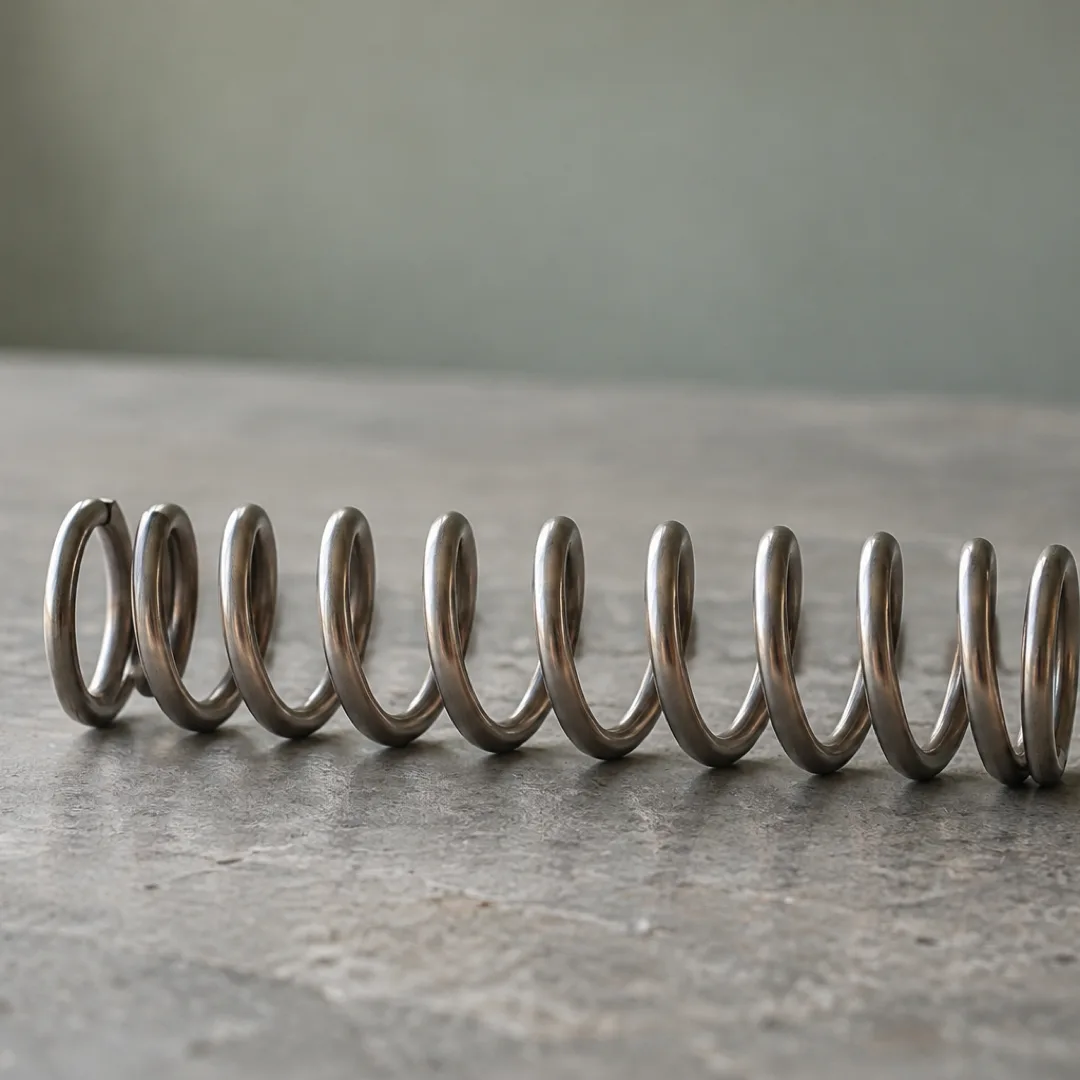
Think of a tightly wound spring. A spring that has been compressed for hours does not always "know" it is compressed, but once it is released, the difference is obvious. PMR works on a similar principle: by tightening on purpose, you make the contrast clearer, so letting go becomes easier to notice.
The General Sequence People Are Taught
Instructions differ between teachers, apps, and clinics, so what follows is a general description rather than a prescription. Many programs begin with the hands and forearms, then move to the upper arms, shoulders, neck, face, chest, abdomen, hips, thighs, calves, and finally the feet. Others start at the feet and travel upward. Neither order is considered the single correct one.
Within each area, the pattern is usually similar:
- Settle in. People typically sit or lie in a quiet, comfortable position and let their breathing slow down.
- Tense gently. One muscle group is tightened to a moderate level, not to the point of strain or pain.
- Hold briefly. The tension is held for a short moment while the person stays aware of the sensation.
- Release fully. The muscles are let go all at once, and attention rests on the feeling of softening.
- Pause and notice. A few quiet breaths follow before moving to the next area.
- Finish with a body scan. Many versions end by checking in with the whole body and noticing any remaining tightness.
Exact timing, number of repetitions, and body areas vary widely, and guided recordings or a trained instructor can set a pace that fits you. Because the sequence is a skill rather than a treatment, it is fine to shorten or adapt it, especially if some body areas are uncomfortable.
Situations Where People Use It

People often turn to this method when everyday stress shows up in the body. Typical examples include a tight jaw during a busy week, stiff shoulders after hours at a desk, or a restless body when trying to wind down at night. It is also commonly included in stress-management programs and some counseling approaches.
Winding Down Before Sleep
Many people use PMR in the evening because it gives the mind a simple, physical task to focus on. The National Institutes of Health (NIH) general information on sleep and relaxation notes that calming routines before bed are often suggested as part of healthy sleep habits. Whether PMR helps with sleep varies from person to person, and it is not a replacement for evaluation if sleep problems persist.
During Stressful or Anxious Periods
Some people practice it during periods of worry or tension as a way to feel more grounded. According to the National Institute of Mental Health (NIMH) general guidance, relaxation practices can be one part of coping with stress, but they are not a stand-alone answer for anxiety disorders or other mental health conditions. If worry is constant or interferes with daily life, a qualified professional can help figure out what support fits.
Everyday Muscle Tension
Because the method draws attention to physical tightness, some people use it to become more aware of habits like clenching the jaw or raising the shoulders. Awareness alone does not resolve every source of discomfort, and ongoing pain deserves proper medical attention.
Commonly Confused Practices and How They Differ
Relaxation methods overlap, and people often mix them up. Knowing the differences makes it easier to choose one that suits you.
- Body scan meditation. A body scan moves attention through the body without deliberately tightening anything. PMR adds the tense-and-release step, which makes it more physical and, for some people, easier to follow.
- Deep breathing exercises. Breathing practices focus on the pace and depth of breath. PMR can be combined with slow breathing, but the main focus is muscle awareness.
- Stretching. Stretching lengthens muscles for flexibility. PMR uses short, moderate tightening followed by release, and its purpose is awareness and relaxation rather than increasing range of motion.
- Guided imagery. Imagery relies on picturing calming scenes. Some guided sessions blend imagery with PMR, which can add to the confusion.
- Massage or physical therapy. These involve another person or a clinical plan. PMR is something a person practices on their own, and it does not substitute for hands-on care.
Why It Matters in Practice
The main value of this method is that it gives people a concrete, learnable skill. Stress can feel vague and overwhelming, but "relax my shoulders" is a clear instruction the body can follow. Over time, many people find they notice tension earlier, before it builds into something harder to manage.
Limits Worth Knowing
PMR is not a medical treatment, and results vary. Some people feel calmer fairly quickly, while others need regular practice over weeks before it feels natural. A few find that focusing on the body makes them more uneasy, particularly if they have a history of trauma, panic, or intense body-focused anxiety. If that happens, it is reasonable to stop and talk with a mental health professional about alternatives.
Who Should Be Cautious
Tightening muscles can be a problem for some people. Those with recent injuries, surgery, chronic pain conditions, muscle or joint problems, high blood pressure, heart conditions, or pregnancy-related concerns are often advised to check with a healthcare professional first, since they may be told to skip certain muscle groups or use a gentler version. Anyone who feels sharp pain, cramping, dizziness, or chest discomfort during practice should stop and seek medical advice.
When to Seek Professional Care
Relaxation techniques are a self-care tool, not a way to handle every difficulty. Consider reaching out to a licensed professional if you notice any of the following:
- Persistent low mood, worry, or irritability that lasts for weeks.
- Trouble sleeping that continues despite good routines.
- Physical symptoms such as ongoing pain, tightness in the chest, or racing heartbeat.
- Panic that feels overwhelming or frightening.
- Any thoughts of harming yourself. In the United States, you can call or text 988 to reach the Suicide and Crisis Lifeline, or contact local emergency services right away.
How Knowing This Changes Your Decisions
Once you understand that this method is a skill built on contrast between tension and release, two practical judgments become easier.
- You can judge whether it fits your situation. If you carry stress in your body and like clear, structured exercises, a step-by-step muscle approach may suit you. If tightening muscles is uncomfortable because of an injury, a medical condition, or heightened anxiety, a gentler option such as slow breathing or a body scan may be a better starting point, ideally after a conversation with a healthcare professional.
- You can set realistic expectations. Because it is a practiced skill rather than a quick fix, it makes sense to expect gradual change and to treat it as one support among others. If symptoms persist or worsen, that is a sign to look beyond self-help and ask a qualified professional about progressive muscle relaxation step by step alongside other options.
Disclaimer: This article is for informational purposes only and is not a substitute for professional medical advice, diagnosis, or treatment. Please consult a licensed professional for personal health decisions.