Walking as Recovery Exercise Benefits: When Each Activity Can Resume
Behind most questions about healing sits a simple one: when can I get back to normal things? Walking is often the bridge, and the walking as recovery exercise benefits people describe, such as easier movement, steadier energy and a sense of progress, tend to show up as everyday activities return one at a time. Every condition and person differs, so the timing below is general pattern only, not personal advice. Your care team’s limits always come first.
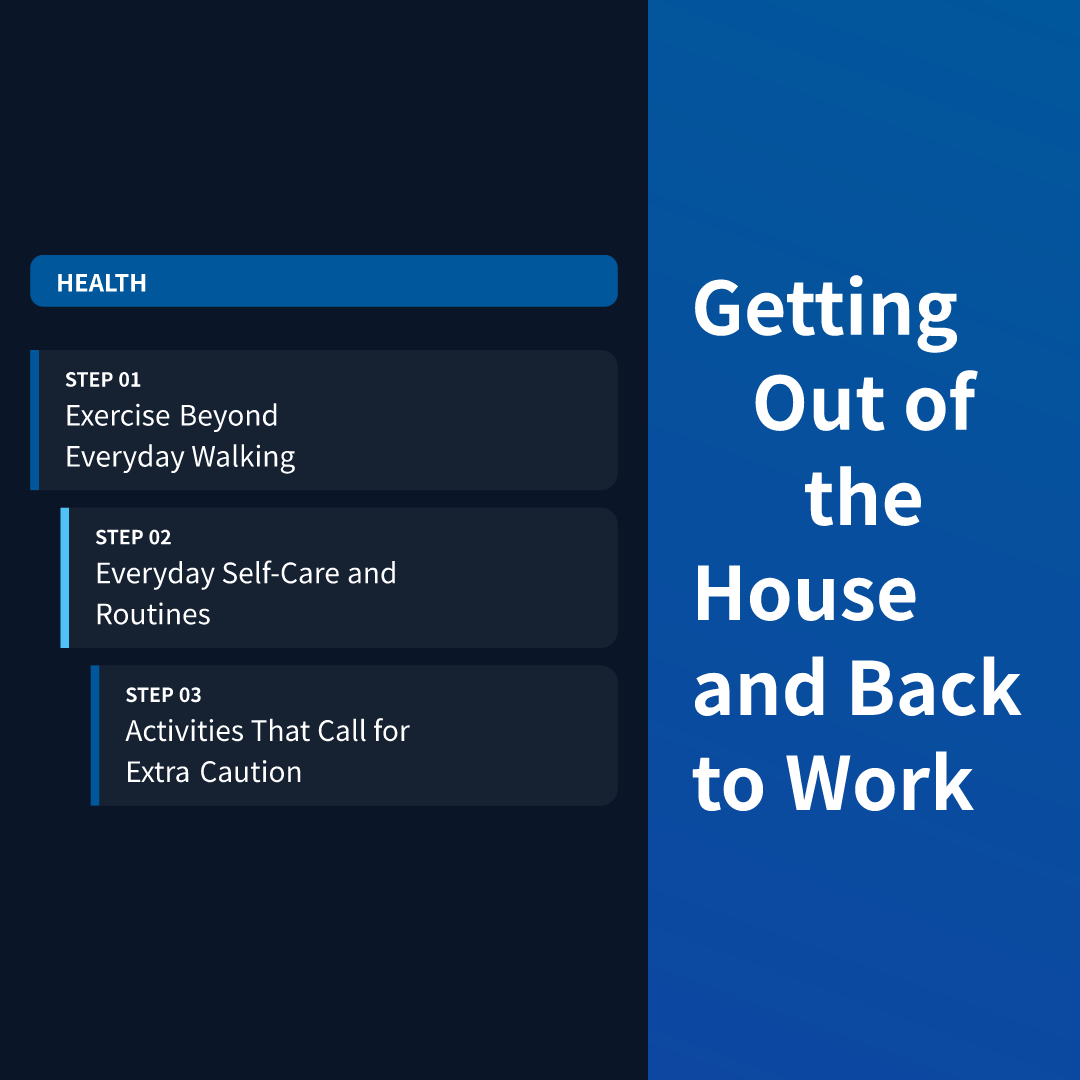
Getting Out of the House and Back to Work
Typical timing. Many people begin with short walks inside the home during the first week or two, then move to a driveway, a flat street or a park path over the following weeks. Returning to work or regular outings usually follows that gradual widening, and often depends on how demanding the job is and what the clinician has said.
Why. Early on, the body is busy healing, and swelling, soreness and tiredness are common. Staying in bed too long can add stiffness and weaker muscles, which is one reason care teams often encourage brief movement when appropriate. Walking is low-impact and supports circulation, joint movement and general conditioning. General guidance such as the CDC’s physical activity pages treats walking as accessible, though it is written for the general public rather than for a specific recovery.
Exceptions. Someone with balance problems or dizziness may need a person nearby, or a walker or cane if recommended. Medicines that cause drowsiness can also delay outings. Sharpening pain, new swelling, chest discomfort, unusual breathlessness, fainting or fever are reasons to contact a healthcare professional rather than keep going.
Exercise Beyond Everyday Walking
Typical timing. Around two to six weeks, people often lengthen walks slowly. From about six weeks onward, some add gentle hills, a slightly quicker pace, or strengthening and stretching their care team has approved. Running, sports and heavy labor generally come later and only after a clinician confirms readiness.
Why. Tissues are often still repairing even when you feel better, so feeling good is not the same as being fully healed. Stamina returns unevenly, with good days followed by flat ones. Sudden jumps in distance, speed or incline can aggravate healing areas, and the setback may cost more time than the extra effort gained. A simple note on how you felt the next day is often more informative than how the walk felt in the moment.
Exceptions. After surgery or a fracture, progression may be slower or follow set targets from a physical therapist, and that plan is more reliable than any general article. Ice, wet pavement, heat and cold deserve extra caution, since a fall can create a new problem. Many rehabilitation programs share a rule of thumb: some fatigue is expected, but pain that grows or lingers is a signal to pause and ask for guidance.
Everyday Self-Care and Routines
Typical timing. Sleep, meals, hydration and a regular walking time can be set up from the earliest days, since they need no clearance in most cases. Many people choose the hours when their energy is highest and wear comfortable shoes with good grip.
Why. These basics quietly affect energy and healing. Some people report that regular walks help their mood and sleep routine, though experiences vary and walking is not a treatment for any condition. A steady routine often matters more than any single long outing, and walking with a friend or group can make it easier to keep. (Source: NIH NHLBI: Sleep Deprivation and Deficiency)
Exceptions. Wound care, bathing restrictions or dressings may come with specific instructions that override routine habits. Heart, lung, joint, nerve or circulation concerns can also change what is appropriate, so ask before assuming a standard routine fits.
Activities That Call for Extra Caution
Typical timing. Alcohol, hot environments, long drives, crowded or uneven routes and strenuous outings are commonly held off until a clinician says otherwise, which for many people means well past the early weeks.
Why. Alcohol and heat can worsen dizziness, interact with medicines and affect balance, which matters when a fall could set recovery back. Uneven ground and long distances raise the demand on tissues that are still remodeling, sometimes for a long time.
Exceptions. Some people are cleared earlier because their condition was minor, while others wait longer because of other health conditions or medicines. Your prescriber or pharmacist can say whether a medicine changes the picture.
Frequently Asked Questions
Is it normal to feel tired the day after a walk?
Mild fatigue is common. Pain that grows or lingers, or swelling that returns, is a reason to pause and ask your care team.
Why does my recovery look different from someone else’s?
The type and size of the problem, age and prior fitness, other conditions, medicines, sleep, nutrition, stress and your home setting all shape the pace.
Should I use a walker or cane?
Only if your clinician recommends one. If balance feels unsteady, tell them before increasing distance.
What counts as slower than expected, and what should I do?
Slower progress is common and not automatically a problem. Start with sleep, meals, hydration and stress, then ask whether walking increased faster than your body could adjust. Compare your activity with your care team’s limits and jot down when symptoms appear and what eases them. If things still lag behind the schedule you were given, bring those notes to your clinician or rehabilitation team and ask about medicines, other conditions or a physical therapy referral. Chest pain, trouble breathing, fainting, a hot swollen calf, sudden weakness, fever or a worsening wound need prompt assessment instead of waiting.
Disclaimer: This article is for informational purposes only and is not a substitute for professional medical advice, diagnosis, or treatment. Please consult a licensed professional for personal health decisions.
Related reading: How Long Should Muscle Recovery Take Between Workouts?