Zinc Supplements: What to Know Before You Buy
You are standing in the supplement aisle, or scrolling an online shop, and the zinc options keep multiplying: lozenges, capsules, gummies, "immune" blends with zinc tucked in alongside vitamin C. You may be wondering whether you need it at all, and whether more is better. When it comes to zinc supplements what to know comes down to three things: zinc is an essential mineral most people get from food, supplements can be useful in specific situations, and the amount and form are best settled with a pharmacist or clinician rather than guessed.
What does zinc actually do in the body?
Zinc is an essential trace mineral, meaning the body needs small amounts of it to function but cannot make it on its own. According to the National Institutes of Health Office of Dietary Supplements, zinc is involved in many everyday processes, including immune function, wound healing, protein and DNA production, and the senses of taste and smell. That broad role is one reason it appears in so many products.
Because zinc is part of so many processes, it is easy for marketing to stretch the story. A mineral being necessary is not the same as extra amounts being beneficial. For most healthy people eating a varied diet, the body's needs are generally met without a pill.
Where zinc comes from in food
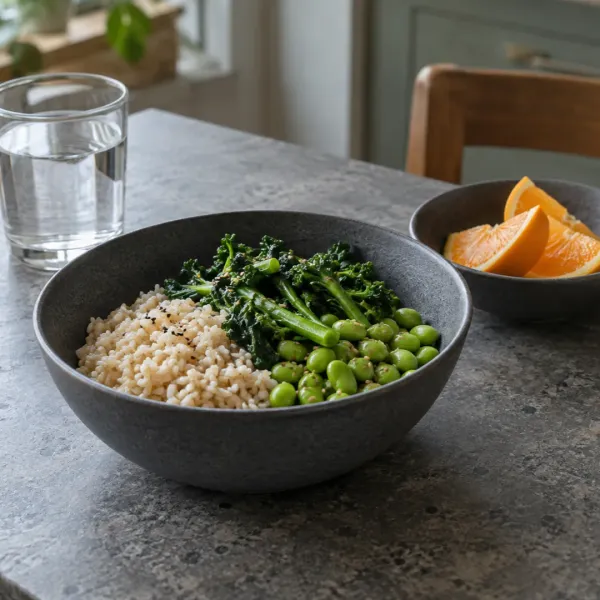
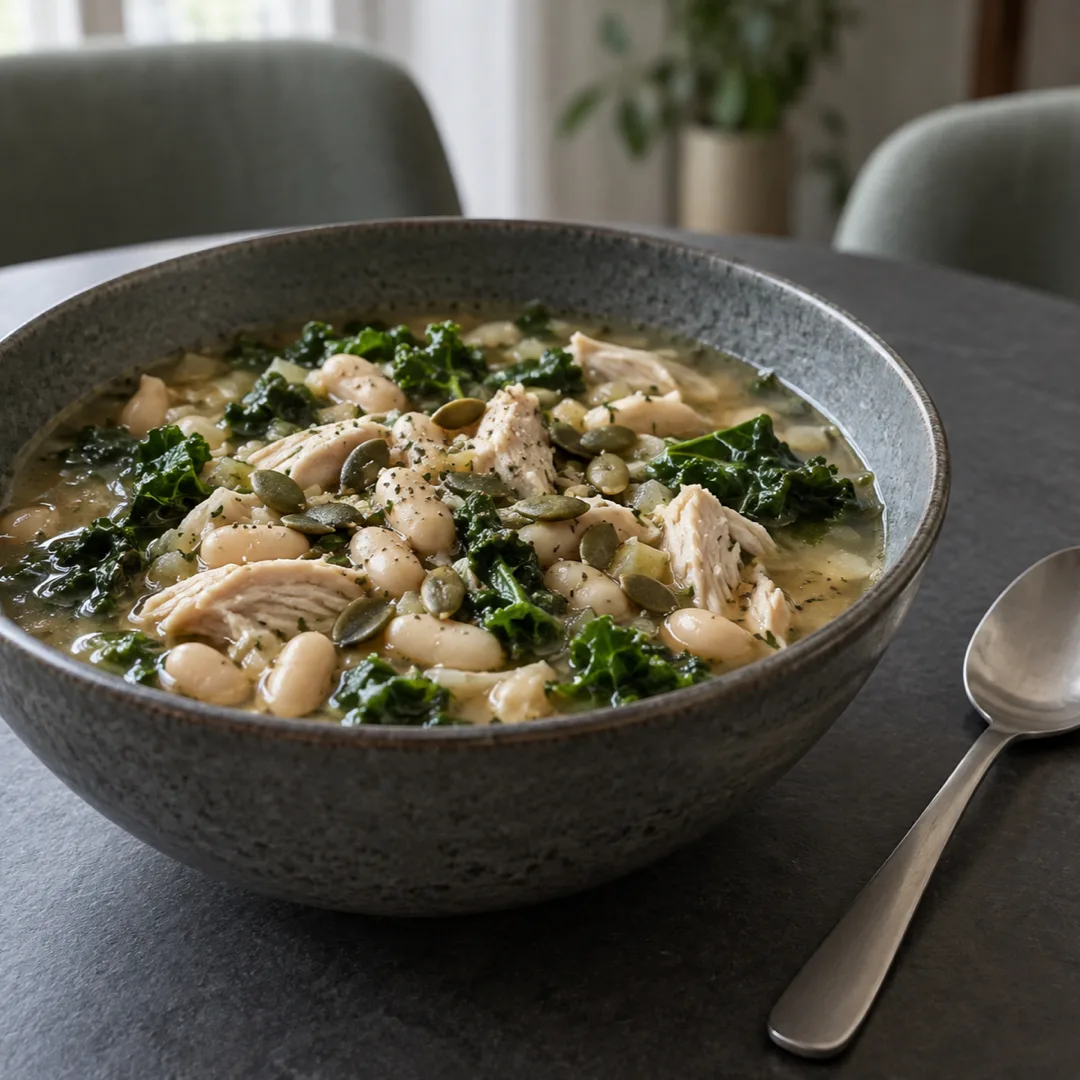
Zinc is found in a range of everyday foods. Shellfish such as oysters are well known for being rich in it, and meat, poultry, beans, nuts, seeds, dairy products, and fortified cereals also contribute. The NIH Office of Dietary Supplements notes that animal foods tend to provide zinc that is absorbed relatively well.
Plant foods contain zinc too, but they also contain compounds called phytates, which can reduce how much zinc the body absorbs. This is a common reason people who eat fully plant-based diets are sometimes asked to pay closer attention to their zinc intake. It does not mean a plant-based diet cannot meet needs, only that planning can matter.
What a shortfall can look like
True zinc deficiency is not very common in places where food is plentiful, but it can happen. General guidance from the NIH describes possible signs such as slowed growth in children, hair thinning, changes in taste, skin problems, and slower wound healing. Those signs overlap with many other conditions, so they are not a reliable way to diagnose yourself.
If you suspect a shortfall, the useful step is a conversation with a clinician, who can consider your diet, health history, and whether any testing makes sense. Zinc levels in the blood can be hard to interpret, so testing is not always straightforward.
Who might consider a zinc supplement, and who should be cautious?
Supplements are generally discussed for people with a higher chance of falling short, not for everyone. The NIH Office of Dietary Supplements lists groups who may be at greater risk of low zinc, including people with certain digestive conditions, people who follow vegetarian or vegan diets, older adults with limited diets, people who are pregnant or breastfeeding, and people who drink alcohol heavily. Each of these groups has different needs, so general advice only goes so far.
Whether any of this applies to you is a personal question. A pharmacist or clinician can look at your whole picture, including your medicines, before suggesting anything.
Why more is not necessarily better
Zinc has an established upper intake level, which is the highest daily amount considered unlikely to cause problems for most people. According to the NIH Office of Dietary Supplements, taking more than that over time can lead to trouble. Short-term high intake is associated with nausea, vomiting, stomach cramps, and diarrhea, while longer-term high intake can interfere with the body's handling of copper.
Copper imbalance can, in turn, be linked with changes in blood cells and nerve function. This is one of the main reasons zinc is not a "take extra to be safe" mineral. Reactions vary from person to person, and the appropriate amount depends on age, health, and diet, so it is best settled with a professional.
Interactions with medicines and other minerals
Zinc can interact with certain medicines. The NIH notes that it may reduce the absorption of some antibiotics, such as quinolone and tetracycline types, and that it can interact with some other drugs, including penicillamine and certain diuretics. Timing and combinations matter here, which is a question for a pharmacist rather than something to work out from a label.
Zinc and other minerals, especially copper and iron, can also compete for absorption. If you already take a multivitamin or a mineral blend, you may be getting zinc without realizing it. Checking the "Supplement Facts" panel on everything you use is a sensible habit, and bringing those bottles to an appointment helps a clinician or pharmacist see the full picture.
People who should talk to a professional first
Some situations call for a conversation before any zinc product is considered. These include:
- Pregnancy or breastfeeding, when needs change and products differ.
- Kidney, liver, or digestive conditions.
- Regular use of prescription medicines, particularly antibiotics or diuretics.
- Giving any supplement to a child, since needs depend heavily on age.
- Plans to use a product for a long stretch rather than a short one.
How do you choose a zinc product without getting lost in the label?
Start by reading the label for what is actually in the product, not just the front-of-package claims. Zinc comes in several forms, such as zinc gluconate, zinc acetate, zinc citrate, and zinc sulfate, and the label lists the amount of elemental zinc, which is the figure that matters. The form can affect how a product tastes and how it sits on the stomach, though people differ in what they tolerate.
Supplements are regulated differently from medicines. According to the U.S. Food and Drug Administration, dietary supplements are not approved by the agency for safety and effectiveness before they are sold, and manufacturers are responsible for making sure their products are safe and accurately labeled. That puts extra weight on being a careful shopper.
Forms: lozenges, capsules, and nasal products
Zinc is sold as capsules, tablets, gummies, and lozenges, and some products are marketed for colds. Research on zinc and colds has been mixed and depends on the form and timing, and the NIH Office of Dietary Supplements discusses this as an area where evidence is not settled. It is fair to treat cold-related claims with some caution.
Zinc nasal sprays and swabs deserve particular care. The FDA has warned consumers about intranasal zinc products in connection with a loss of the sense of smell, which in some reports was long-lasting. Anyone considering a product used in the nose should talk to a clinician or pharmacist first.
Quality signals worth looking for
Some products carry a seal from an independent testing organization, which indicates the contents were checked against what the label says. A seal does not mean a product is right for you or free of reactions, but it can be one signal among several. Be wary of products that promise dramatic or fast results, which are common red flags in the supplement market.
It also helps to be realistic about the front label. Phrases like "immune support" are general structure-and-function wording, not a promise that the product will prevent or treat anything. Gummies and flavored products may also contain added sugar or other ingredients worth reading.
Side effects and warning signs
Common reactions to zinc supplements include nausea, an upset stomach, and a metallic taste, and these are more likely when a product is taken on an empty stomach or in larger amounts. Reactions vary from person to person. If stomach upset is a problem, a pharmacist can talk through options.
Seek medical care promptly if you have severe vomiting, ongoing diarrhea, or other symptoms that worry you after using a zinc product. Contact a clinician as well if you notice unusual tiredness, tingling, or numbness during long-term use, since these have been linked in general guidance with copper problems from excess zinc. In an emergency, or if someone may have swallowed too much, contact local emergency services or a poison control center.
Frequently asked questions
Can I get enough zinc from food alone?
Many people can, particularly those who eat a mix of animal foods, legumes, nuts, seeds, and whole grains. Needs vary with age, pregnancy, and health conditions, so it is reasonable to ask a clinician or dietitian if you are unsure. A review of your usual meals is often more informative than guessing.
Is zinc in a multivitamin enough, or do I need a separate product?
Many multivitamins already contain zinc, so adding a separate product can lead to overlap. Check the Supplement Facts panel on everything you use, then ask a pharmacist whether the combined total makes sense for you. That is usually quicker and clearer than trying to calculate it yourself.
Does it matter when zinc is taken relative to other medicines?
It can, because zinc may affect how some medicines are absorbed, including certain antibiotics. The right timing depends on the specific medicines involved. A pharmacist can review your list and explain what the product information and your prescriber advise.
Disclaimer: This article is for informational purposes only and is not a substitute for professional medical advice, diagnosis, or treatment. Please consult a licensed professional for personal health decisions.
Related reading: Iron Supplements: Signs You Might Need Them