A Healthy Grocery List for Beginners, Step by Step
Standing in a grocery store aisle feeling unsure about what to put in your cart is a completely normal starting point. If you’re building a healthy grocery list for beginners for the first time, you’re not supposed to already know which brands, which vegetables, or which “healthy” labels actually mean something. This guide walks with you from the very first decision — where to even begin — through the questions that tend to pop up once you’re actually standing in the store.
There’s no single correct way to shop healthier, and what works for one household may not fit another. Think of this less like a rulebook and more like a companion for your first few grocery runs, until you find a rhythm that feels like yours.
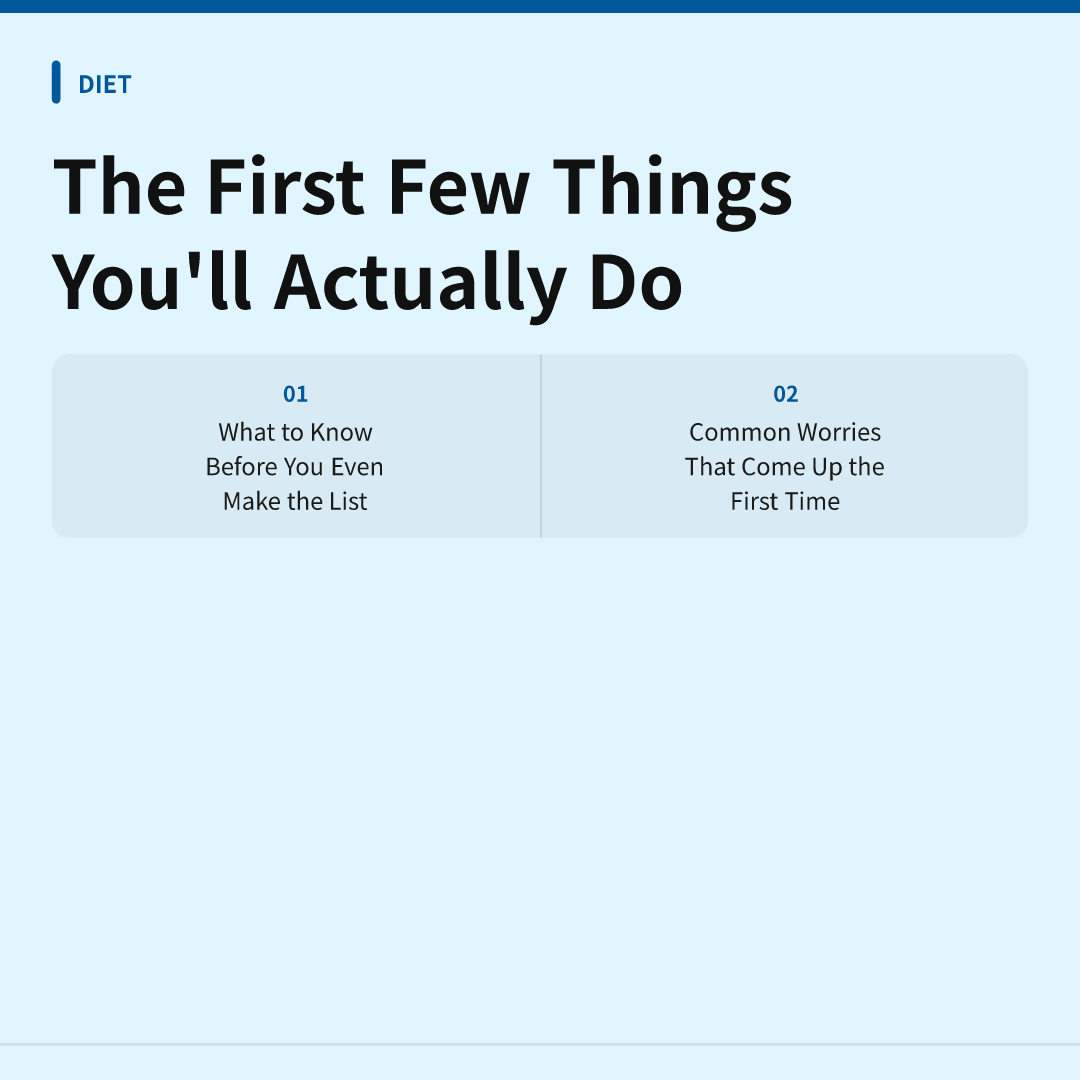
What to Know Before You Even Make the List
Before writing a single item down, it helps to understand that a “healthy grocery list” isn’t about buying special diet products or anything with a green label on it. According to general dietary guidance shared by public health organizations, a balanced way of eating usually centers on a mix of vegetables, fruits, whole grains, protein sources, and healthy fats — not on any one perfect food. That’s a reassuring starting point, because it means you don’t need to hunt for rare ingredients or expensive superfoods.
It’s also worth knowing that “healthy” can look different depending on your budget, your household size, any allergies, and any health conditions you’re managing. If you have a medical condition like diabetes, kidney concerns, or food allergies, a general list like this one is not a substitute for guidance from a doctor or registered dietitian — it’s simply a starting framework for people without specific medical restrictions.
One more thing beginners often don’t realize: you don’t have to overhaul your entire kitchen in one trip. Small, steady changes to your regular shopping list tend to be more sustainable than a dramatic one-time transformation.
Setting a Loose Budget First
Before you shop, it helps to have a rough sense of what you’re willing to spend. Healthy eating doesn’t have to mean expensive eating — frozen vegetables, dried beans, and store-brand oats are often just as nutritious as pricier fresh or packaged alternatives, and they tend to last longer too.
The First Few Things You’ll Actually Do
Once you’re ready to start, the process usually unfolds in a few natural stages. Here’s what that typically looks like for someone building their very first healthy grocery list.
Step One: Sketching Out Your Basic Categories
Most beginner-friendly lists are organized around a handful of simple categories rather than specific brand names. A simple starting structure might include:
- Vegetables and fruits — fresh, frozen, or canned without added sugar or heavy syrup
- Whole grains — oats, brown rice, whole wheat bread or pasta
- Protein sources — eggs, beans, lentils, chicken, fish, tofu, or plain yogurt
- Healthy fats — olive oil, nuts, seeds, avocado
- Pantry basics — herbs, spices, low-sodium broth, canned tomatoes
You don’t need every item in every category on your first trip. Picking two or three from each group is usually plenty to start cooking a few balanced meals at home.
Step Two: Reading Labels Without Getting Overwhelmed
Nutrition labels can feel like a foreign language the first time you really look at them. A gentle approach many beginners find useful is checking just two or three things at first: added sugar, sodium, and the ingredient list length. Shorter ingredient lists with recognizable words are often — though not always — a sign of a less processed product.
You don’t need to become a label-reading expert overnight. This is a skill that builds gradually, trip after trip.
Step Three: Learning the Store’s Layout
Something beginners rarely expect is how much the physical layout of a grocery store matters. Fresh produce, dairy, and meat are typically along the outer edges of a store, while packaged and processed foods tend to fill the inner aisles. Spending most of your shopping time around the perimeter is a common, simple strategy — though it’s not a strict rule, since healthy staples like oats, beans, and canned goods live in the middle aisles too.
Step Four: Making Your First List Realistic
A first grocery list doesn’t need to be perfect. It’s common for beginners to buy a vegetable they’re not sure how to cook, or a grain they’ve never tried, just to experiment. That’s a normal part of the learning curve, not a mistake.
A healthy grocery list is less about restriction and more about giving your future self easier, more balanced options during the week.
simple meal prep ideas for beginners
Common Worries That Come Up the First Time

It’s completely normal to feel a bit anxious the first few times you try to shop “healthier.” Here are some of the concerns beginners raise most often, along with what’s generally understood about each one.
“What if healthy food is too expensive for me?”
This is one of the most common worries, and it’s a fair one. Frozen fruits and vegetables, dried legumes, eggs, canned fish, and store-brand whole grains are generally considered budget-friendly staples that still fit into a balanced diet. Buying fresh produce that’s in season can also help keep costs down, since it tends to be more available and less expensive than out-of-season options.
“What if I buy something and it goes bad before I use it?”
Food waste is a common concern for beginners, especially with fresh produce. Starting with a smaller quantity of perishable items and leaning more on frozen vegetables and fruits — which are typically frozen shortly after harvest and retain much of their nutritional value — can help reduce this pressure while you’re still learning your household’s pace of eating.
“What if I don’t know how to cook half of these ingredients?”
Not knowing how to prepare an ingredient is extremely common at the start, and it usually resolves itself with a bit of searching or simple trial and error. Starting with familiar cooking methods — roasting vegetables, boiling grains, or pan-searing protein — tends to feel more approachable than trying complicated recipes right away.
“Do I have to give up all my favorite snacks?”
A healthy grocery list for beginners isn’t usually about eliminating everything you enjoy. Many people find it more sustainable to keep a few favorite treats in moderation while gradually adding more vegetables, whole grains, and protein into their regular rotation, rather than approaching food with an all-or-nothing mindset.
“What if I have food allergies or a health condition?”
If you’re managing allergies, diabetes, high blood pressure, or another condition, a general list like this one should be treated as a loose starting point rather than personalized advice. A doctor, registered dietitian, or other qualified professional can help tailor a grocery and meal plan to your specific health needs, since individual requirements can vary quite a bit.
Where Beginners Get Stuck — and How Small Habits Help
A lot of people don’t fail at healthy eating because they lack willpower — they simply run out of a workable system. Keeping a running list on your phone, reusing a basic weekly template, or building a small rotation of five or six go-to meals are all habits that tend to make the process feel less like a chore over time.
It’s also worth knowing that motivation naturally comes and goes. Missing a “perfect” shopping trip or grabbing convenience food occasionally doesn’t undo previous progress — consistency over time tends to matter more than any single grocery run.
A Note on Supplements and “Health” Marketing
It’s common to see products in the grocery store labeled as “clean,” “detox,” or “superfood.” These marketing terms aren’t strictly regulated in the same way medical claims are, so it’s reasonable to treat them with a bit of healthy skepticism rather than assuming they guarantee a health benefit. If you’re considering supplements specifically, that’s a conversation better suited for a pharmacist or doctor, since needs vary by individual and some supplements can interact with medications.
What Comes Next
Once you’ve made it through a first trip or two, the next stage is simply repetition — noticing what worked, what went unused, and adjusting gently from there. Over the next few weeks, you’ll likely start recognizing your own patterns: which vegetables you actually enjoy, which grains cook fastest on a busy night, and which snacks keep you satisfied.
For right now, though, the smallest useful next step is this: open a notes app or grab a scrap of paper, and jot down just three vegetables and two protein sources you’d genuinely like to try eating more of this week. That short, low-pressure list is really all a healthy grocery list for beginners needs to start with — everything else can be built one trip at a time.
⚠️ Disclaimer: This article is for general informational purposes only and is not a substitute for professional medical or nutritional advice. Please consult a qualified doctor, registered dietitian, or other healthcare professional for guidance specific to your health needs.
Disclaimer: This article is for informational purposes only and is not a substitute for professional medical advice, diagnosis, or treatment. Please consult a licensed professional for personal health decisions.