Bone Density Tips After 50: What They Really Mean
Bone density tips after 50 are everyday habits and health conversations aimed at keeping bones as strong as possible as the body's natural bone loss picks up. Bone density itself is a measure of how much mineral, mainly calcium, is packed into a section of bone, and it is one piece of the picture of how likely a bone is to break. Here you will find what the term actually covers, when it matters most, how it differs from similar ideas, and why it affects practical decisions.
The Exact Meaning of Bone Density
Bone is living tissue. Throughout life, the body breaks down old bone and builds new bone in a continuous cycle called remodeling. In younger years, building generally keeps pace with or outruns breakdown, while later in adulthood the balance often tips gradually toward loss.
According to the National Institutes of Health (NIH) general guidance on bone health, bone density is commonly checked with a low-dose X-ray scan, often called a DXA or DEXA scan. The scan produces a score that compares your bones with a reference group. Your clinician interprets that score alongside your age, history, and other risk factors.
Bone density versus bone quality
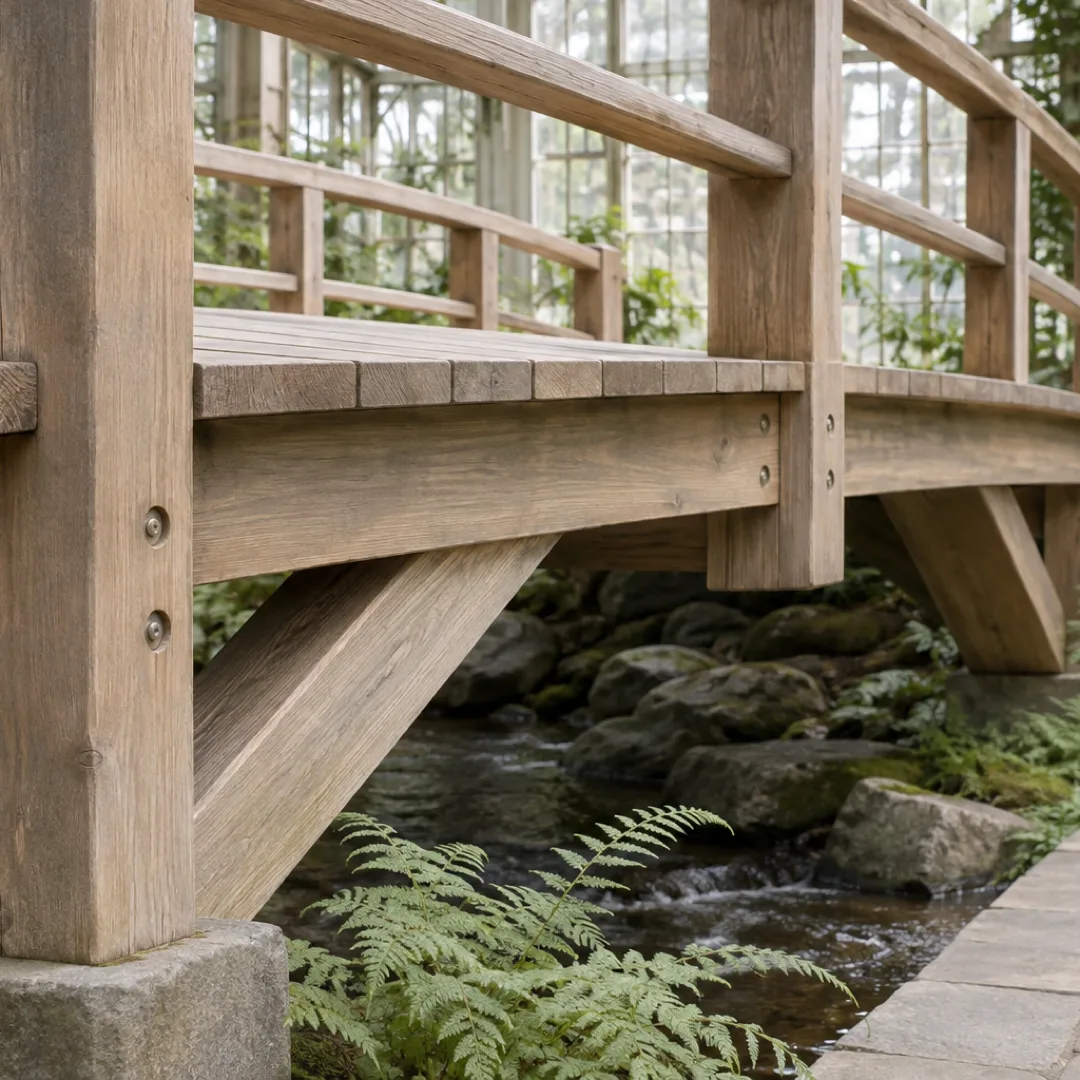
Density is only part of the story. Bone quality, which includes the internal structure and how well the tissue repairs itself, also matters for strength. Think of a bridge: the amount of material counts, but so does the design of the beams. Two people can have similar scan scores and still have different fracture risk.
Common terms you may hear
- Osteopenia: a term for bone density that is lower than typical but not low enough to be called osteoporosis.
- Osteoporosis: a condition in which bones become porous and more fragile, making fractures more likely.
- T-score: the number a DXA scan uses to compare your bone density with that of a healthy young adult reference group.
- Fracture risk: the estimated chance of breaking a bone, which clinicians often judge by combining several factors rather than one scan result.
When Bone Health Starts to Matter More
The Centers for Disease Control and Prevention (CDC) and the NIH both describe bone loss as a common part of aging, and the National Institute on Aging notes that it often speeds up for women around menopause because of falling estrogen levels. Men lose bone too, though usually later and more slowly. That is why the years after 50 are often the point at which doctors start asking about bone health.
Some people have a higher chance of faster bone loss. General risk factors listed by public health agencies include a family history of fractures, a small or thin frame, long-term use of certain medicines such as some corticosteroids, smoking, heavy alcohol use, and certain medical conditions that affect hormones or nutrient absorption. Having one or more of these does not mean bone loss is certain, and having none does not rule it out.
Why bone loss is easy to miss
Bone loss usually causes no symptoms in its early stages. Many people learn about it only after a fracture of the wrist, hip, or spine. That quiet nature is the main reason screening conversations with a healthcare professional exist at all.
Everyday Habits Commonly Linked With Stronger Bones
Public health agencies tend to describe the same handful of lifestyle themes. None of them is a guarantee, and results vary from person to person, but they are widely discussed as part of supporting bone health over time.
Weight-bearing and muscle-strengthening activity
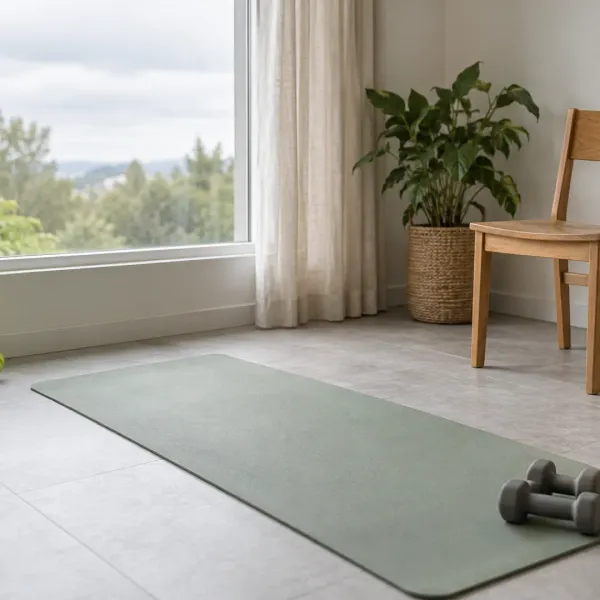
According to the NIH and the National Institute on Aging, activities that make you work against gravity, such as walking, stair climbing, and dancing, are generally considered helpful for bones. Resistance exercise, like working with bands or weights, is often recommended too because stronger muscles pull on bones in ways that may encourage them to stay sturdier. Balance-focused movement, such as tai chi, is frequently mentioned because avoiding falls matters as much as bone strength itself.
If you have had a fracture, have been told you have low bone density, or live with joint or heart problems, it makes sense to ask a clinician or physical therapist which movements fit your situation before changing your routine.
Nutrition for bones
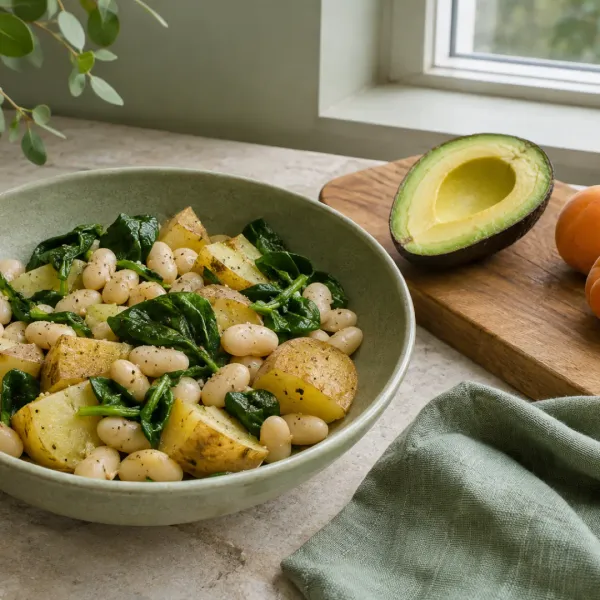
Calcium and vitamin D are the two nutrients most often connected with bone health. The NIH Office of Dietary Supplements explains that calcium is a main building block of bone and that vitamin D helps the body absorb calcium. Food sources commonly mentioned include dairy products, fortified plant milks, leafy green vegetables, canned fish with soft bones, and fortified cereals. Protein and a generally varied diet also play a supporting role.
Supplements are a separate question. Needs differ by age, diet, sun exposure, kidney health, and medicines you already take, and too much of some nutrients can cause problems for certain people. Talk with a pharmacist or doctor before starting any calcium or vitamin D product rather than guessing.
Related reading: B12 Deficiency Symptoms and Food Sources to Know
Lifestyle factors that work against bones
Smoking and heavy alcohol use are repeatedly named by health agencies as habits linked with weaker bones. Very low body weight and long periods of inactivity can also contribute. Cutting back on these is generally seen as one of the more practical steps, although it can be hard, and support from a healthcare provider can help.
Concepts People Often Mix Up
Several ideas get tangled together, and sorting them out prevents needless worry or false comfort.
- Bone density is not the same as osteoporosis. A lower-than-average score is a signal to discuss, not a diagnosis by itself.
- Arthritis is a different issue. Arthritis affects joints, while bone loss affects the bone tissue. They can occur together, but one does not cause the other in a simple way.
- Back pain does not reliably indicate bone loss. Spinal fractures from fragile bones can cause pain, loss of height, or a stooped posture, but plenty of back pain comes from muscles and discs.
- Strong muscles do not replace bone screening. Staying active helps, yet it does not tell you what your scan would show.
- More calcium is not always better. Beyond what the body needs, extra intake may bring downsides for some people, which is why individual guidance matters.
Why This Matters for Real-Life Decisions
Fractures in later life can affect independence, mobility, and recovery time, particularly hip fractures. The NIH and CDC both frame bone health and fall prevention as connected goals for older adults. Strengthening bones and reducing the chance of a fall work together, so home safety, vision checks, and reviewing medicines that cause dizziness are often part of the same conversation.
Signs worth raising with a clinician
Consider booking a visit sooner rather than later if any of the following apply:
- You have broken a bone from a minor fall or bump.
- You notice you are getting shorter or your upper back is rounding.
- You have sudden, severe back pain that is unusual for you.
- You have a family history of hip fracture or osteoporosis.
- You take long-term medicines that may affect bones, or you have a condition that interferes with nutrient absorption.
- You went through early menopause or have had low hormone levels for a long time.
Severe pain after a fall, or inability to bear weight, needs urgent medical attention rather than waiting for a routine appointment.
What a professional can offer that articles cannot
A healthcare provider can decide whether a bone density scan makes sense for you and when, review your risk factors as a whole, and discuss prescription options if they are appropriate. Medicines for bone loss exist, and decisions about them depend on individual risk, other health conditions, and personal preference. Dosing, timing, and side effects are specific to each medicine and each person, so those details belong in a conversation with a clinician or pharmacist.
What Changes in Your Decisions Once You Understand It
Knowing what bone density tips after 50 actually refer to shifts how you act in two practical ways.
- You treat bone health as something to check, not assume. Because bone loss is usually silent, you are more likely to bring up screening, family history, and medicine side effects with a healthcare professional instead of waiting for a fracture to prompt the discussion.
- You judge advice by the whole picture, not a single number or product. A scan score, a supplement, or a single exercise does not settle bone strength on its own, so you look for steady habits in movement, food, and fall prevention, and you ask a pharmacist or doctor before adding anything new.
Disclaimer: This article is for informational purposes only and is not a substitute for professional medical advice, diagnosis, or treatment. Please consult a licensed professional for personal health decisions.