Healthy Snack Swaps for Late Night Cravings That Actually Help
Healthy snack swaps for late night cravings work best when they address why the craving showed up rather than just replacing one food with another. A craving that hits at 11 p.m. is usually a mix of habit, blood sugar dips, boredom, or genuine hunger from an unbalanced dinner. Once you know which one it is, picking a lighter, more balanced option becomes a lot easier instead of feeling like a restriction.
This kind of nighttime eating is extremely common, and it doesn’t automatically mean something is wrong. But the patterns around it — what you reach for, how often, and how you feel afterward — can offer useful clues about sleep, stress, or eating habits worth adjusting.
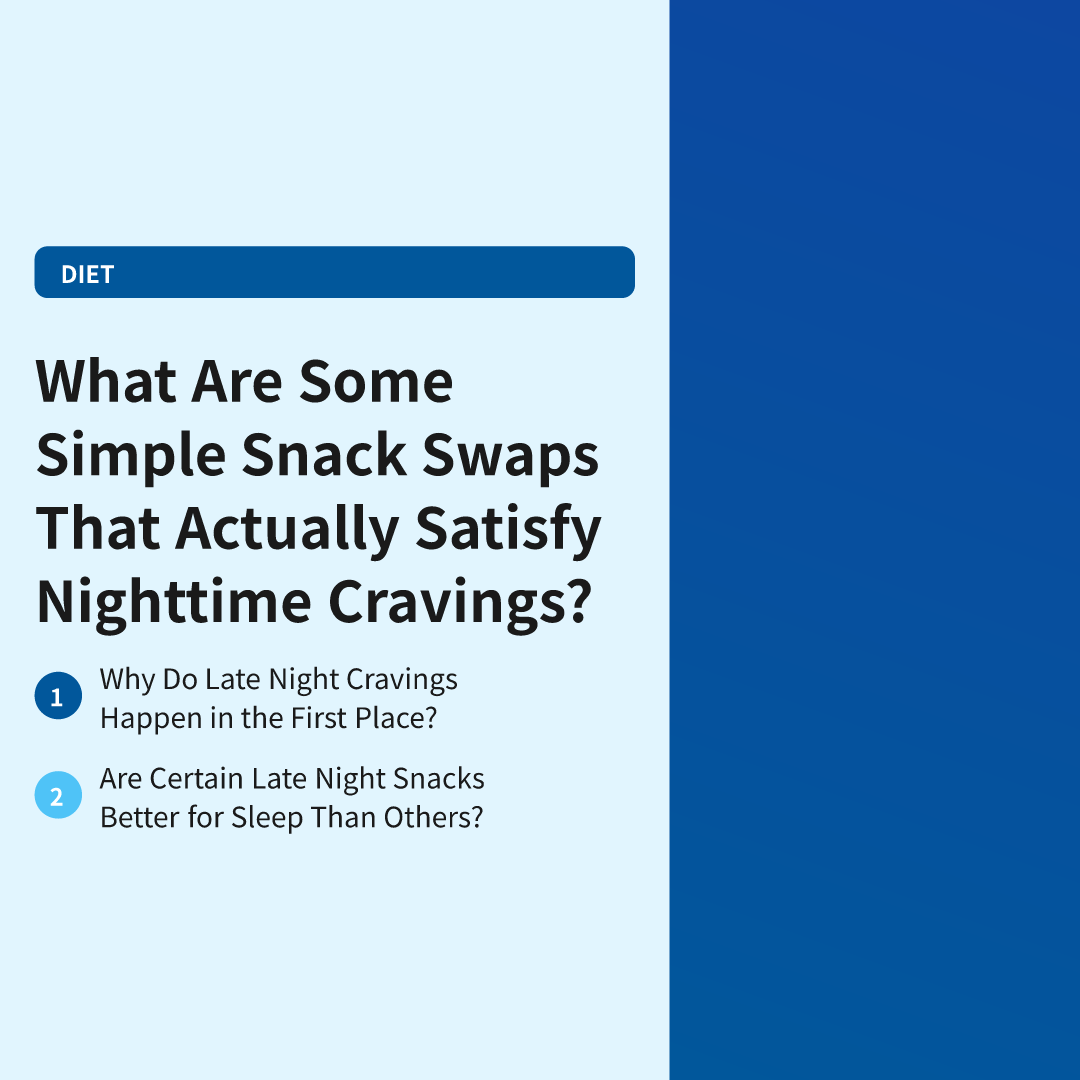
Why Do Late Night Cravings Happen in the First Place?
Late night cravings often come from a combination of habit and biology rather than pure hunger. Screen time, stress, and routine (like snacking during a show) can trigger a craving even when the body doesn’t actually need food.
According to general nutrition guidance, blood sugar swings from a carb-heavy or skipped dinner can also leave you feeling hungry again a few hours later. Fatigue plays a role too — when sleep is short or irregular, appetite-related signals can shift, making salty or sugary foods feel more appealing at night.
It’s worth noting that occasional late night hunger is normal and not something to over-analyze. The concern is more about frequency and intensity than the fact that it happens at all.
What Are Some Simple Snack Swaps That Actually Satisfy Nighttime Cravings?
The most effective healthy snack swaps for late night cravings usually combine a small amount of protein or fiber with something that feels satisfying, rather than cutting volume drastically. This helps curb the craving without leaving you hungrier an hour later.
- Chips craving: plain popcorn or roasted chickpeas instead of potato chips
- Ice cream craving: plain yogurt with a bit of honey or fruit instead of a full bowl of ice cream
- Chocolate craving: a small square of dark chocolate paired with a few nuts
- Something salty and crunchy: cucumber or carrot sticks with hummus
- Sweet and creamy: a frozen banana blended smooth instead of a milkshake
These swaps aren’t about eliminating the craving entirely — they’re about finding something close enough in texture or flavor that it feels like a real answer, not a compromise. Personal preference matters a lot here, so what works for one person may not work for another.
Does Portion Size Matter More Than the Food Itself?
Portion size often matters just as much as what you’re eating, especially late at night. A small, pre-portioned snack tends to satisfy a craving more reliably than an open bag eaten in front of a screen, simply because it’s easier to notice when you’re full.
Are Certain Late Night Snacks Better for Sleep Than Others?
Lighter, lower-sugar snacks are generally considered easier on digestion and sleep than heavy, greasy, or very sugary foods eaten right before bed. Foods high in sugar can cause a quick energy spike followed by a dip, which some people find disruptive to falling or staying asleep.
Some commonly mentioned sleep-friendly options include a small handful of nuts, a banana, or a warm glass of milk, though individual responses vary quite a bit. Spicy, very fatty, or heavily processed snacks are more often linked to discomfort like acid reflux when eaten close to bedtime.
That said, there’s no single food that works the same way for everyone. Some people sleep fine after a heavier snack, while others feel noticeably off after something as simple as chocolate, often due to caffeine content.
Can Late Night Snacking Affect Weight or Blood Sugar Over Time?
Late night snacking itself isn’t inherently harmful, but the type and amount of food, along with overall daily eating patterns, tend to matter more than the timing alone. Frequently eating large, high-calorie snacks late at night on top of regular meals can contribute to weight changes over time, simply through extra calorie intake.
For people managing blood sugar concerns, some general nutrition sources suggest that consistent, well-balanced eating patterns — including thoughtful snack choices — may support more stable blood sugar levels. This is general information, not a specific recommendation, and anyone with diabetes or prediabetes should follow guidance from their own healthcare provider rather than general articles.
It’s also worth being honest that occasional late night snacking, even something less “healthy,” is unlikely to cause harm on its own. Patterns matter far more than single incidents.
When Should Frequent Night Cravings Be a Sign to Talk to a Professional?
Frequent, intense night cravings that feel hard to control, disrupt sleep regularly, or are paired with significant weight changes may be worth discussing with a doctor or registered dietitian. This is especially true if snacking feels driven by anxiety, stress, or emotional triggers rather than physical hunger.
Some warning signs worth paying attention to include:
- Waking up specifically to eat, night after night
- Feeling unable to stop eating once a craving starts
- Significant guilt or distress around nighttime eating
- Ongoing sleep problems alongside frequent late night hunger
These patterns don’t automatically mean a serious condition, but a healthcare professional can help rule out things like irregular blood sugar, sleep disorders, or disordered eating patterns that sometimes look similar on the surface. Self-diagnosing based on internet articles isn’t a substitute for that kind of individual evaluation.
Related reading: Understanding Blood Sugar Levels After Eating for Beginners
Frequently Asked Questions
Is it bad to eat right before bed?
Eating a small, balanced snack shortly before bed isn’t generally considered harmful for most healthy adults, though very heavy or spicy meals close to bedtime may cause discomfort for some people. Individual tolerance varies, so paying attention to how your own body responds is more useful than following a strict rule.
What snacks help stop sugar cravings at night?
Pairing a small amount of natural sweetness — like fruit or a bit of dark chocolate — with protein or fiber, such as nuts or yogurt, is a commonly suggested approach for taking the edge off a sugar craving without a full sugar crash afterward. This isn’t a guaranteed fix, since cravings can also be tied to stress or habit rather than actual sugar need.
How can I tell if I’m actually hungry or just craving something out of habit?
One general approach some nutrition sources suggest is asking whether a plain, simple food like fruit or vegetables sounds appealing; if only a specific food like chips or dessert feels satisfying, it may be more habit or emotional craving than true hunger. This isn’t a perfect test, and it takes some practice to notice the difference over time.
Are late night snacks ever completely off-limits for someone trying to manage their weight?
Very few foods need to be completely off-limits for most people, and overly strict rules can sometimes backfire by making cravings more intense. Working with a registered dietitian can help create a realistic, personalized approach rather than relying on generic do’s and don’ts.
Ultimately, healthy snack swaps for late night cravings are less about finding a single “correct” food and more about noticing patterns, choosing satisfying options in reasonable portions, and knowing when frequent or distressing cravings deserve a conversation with a qualified professional.
Disclaimer: This article is for informational purposes only and is not a substitute for professional medical advice, diagnosis, or treatment. Please consult a licensed professional for personal health decisions.