How Much Deep Sleep Do Adults Actually Need?
Adults do not have a single fixed deep sleep target, and the amount that is "enough" varies from person to person. Deep sleep is one stage of a night's rest, and most healthy adults get it without trying, as part of a full night of sleep. Because the question of how much deep sleep adults actually need keeps coming up, it helps to separate what is generally understood from what wearable gadgets seem to promise.
Part of the reason people ask is the rise of smartwatches, rings, and sleep apps that report nightly "deep sleep" scores. Seeing a chart with a label like "low" can feel alarming, even when you woke up feeling fine. The sections below explain what deep sleep is, why it differs between people, and which misunderstandings tend to cause needless worry.
Where the Deep Sleep Question Comes From
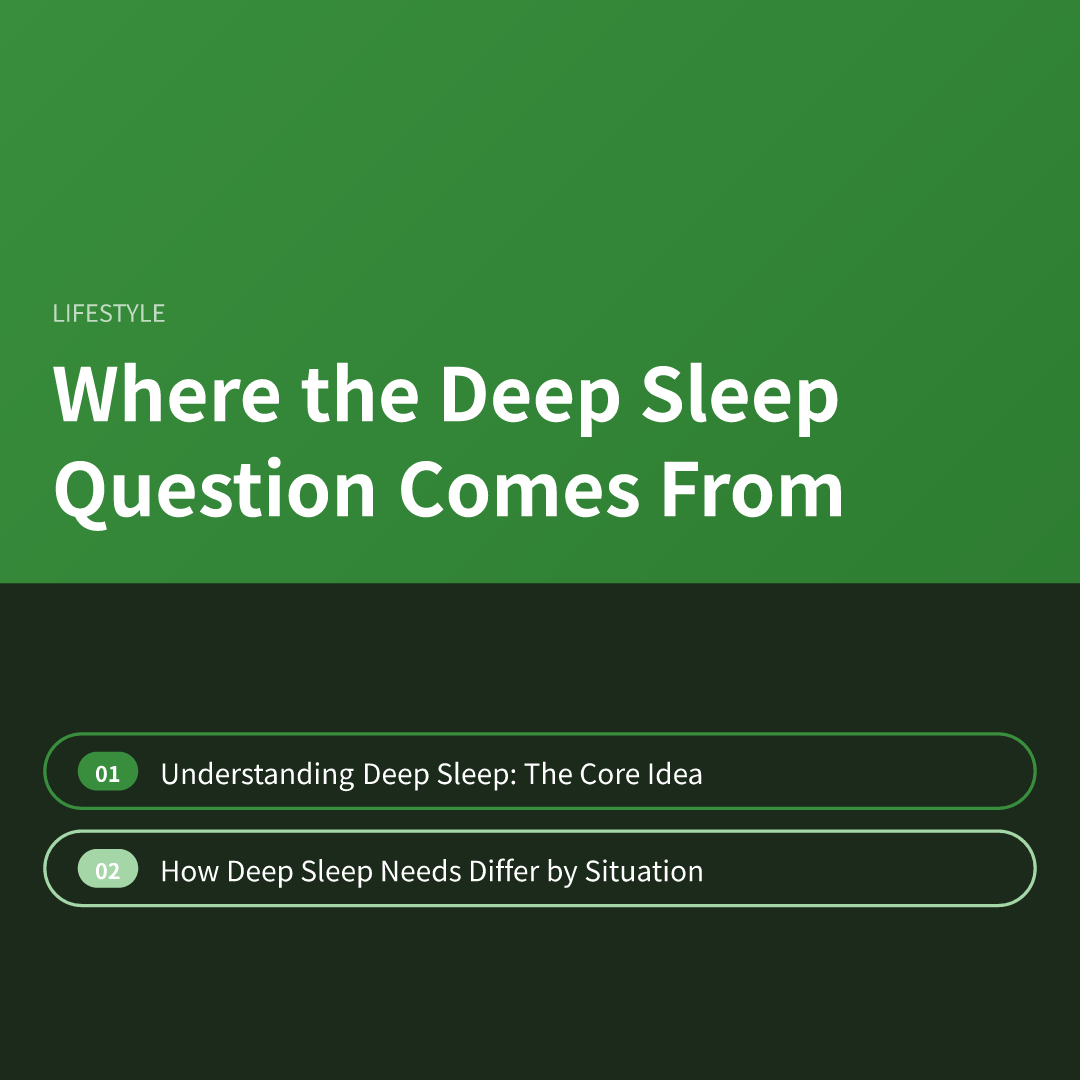
Most people first meet the idea of deep sleep through a device, a magazine article, or a conversation about feeling tired despite "enough" hours in bed. Sleep tracking has made nightly data easy to see, but it has also made it easy to over-interpret. A number on a screen can start to feel like a grade, and people begin chasing a score instead of paying attention to how they feel.
A typical scenario: the tracker that says "not enough"
Imagine a person in their mid-thirties who wears a fitness watch to bed. One morning the app flags their deep sleep as below average, even though they slept through the night and feel alert. They start wondering whether something is wrong, and they begin searching for ways to "boost" it.
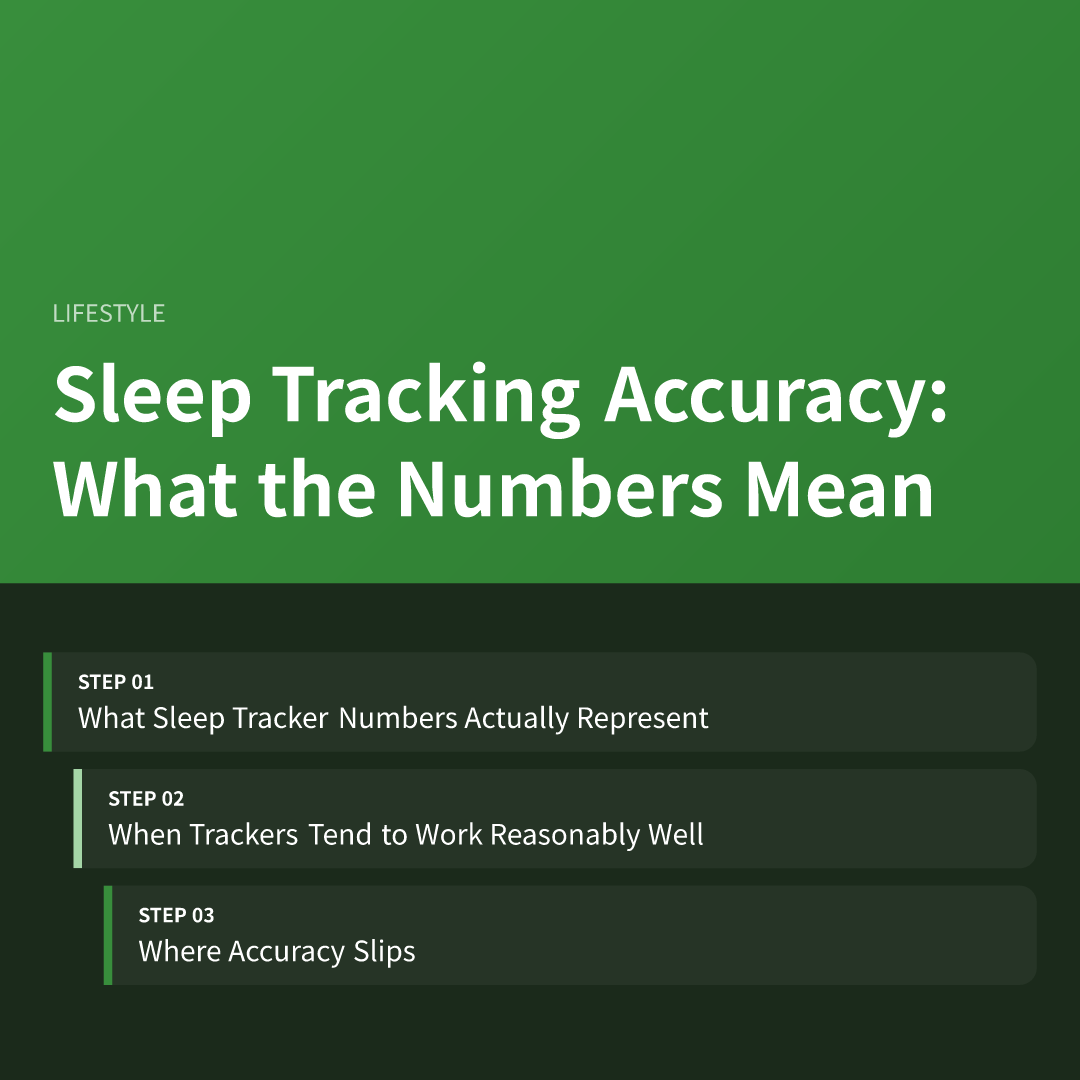
This is a common situation. Consumer devices generally estimate sleep stages from movement and heart rate rather than measuring brain activity directly. According to the National Institutes of Health general guidance on sleep, the most reliable way to assess sleep stages is a formal sleep study conducted in a clinical setting, which is a different thing from a wrist-worn estimate.
A second scenario: tired despite a full night
Now picture someone in their fifties who spends a regular amount of time in bed but still wakes up unrefreshed. They wonder whether they are missing deep sleep. In this case, the more useful question is usually about overall sleep quality, not one stage alone. Things like snoring, frequent waking, stress, or an irregular schedule can all affect how rested a person feels.
Understanding Deep Sleep: The Core Idea
Sleep moves through repeating cycles that include lighter stages, deeper stages, and a stage associated with vivid dreaming. Deep sleep, sometimes called slow-wave sleep, is the stage in which the body is hardest to wake and brain activity slows noticeably. The Centers for Disease Control and Prevention (CDC) and the National Institutes of Health both describe sleep as an active process in which different stages play different roles.
What deep sleep is thought to do
Deep sleep is generally associated with physical restoration and with helping the brain process and store information. Researchers continue to study exactly how these functions work, and many details are still being worked out. It is reasonable to say that deep sleep appears to matter, but it is not reasonable to claim that a precise amount guarantees a particular benefit.
Why there is no single number
Public health agencies such as the CDC give general guidance about total sleep time for adults, and that guidance is about the whole night, not about any one stage. Deep sleep is usually described as a portion of total sleep, and that portion tends to be larger earlier in the night and to shrink gradually as the night goes on. It also tends to decline naturally as people get older, which is a normal pattern rather than a problem in itself.
Because of this, there is no widely agreed "required" amount of deep sleep that applies to every adult. Individual makeup, age, recent sleep loss, physical activity, and health conditions can all shift the picture. A person who has been short on sleep for several nights may spend more of the next night in deep sleep as the body catches up.
How Deep Sleep Needs Differ by Situation
Deep sleep is not constant. It shifts with age, habits, health, and circumstances, which is why comparing your numbers with a friend's or with an app's "average" often misleads.
Age and life stage
Younger adults generally spend more time in deep sleep than older adults, and the amount tends to decrease gradually over the years. This is considered a normal part of aging, though people who notice big changes in how rested they feel should mention it to a clinician. Pregnancy, shift work, and caring for young children can also change sleep patterns in ways that are temporary or situational.
Habits that may influence sleep quality
Several everyday factors are commonly linked with how well people sleep overall. According to the CDC and the National Institutes of Health, a consistent sleep schedule, a dark and quiet bedroom, and limiting caffeine later in the day are widely suggested habits for better sleep. Alcohol is another factor many people overlook, since it may make it easier to fall asleep but can disrupt rest later in the night.
- Regular timing: Going to bed and waking at similar times is often associated with steadier sleep.
- Physical activity: Many people find that regular movement during the day supports better rest, though individual responses differ.
- Evening routines: Winding down away from bright screens may help some people settle more easily.
- Stress and mood: Ongoing worry or low mood can interfere with sleep, and these deserve attention in their own right.
Health conditions and medications
Certain conditions, such as sleep apnea, restless legs, chronic pain, or mood disorders, can interfere with sleep and may reduce time spent in deeper stages. Some medications can also affect sleep. If you take any medicine or supplement and suspect it is affecting your sleep, ask a pharmacist or doctor before changing anything. Do not adjust prescribed medicines on your own.
Related reading: Blue Light and Sleep Quality: What Really Matters
Common Misunderstandings About Deep Sleep
"My tracker says I am low, so something is wrong"
Wearable readings are estimates, and different devices can give different answers for the same night. A low reading on its own is not a diagnosis. How you feel during the day, whether you function well, and whether you have other symptoms usually say more than a single chart.
"More deep sleep is always better"
It is tempting to treat deep sleep as a number to maximize. But sleep works as a whole, and the lighter stages and dreaming stage have their own roles. Chasing one stage can lead to anxiety about sleep, which can itself make rest worse.
"A supplement or gadget can fix it"
Many products promise to increase deep sleep, but strong evidence for most of them is limited, and results vary from person to person. Before using any sleep aid or supplement, it is wise to talk with a pharmacist or doctor, particularly if you take other medicines or have a health condition. The U.S. Food and Drug Administration (FDA) notes that dietary supplements are not reviewed in the same way as medicines, which is one reason a professional's input is worthwhile.
"If I wake up at night, I lost my deep sleep"
Brief awakenings are common and often go unnoticed. Waking briefly does not necessarily mean the night was poor. Persistent trouble falling back asleep, though, is worth paying attention to.
When to Talk With a Professional
Concern about a number on an app is usually not a reason for alarm. But certain patterns deserve a conversation with a doctor or a sleep specialist.
- Feeling very sleepy during the day despite spending enough time in bed.
- Loud snoring, gasping, or pauses in breathing noticed by a partner.
- Trouble falling or staying asleep that continues for weeks.
- Mood changes, difficulty concentrating, or safety concerns such as drowsiness while driving.
- Unusual behaviors during sleep, such as frequent sleepwalking or acting out dreams.
A clinician can ask about your history, review medications, and decide whether a formal sleep evaluation makes sense. That is the appropriate route for understanding your actual sleep stages, rather than relying on a consumer device.
Bottom Line: What to Take Away
The honest answer to how much deep sleep adults actually need is that there is no single agreed figure, and the right amount differs by age, health, and circumstances. Focusing on overall sleep quality, steady routines, and how you feel during the day is generally more useful than chasing a stage-by-stage score.
- Deep sleep matters, but no universal target applies to every adult, and it naturally declines with age.
- Consumer trackers estimate sleep stages and should not be treated as a diagnosis.
- Persistent tiredness, loud snoring, or long-lasting sleep trouble is a good reason to see a qualified professional.
Disclaimer: This article is for informational purposes only and is not a substitute for professional medical advice, diagnosis, or treatment. Please consult a licensed professional for personal health decisions.