How Much Protein Do Adults Need Daily
The standard recommendation suggests adults need 0.8 grams of protein per kilogram of body weight daily, but this baseline doesn’t account for activity level, age, or individual health goals. Most active adults benefit from 1.2 to 2.0 grams per kilogram, while older adults may need closer to 1.2 grams minimum to preserve muscle mass. Understanding your personal protein needs requires looking beyond simple formulas to consider lifestyle, metabolism, and long-term health priorities.
Why Protein Requirements Matter More Than You Think
Protein serves as the structural foundation for every cell in your body, from muscle tissue to enzymes, hormones, and immune cells. Unlike carbohydrates and fats, your body cannot store excess protein for later use, making consistent daily intake essential. The 0.8 g/kg recommendation was established decades ago as a minimum to prevent deficiency diseases, not as an optimal target for health and vitality.
Recent nutrition research suggests many adults fall into a gap between preventing deficiency and supporting optimal function. A sedentary 70-kilogram adult needs about 56 grams daily by the basic formula, but someone of the same weight who exercises regularly may need 84 to 140 grams. This wide range explains why generic advice often feels inadequate—your protein needs are genuinely individual.
The timing and distribution of protein throughout the day also influence how effectively your body uses it. Consuming 20 to 30 grams per meal appears more effective for muscle protein synthesis than eating most of your protein at dinner, a pattern common in Western diets.
Calculating Your Personal Protein Target
Start with your body weight in kilograms (divide pounds by 2.2). For a baseline calculation, multiply by 0.8 if you’re sedentary, 1.2 to 1.6 if moderately active, and 1.6 to 2.2 if you engage in regular strength training or endurance sports. A 150-pound (68 kg) moderately active adult would target roughly 82 to 109 grams daily.
These ranges account for protein quality variations in real diets. Animal proteins provide all essential amino acids in proportions that closely match human needs, while most plant proteins require combining different sources throughout the day. If your diet is predominantly plant-based, aiming for the higher end of your range helps ensure adequate amino acid intake.
Body composition matters more than total weight for protein calculation. Someone carrying significant excess body fat doesn’t need protein based on their total weight—using a goal weight or lean body mass provides a more accurate target. A 200-pound person aiming to reach 170 pounds should calculate protein needs around 170 pounds, not current weight.
Health conditions can shift requirements considerably. People recovering from surgery or illness, managing chronic conditions, or experiencing muscle loss need to discuss targets with healthcare providers. Kidney disease requires careful protein management, making professional guidance essential rather than optional.
How Activity Level Changes Your Protein Needs
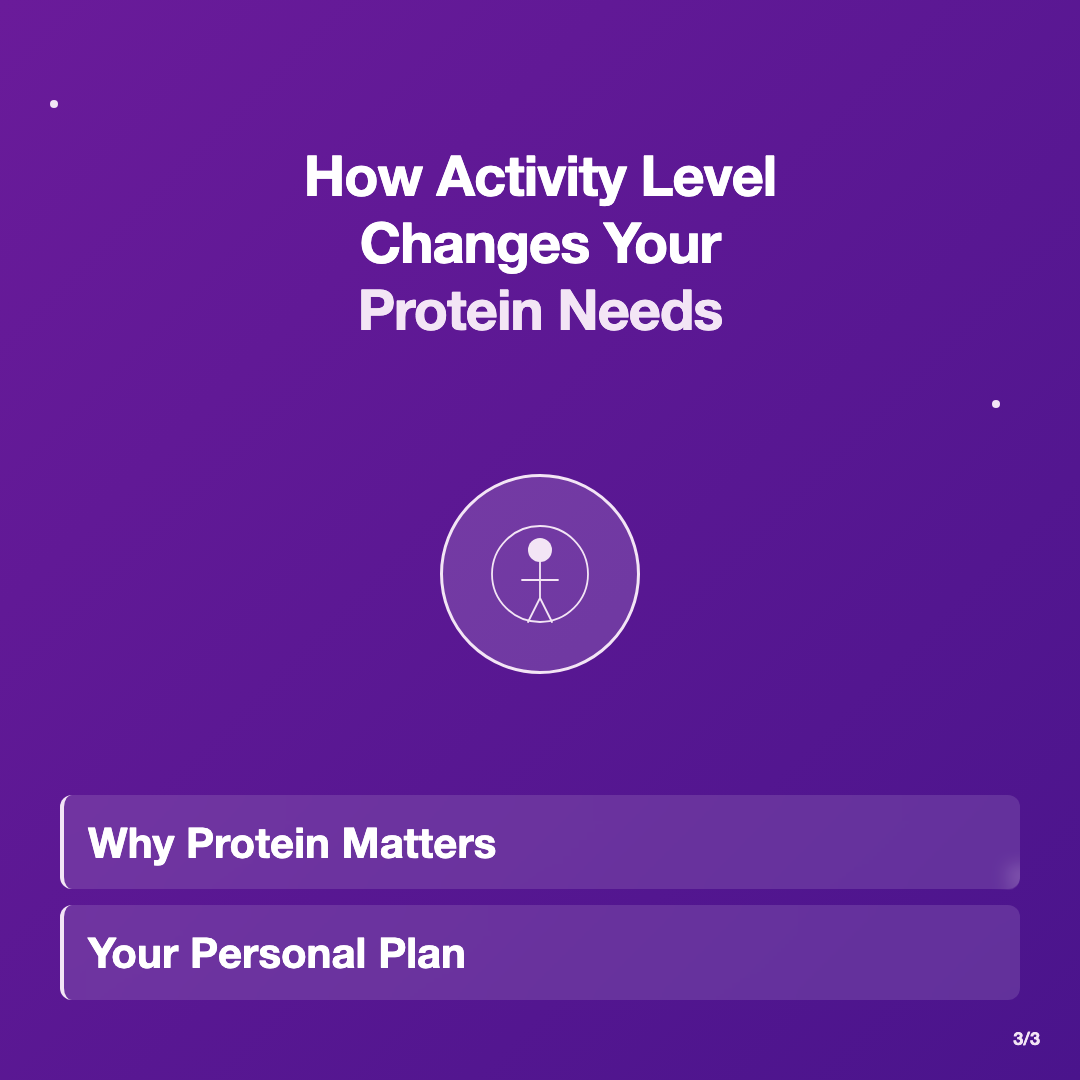
Strength training creates the highest protein demands because resistance exercise causes micro-tears in muscle fibers that require amino acids for repair and growth. Athletes engaged in regular weightlifting or bodyweight training benefit from 1.6 to 2.2 grams per kilogram, distributed across meals following workouts.
Endurance activities like running, cycling, or swimming also increase protein needs, though less dramatically than strength work. Endurance athletes typically need 1.2 to 1.6 grams per kilogram to support recovery, maintain lean mass during high training volumes, and replace amino acids used for energy during prolonged exercise.
Recreational exercisers—people who walk daily, attend fitness classes a few times weekly, or play recreational sports—fall somewhere between sedentary and athlete ranges. A target of 1.2 to 1.4 grams per kilogram usually supports these moderate activity levels without excess.
Rest days don’t mean protein needs disappear. Muscle repair and adaptation continue for 24 to 48 hours after exercise, so maintaining consistent protein intake throughout the week matters more than timing it precisely around workouts. The “anabolic window” immediately post-exercise exists but is less critical than once believed if you eat protein regularly throughout the day.
Age-Related Protein Considerations
Adults over 50 face a phenomenon called anabolic resistance, where muscles become less responsive to the muscle-building signals from protein intake. This doesn’t mean protein becomes useless—it means older adults need more protein per meal to achieve the same muscle protein synthesis as younger adults.
Research suggests adults over 65 should target at least 1.0 to 1.2 grams per kilogram as a baseline, with 25 to 30 grams per meal rather than the 20 grams often sufficient for younger adults. This higher per-meal amount helps overcome the blunted response and supports muscle preservation against age-related sarcopenia.
Appetite often decreases with age, making it challenging to consume adequate protein alongside other nutrients. Prioritizing protein-rich foods earlier in meals, when appetite is strongest, and choosing nutrient-dense options helps meet needs without excessive volume. Greek yogurt, eggs, fish, and legumes provide substantial protein in relatively small portions.
Older adults taking multiple medications or managing chronic conditions should discuss protein intake with healthcare providers. Some medications affect protein metabolism, while certain conditions require modified protein levels. Individual medical context always takes precedence over general guidelines.
Protein Quality and Food Sources
Complete proteins contain all nine essential amino acids in adequate amounts. Animal sources—meat, poultry, fish, eggs, and dairy—are complete proteins with high bioavailability, meaning your body can efficiently use the amino acids they provide. A 3-ounce serving of chicken breast provides about 26 grams of highly usable protein.
Plant proteins are often incomplete, lacking or low in one or more essential amino acids. Combining different plant sources throughout the day—beans with rice, hummus with whole-grain bread, peanut butter on whole-wheat toast—creates complete amino acid profiles. Soy, quinoa, and buckwheat are exceptions, providing complete plant proteins.
Protein digestibility varies by source. Animal proteins typically have digestibility scores of 90% or higher, while many plant proteins range from 70% to 90%. This doesn’t make plant proteins inadequate, but it does mean plant-based eaters benefit from aiming toward higher intake targets to compensate for lower digestibility.
Practical protein portions include: one large egg (6g), one cup of milk (8g), 3 ounces of meat or fish (21-26g), one cup of cooked lentils (18g), half cup of cottage cheese (14g), and one ounce of nuts (4-7g depending on type). Building meals around these portions makes reaching daily targets straightforward without tracking every gram.
Distribution Throughout the Day
Your body can only use a certain amount of protein for muscle synthesis at one time, with excess amino acids redirected to energy production or converted to other compounds. Consuming 20 to 40 grams per meal, three to four times daily, optimizes muscle protein synthesis better than eating 100 grams at dinner and minimal amounts earlier.
Breakfast often becomes the overlooked protein meal, with many people consuming carbohydrate-heavy options like cereal, toast, or pastries. Starting the day with 20 to 30 grams of protein—eggs, Greek yogurt, protein smoothies, or leftover dinner proteins—supports stable blood sugar and provides amino acids after the overnight fast.
Pre-sleep protein, particularly casein from dairy products like cottage cheese, provides slow-releasing amino acids during overnight muscle repair. This timing strategy may benefit people focused on muscle building or preservation, though it’s not essential for general health if daily totals are adequate.
Snacks can contribute meaningful protein when chosen thoughtfully. Greek yogurt, string cheese, hard-boiled eggs, edamame, or protein bars help bridge gaps between meals. Relying entirely on snacks for protein often leads to lower-quality amino acid profiles compared to building protein into main meals.
Common Misconceptions About Protein Intake
Myth 1: High Protein Damages Healthy Kidneys
No evidence suggests protein intake within the ranges discussed here harms healthy kidneys. This concern stems from recommendations for people with existing kidney disease to limit protein. If your kidneys function normally, consuming 1.6 to 2.2 grams per kilogram doesn’t create kidney problems. However, people with diagnosed kidney conditions should follow their healthcare provider’s specific protein recommendations.
Myth 2: You Need Protein Immediately After Exercise
The “30-minute anabolic window” has been overstated. While consuming protein within a few hours of exercise supports recovery, the exact timing is less critical than once believed, especially if you eat protein regularly throughout the day. Total daily intake matters more than precise post-workout timing for most recreational exercisers.
Myth 3: Plant Proteins Are Inferior
Plant proteins require more attention to variety and quantity but are not inherently inferior. Combining different plant sources, eating slightly more total protein, and including complete plant proteins like soy addresses the limitations. Many plant-based athletes maintain excellent muscle mass and performance on well-planned diets.
Professional Recommendations for Different Goals
For general health maintenance: Target 1.0 to 1.2 grams per kilogram of body weight, distributed across three meals. Focus on whole food sources, include both animal and plant proteins if not following a restricted diet, and prioritize protein at breakfast to establish consistent daily patterns.
For muscle building: Aim for 1.6 to 2.2 grams per kilogram, with 25 to 40 grams per meal. Time one protein serving within a few hours of strength training. Consider a pre-sleep protein source. Track intake for several weeks to ensure you’re consistently meeting targets, as estimating often leads to underconsuming.
For weight management: Higher protein intake (1.4 to 2.0 g/kg) supports satiety and helps preserve muscle mass during calorie restriction. Protein requires more energy to digest than carbohydrates or fats, providing a small metabolic advantage. Prioritize lean protein sources to manage calorie intake while meeting protein goals.
For older adults: Target at least 1.2 grams per kilogram with 25 to 30 grams per meal. Spread intake evenly across the day rather than concentrating it at dinner. Include resistance exercise twice weekly to maximize protein’s muscle-preserving benefits. Consider working with a dietitian if appetite is poor or medical conditions complicate intake.
For plant-based eaters: Aim for 1.2 to 1.6 grams per kilogram to account for lower digestibility of some plant proteins. Combine complementary proteins throughout the day—legumes with grains, seeds with vegetables. Include complete plant proteins like soy, quinoa, or hemp seeds regularly. Track intake initially to ensure you’re meeting targets without relying on supplements.
Frequently Asked Questions
Can you eat too much protein?
Extremely high protein intake—consistently above 2.5 grams per kilogram—may displace other important nutrients and provide no additional benefit for most people. Your body converts excess amino acids to energy or other compounds rather than building unlimited muscle. Balanced intake within the ranges discussed supports health goals without risks associated with extreme consumption. People with kidney disease, liver disease, or certain metabolic conditions should discuss upper limits with healthcare providers.
Do protein supplements work as well as food?
Quality protein supplements provide the same amino acids as whole foods and support muscle synthesis effectively. However, whole foods offer additional nutrients—vitamins, minerals, fiber—that supplements lack. Using supplements to bridge gaps is practical, but relying on them as your primary protein source means missing out on the broader nutritional package real foods provide. A combination approach—mostly whole foods with occasional supplement use for convenience—works well for most people.
How quickly can you digest and use protein?
Your body digests and absorbs different proteins at varying rates. Whey protein digests quickly, within 1 to 2 hours, while casein and whole food proteins digest more slowly over 3 to 4 hours. This doesn’t mean fast-digesting proteins are better—the slower release from whole foods provides sustained amino acid availability. Your body can process roughly 20 to 40 grams of protein per meal for muscle synthesis, with individual variation based on body size and muscle mass.
Does protein timing matter for fat loss?
Protein timing has minimal direct impact on fat loss compared to total daily intake and calorie balance. However, eating protein at breakfast and throughout the day supports appetite control and energy stability, which indirectly helps maintain the calorie deficit needed for fat loss. The thermic effect of protein—energy required to digest it—provides a small metabolic advantage regardless of timing. Focus on consistent daily totals rather than obsessing over precise meal timing.
Should pregnant or breastfeeding women increase protein intake?
Pregnancy increases protein needs by about 25 grams daily above baseline, particularly in the second and third trimesters when fetal growth accelerates. Breastfeeding requires an additional 20 to 25 grams daily to support milk production. These increases are moderate and achievable through food—an extra serving of Greek yogurt and a slightly larger portion of protein at dinner typically covers the additional need. Pregnant and breastfeeding women should discuss specific targets with their healthcare provider or a registered dietitian, as individual circumstances vary.
Taking Action on Your Protein Goals
Understanding how much protein adults need provides a foundation, but implementation determines results. Start by tracking your current intake for three to five days without changing habits—this baseline reveals whether you’re meeting, exceeding, or falling short of appropriate targets. Many people discover they eat adequate total protein but distribute it unevenly, consuming minimal amounts at breakfast and lunch while overloading at dinner.
Once you know your starting point, make gradual adjustments rather than overhauling your entire diet overnight. Add a protein source to breakfast if you currently skip it. Include a palm-sized portion of protein at lunch. Adjust dinner portions if you’re concentrating most protein there. Small, sustainable changes compound into significant improvements in how you feel and function.
Reevaluate your targets when circumstances change—starting a new exercise program, entering a different life stage, managing health conditions, or shifting dietary patterns. Protein needs aren’t static throughout life. What worked in your thirties may need adjustment in your fifties. Regular check-ins with how you feel, your energy levels, recovery from exercise, and body composition help you fine-tune intake beyond formulas.
Remember that protein works synergistically with other nutrients. Adequate carbohydrates spare protein from being used for energy, allowing it to fulfill structural and functional roles. Healthy fats support hormone production that influences protein metabolism. Vitamins and minerals serve as cofactors in countless processes involving amino acids. A balanced diet supports protein utilization more effectively than protein alone.
Disclaimer: This article is for informational purposes only and is not a substitute for professional medical advice, diagnosis, or treatment. Please consult a licensed professional for personal health decisions.
📚 References
The official and high-authority sources below can help readers verify the context safely.