How Room Temperature Affects Sleep Quality
You climb into bed exhausted, but the room feels stuffy, so you kick off the blanket, then pull it back on, then flip the pillow for the cooler side. Around 2 a.m. you are wide awake and wondering whether the thermostat is to blame. In general, how room temperature affects sleep quality comes down to your body's natural cooling cycle: many people sleep more comfortably in a bedroom that feels cool rather than warm, though the ideal setting varies from person to person.
Temperature is only one piece of a bigger sleep picture, alongside light, noise, stress, caffeine, and routine. Still, it is one of the easier pieces to adjust. Here is what is generally understood, where the exceptions are, and when it makes sense to bring in a professional.
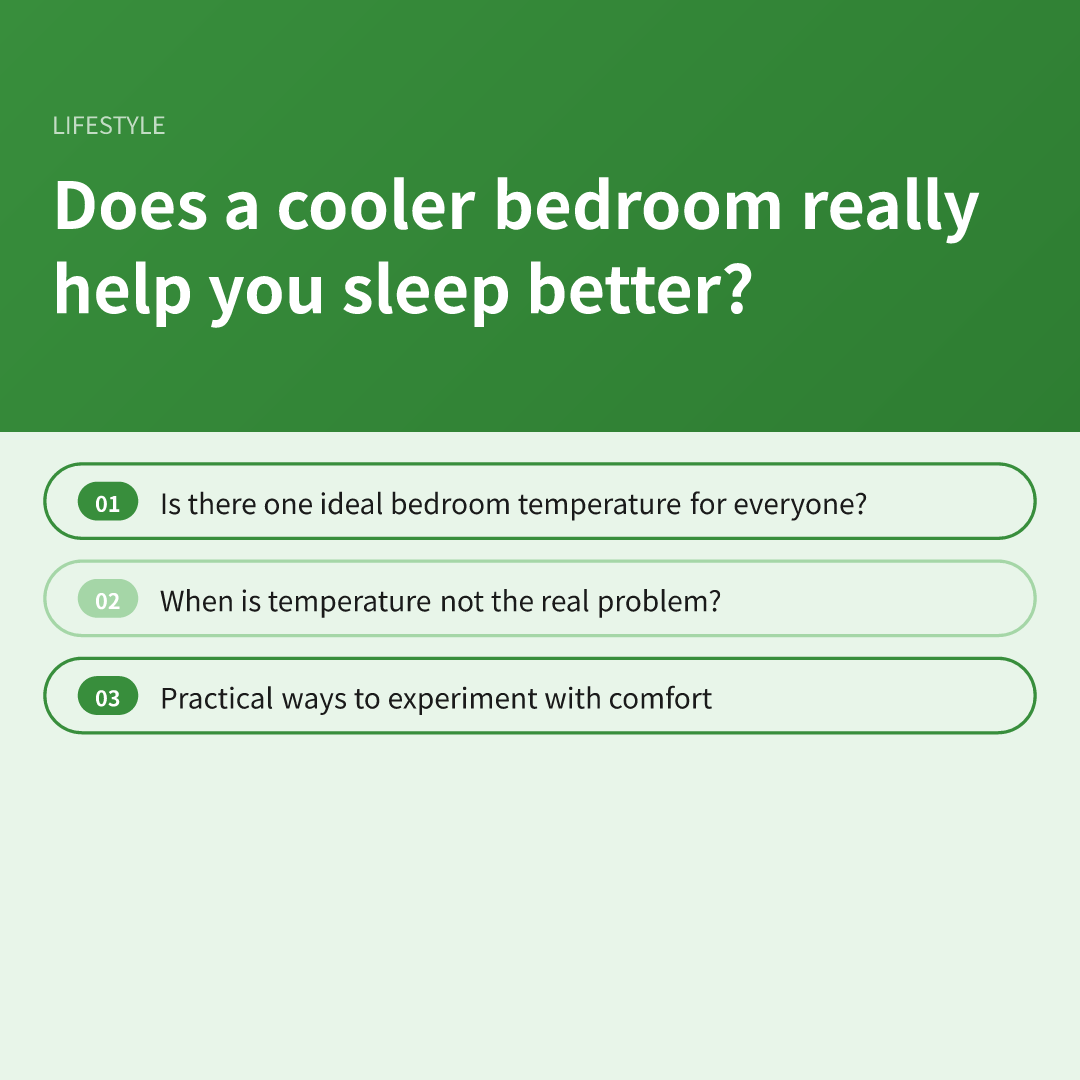
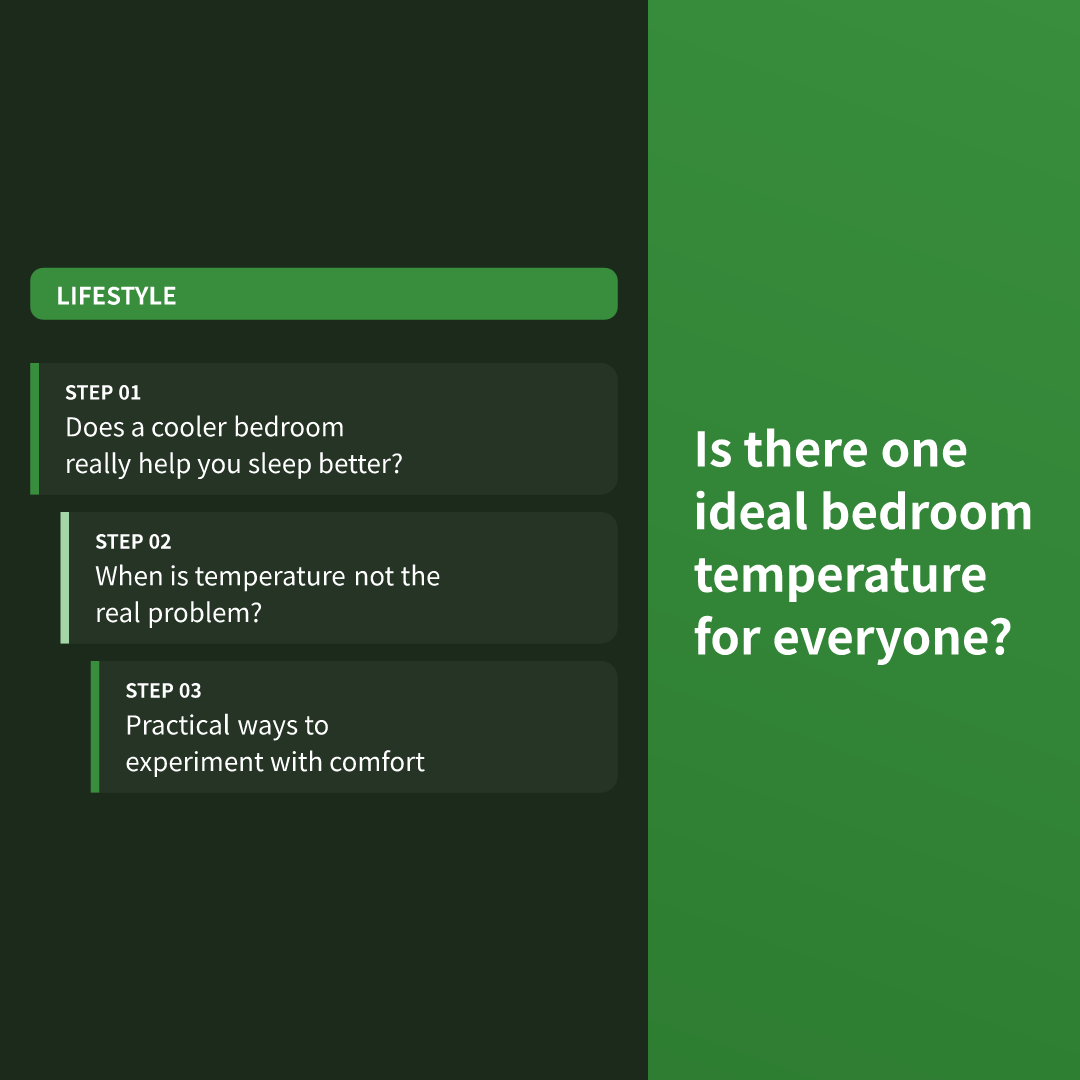
Does a cooler bedroom really help you sleep better?
For many people, yes, a bedroom on the cooler side tends to support more comfortable sleep. The body's core temperature naturally drifts downward in the evening as part of the signal that it is time to rest. A very warm room can work against that process, while a comfortably cool room tends to fit with it.
According to the National Institutes of Health and the National Sleep Foundation's general guidance, a cool, dark, quiet bedroom is commonly suggested as part of good sleep habits. Notice the word "cool," not "cold." Most guidance stays deliberately broad, because comfort depends on bedding, sleepwear, body size, age, and personal preference.
What happens when the room runs warm
When a bedroom is too warm, people often report restless sleep, more tossing and turning, and waking up sweaty or uncomfortable. Some research summarized by public health bodies suggests that heat can make it harder to fall asleep and stay asleep, particularly during hot weather or heat waves. Humidity can make this worse, since sweat evaporates less easily and the body struggles to shed heat.
This is one reason sleep can feel worse in summer, especially in homes without air conditioning. If the room stays warm overnight, the body has fewer chances to cool down the way it prefers.
What happens when the room runs too cold
Cold is not automatically better. A room that is chilly enough to make you tense up, curl tightly, or wake up shivering can disrupt sleep too. Your body spends effort staying warm, and that can pull you out of deeper rest.
The goal is a room that feels comfortable under your bedding, not one that feels like a refrigerator. Many people find the sweet spot is a cooler room paired with enough blankets to adjust through the night.
Is there one ideal bedroom temperature for everyone?
No single number works for everyone, and that is the honest answer. Guidance from sleep-focused organizations usually describes a general range that feels cool to most adults, but individual comfort shifts with many factors. Treat any suggested range as a starting point to test, not a rule.
The U.S. Centers for Disease Control and Prevention (CDC) lists a comfortable, relaxing bedroom environment among its general sleep hygiene suggestions, without promising a particular outcome. In practice, that means you are the best judge of what feels right, with a bit of experimenting.
Factors that change what feels comfortable
- Bedding and sleepwear: Heavy comforters and flannel pajamas trap heat, while lightweight, breathable fabrics let it escape. A cooler room with warmer bedding can feel very different from a warm room with a thin sheet.
- Mattress and pillow materials: Some foam products hold heat close to the body, while others are designed to breathe more. Reactions vary, so what suits one sleeper may not suit another.
- Sleeping partners and pets: Another body in the bed adds warmth, and partners often disagree on the thermostat. Separate blankets or layered bedding can sometimes bridge the gap.
- Season and climate: Your body adapts to what it is used to. Someone living in a hot climate may find a different setting comfortable than someone in a cold one.
- Humidity and airflow: Air that feels sticky can seem warmer than the thermometer says. A gentle fan or open window, where practical and safe, can change how the same temperature feels.
Why preferences change with age and life stage
Comfort needs can shift over a lifetime. Infants and older adults, for example, may handle temperature extremes differently than healthy younger adults, and hormonal changes, such as those around menopause, are often linked with night sweats and heat sensitivity. Pregnancy can also make some people feel warmer than usual.
Because of this, a setting that worked well a few years ago may not feel right now. If you are caring for a baby or an older relative, general guidance from pediatric or geriatric health organizations and a conversation with their clinician are better guides than any generic number.
When is temperature not the real problem?
If you have adjusted the room and still sleep poorly, temperature may not be the main cause. Persistent trouble falling asleep, staying asleep, or feeling rested can have many sources, including stress, schedule, caffeine, alcohol, screen use, pain, and medical conditions. A cooler bedroom may help comfort, but it is not a stand-alone fix for ongoing sleep problems.
According to the National Heart, Lung, and Blood Institute and MedlinePlus general guidance, ongoing sleep difficulty is worth discussing with a healthcare professional, because conditions such as sleep apnea, restless legs, thyroid issues, or mood concerns can affect rest. Results from simple home changes vary, and they should not delay getting checked when something seems off.
Signs it is worth talking to a professional
- Sleep trouble that continues for weeks despite comfortable conditions
- Loud snoring, gasping, or pauses in breathing noticed by a partner
- Frequent drenching night sweats, especially alongside other unexplained symptoms
- Heavy daytime sleepiness that affects driving, work, or mood
- Feeling unusually hot or cold at night with no clear reason
A clinician can sort out whether the issue is environmental, behavioral, or medical. If you take any medicine or supplement, ask a pharmacist or doctor whether it could affect body temperature or sleep rather than changing anything on your own.
Safety notes when adjusting your sleep space
Temperature changes should never come at the cost of safety. Space heaters, electric blankets, and fans can create fire or overheating risks if misused, so follow the manufacturer's instructions and local safety guidance. For babies, the U.S. Consumer Product Safety Commission and the American Academy of Pediatrics offer general safe-sleep guidance, including avoiding overheating, and a pediatrician is the right person to ask about specifics.
People who are sensitive to heat or cold because of age, illness, or medication should be especially careful during extreme weather. If a room cannot be kept at a safe, comfortable level, local public health agencies often share cooling or warming resources.
Practical ways to experiment with comfort
Small, gradual changes are usually easier to evaluate than big ones. Try adjusting one thing at a time, such as bedding weight or the thermostat, and notice how you feel over several nights rather than judging by a single night. Sleep naturally varies, so one rough night does not prove much.
Some people find a warm shower earlier in the evening helps them feel relaxed, since the body cools afterward. Others prefer breathable cotton or linen, a lighter blanket, or keeping the bedroom door open for airflow. None of these is guaranteed to work, and what helps one person may do little for another.
Frequently asked questions
Should I keep my feet warm even if the room is cool?
Many people find that warm feet help them feel comfortable and drift off, even in a cooler room. Socks or a blanket over the feet are common choices, though some sleepers overheat that way. Personal comfort is the best guide, and persistent cold hands or feet are worth mentioning to a healthcare professional.
Do fans and white noise change how temperature feels?
Moving air can make a room feel cooler by helping sweat evaporate, and the steady sound of a fan can also mask background noise. That combination is why many people like fans in warm weather. Keep fans and cords safe and stable, and consider dust or allergies if airflow bothers your nose or throat.
Is it a problem if my partner and I want different temperatures?
It is very common and not a sign that either person is doing something wrong. Separate blankets, different sleepwear, or bedding with layers can let each person adjust without changing the whole room. If the disagreement keeps affecting both people's sleep, a conversation with a clinician about each person's comfort needs may help.
Disclaimer: This article is for informational purposes only and is not a substitute for professional medical advice, diagnosis, or treatment. Please consult a licensed professional for personal health decisions.
Related reading: Blue Light and Sleep Quality: What Really Matters