Antioxidant Rich Foods for Healthy Aging: What to Know
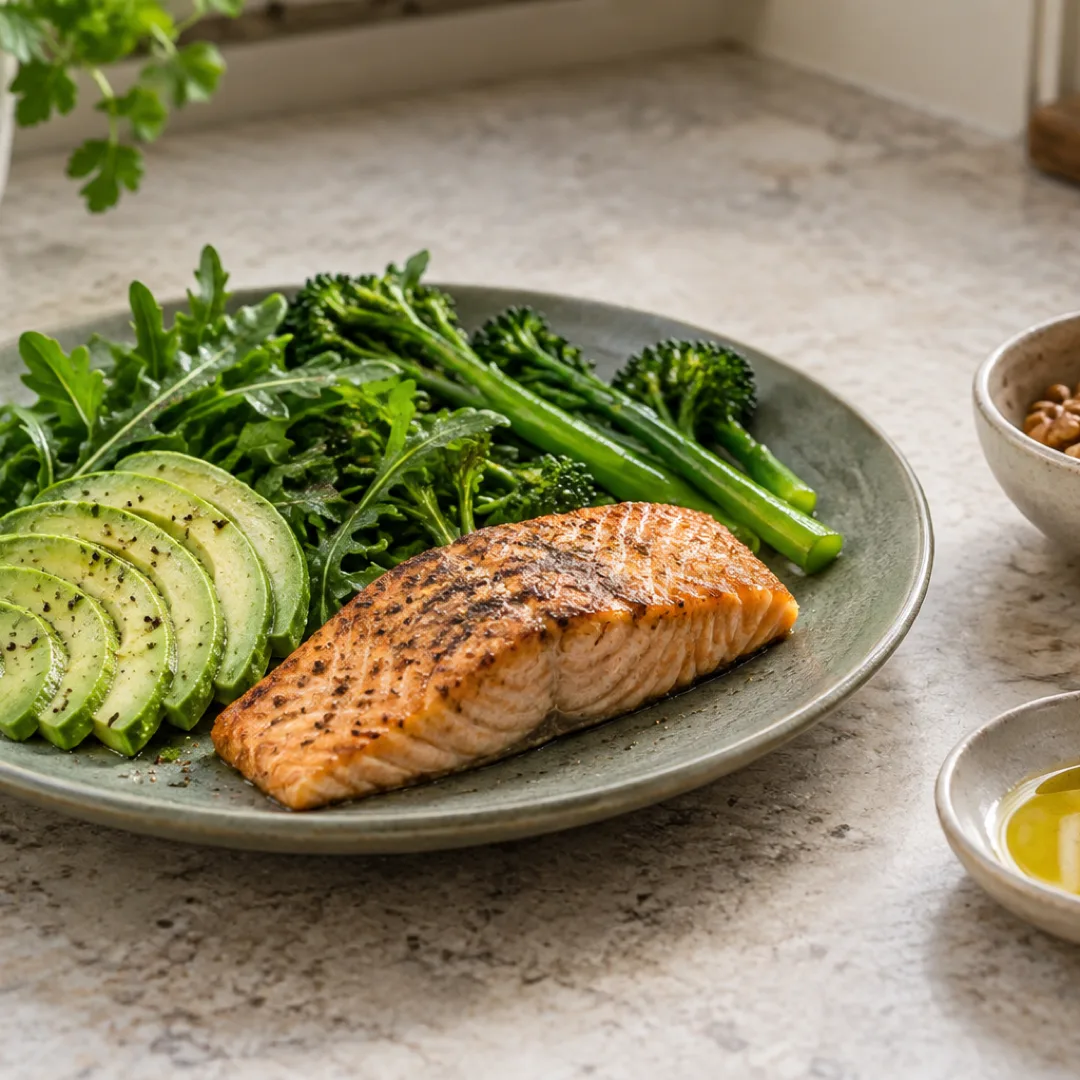
Antioxidant rich foods for healthy aging are everyday plant-based foods, such as berries, leafy greens, nuts, and colorful vegetables, that naturally contain compounds able to neutralize unstable molecules called free radicals. Free radicals are byproducts of normal metabolism and environmental exposure, and the body's cells constantly manage them. Below, you'll find what antioxidants actually are, where they show up in regular meals, how they differ from supplements and skin products, and why a varied eating pattern tends to matter more than any single "superfood."
What "Antioxidant Rich" Actually Means
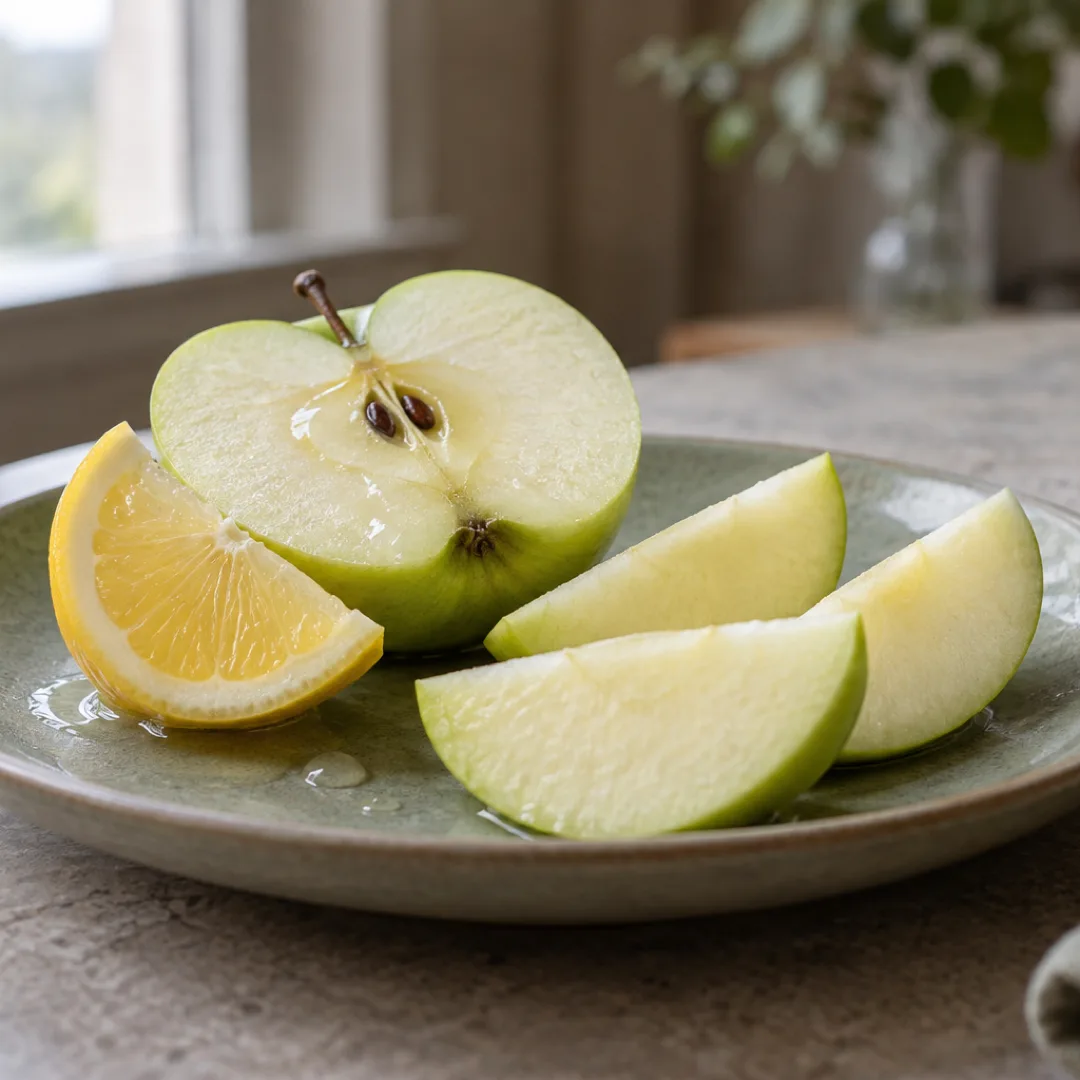
An antioxidant is any substance that can slow or limit the kind of cell damage caused by oxidation. Oxidation is a chemical reaction, and it happens all the time in the body, much like the way a cut apple turns brown when it sits on the counter. That is the one analogy worth keeping in mind: the browning is oxidation, and a squeeze of lemon juice slows it because lemon contains antioxidant compounds.
Foods are called antioxidant rich when they contain meaningful amounts of these compounds. Common examples include vitamin C, vitamin E, carotenoids (the yellow, orange, and red pigments in many vegetables), and polyphenols (a broad family of plant compounds found in tea, berries, cocoa, and many herbs). Flavonoids, a subgroup of polyphenols, are often mentioned in connection with colorful produce.
The term is a descriptive one, not a regulated medical category. A food can be described as antioxidant rich in everyday conversation without that meaning it will produce a particular health result in any one person.
The pigments often point the way
Many antioxidant compounds are also pigments. Deep purple, blue, red, orange, and dark green colors often signal their presence. That is why nutrition guidance from public agencies frequently encourages people to eat a range of colors rather than focusing on one type of produce.
Where Antioxidant Rich Foods Fit Into Daily Eating
Most people already eat some of these foods without thinking about it. The question is usually less about adding something exotic and more about noticing what's already on the plate and what could be varied. According to the U.S. Dietary Guidelines for Americans, a healthy eating pattern generally emphasizes vegetables, fruits, whole grains, and a mix of protein sources, which naturally brings along a wide range of these compounds.
Everyday food groups that commonly contain them
- Berries: blueberries, strawberries, raspberries, and blackberries are often cited for their polyphenol content.
- Leafy greens: spinach, kale, and collard greens contain carotenoids and vitamin C, among other compounds.
- Nuts and seeds: almonds, sunflower seeds, and walnuts are common sources of vitamin E and other plant compounds.
- Colorful vegetables: carrots, sweet potatoes, tomatoes, and bell peppers provide carotenoids and vitamin C.
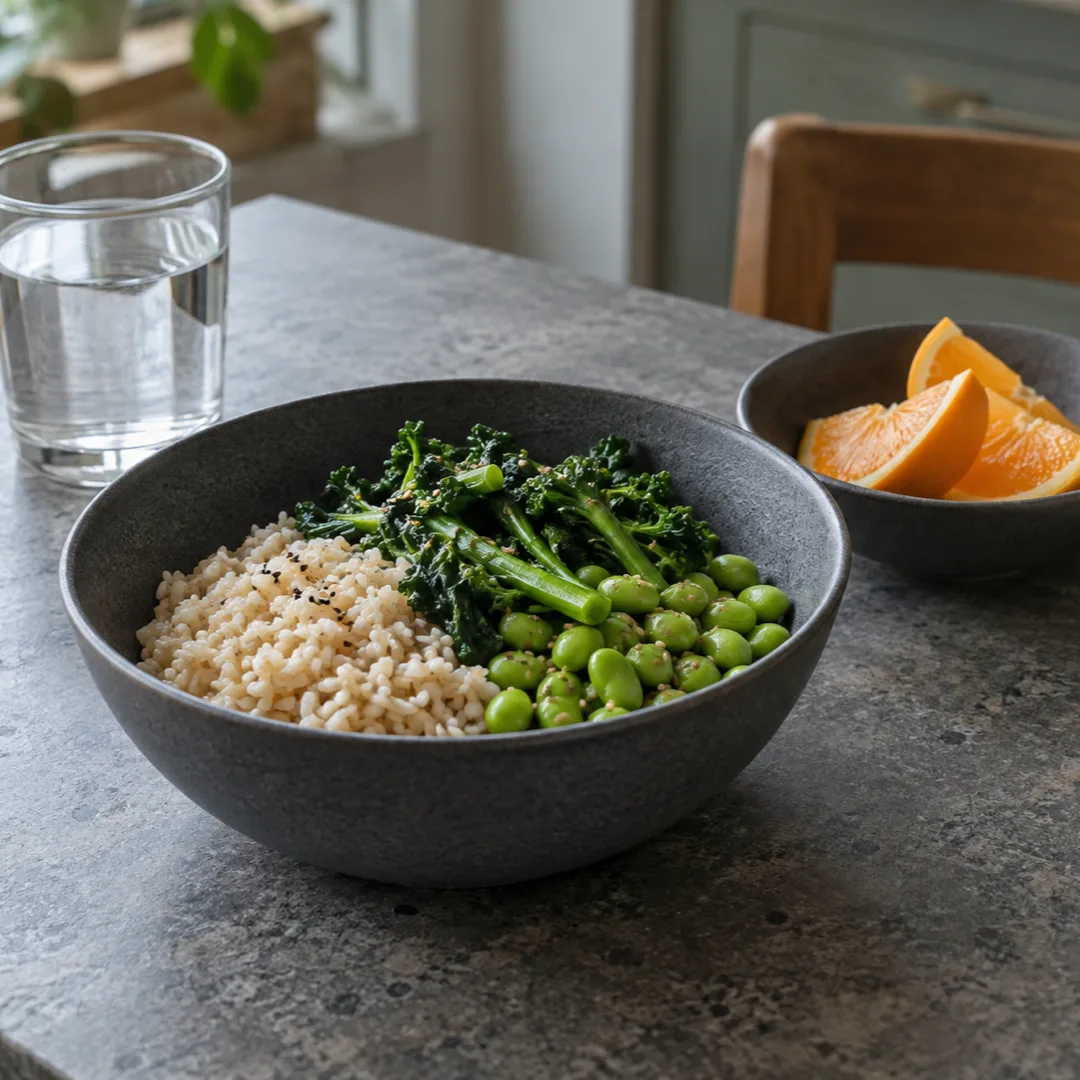
- Legumes and whole grains: beans, lentils, and oats contribute plant compounds along with fiber.
- Tea and cocoa: green tea and unsweetened cocoa are widely known sources of polyphenols.
- Herbs and spices: turmeric, cinnamon, oregano, and cloves are used in many cuisines and contain plant compounds.
Situations where food choices matter more
Eating habits tend to carry more weight when meals are otherwise heavy on highly processed foods, when fruit and vegetable intake is low, or when appetite changes with age and variety shrinks. Older adults sometimes eat the same few foods out of convenience, and that is a common point where small changes, such as adding a different vegetable to a familiar dish, can broaden the mix.
Cooking and storage also play a part. Some compounds hold up well to heat, while others, such as vitamin C, can decline with long cooking. Others, like the carotenoids in tomatoes, may become easier for the body to use after cooking. Because of this, a mix of raw and cooked produce is a reasonable general approach.
Commonly Confused Ideas and How They Differ
Few nutrition topics attract as many mix-ups as antioxidants. Sorting them out helps readers read labels and headlines with a little more caution.
Whole foods versus supplements
Antioxidants obtained from food come packaged with fiber, other nutrients, and many plant compounds that work together. Isolated antioxidant supplements are a different thing. According to the National Institutes of Health, including its National Center for Complementary and Integrative Health, research on high-dose antioxidant supplements has not consistently shown the benefits people might expect from the antioxidant-rich foods themselves. Whether a supplement makes sense for you is a question for a pharmacist or doctor, particularly if you take medications or have a health condition.
Antioxidants versus "anti-aging" claims
Aging is a complex biological process shaped by genetics, sleep, physical activity, stress, sun exposure, smoking, and many other factors. Eating antioxidant rich foods may support overall well-being as part of a balanced diet, but it does not stop or reverse aging. Be cautious with any product or plan that promises dramatic or fast changes. The U.S. Food and Drug Administration generally does not allow foods or supplements to claim they treat or prevent disease, and the Federal Trade Commission pursues misleading health advertising.
Dietary antioxidants versus skin products
Eating a food and applying a product to the skin are different routes with different effects. Skincare items that mention antioxidants, such as vitamin C or vitamin E formulas, work on the skin's surface and are a separate topic. A fruit-heavy diet is not a replacement for sun protection, and a serum is not a replacement for varied meals. If you have a skin concern, a dermatologist or pharmacist can help you sort out what fits your situation.
Antioxidants versus "free radicals are bad"
Free radicals are not simply villains. The body uses them in normal processes, including some immune responses. The goal of a balanced diet is not to eliminate them but to support the body's own systems for keeping them in check. This is one reason experts tend to caution against extreme approaches or very large supplement amounts.
Test-tube scores versus real-life effects
Some food labels and articles cite laboratory ratings of antioxidant capacity. These measurements come from test-tube conditions and do not reliably predict what happens inside the human body. For that reason, the U.S. Department of Agriculture has moved away from promoting such ratings for consumer use. A food's real value is better judged by its overall nutrition, how often you can realistically eat it, and whether you enjoy it.
Why This Matters for Real-World Choices
Understanding the idea behind antioxidant rich foods helps cut through marketing noise. Research on diet and aging, as summarized by public health agencies like the National Institute on Aging, generally points toward overall eating patterns rather than single ingredients. People who eat plenty of vegetables, fruits, whole grains, and other minimally processed foods tend to have better general health outcomes, though diet is only one piece, and individual results differ.
It also matters because food is practical, accessible, and enjoyable. Frozen berries and vegetables are widely considered a reasonable option when fresh produce is costly or hard to find, and canned or dried choices can work too, though added sugar or sodium is worth checking on the label.
Limits and who should be careful
A food-first approach is generally considered low-risk for most people, but individual situations vary. Some points worth keeping in mind:
- People who take blood thinners are often advised to keep their intake of vitamin K-rich leafy greens consistent, and should talk with their clinician or pharmacist before making big changes.
- Those with kidney conditions may need personalized guidance about certain high-potassium fruits and vegetables.
- Food allergies, such as tree nut allergies, rule out some otherwise popular sources.
- Herbal products and concentrated extracts can interact with medications, so a pharmacist or doctor should be consulted before using them.
- Pregnancy, chronic illness, and certain digestive conditions can change what is appropriate.
Seek qualified medical care if you notice unexplained weight loss, ongoing fatigue, loss of appetite, trouble chewing or swallowing, or other persistent changes. Those can have causes that food choices alone will not address, and a registered dietitian or physician can help evaluate them.
How Knowing This Changes Your Decisions
Once the idea of antioxidant rich foods for healthy aging is clear, two judgments tend to shift. First, you can treat the topic as a question of variety and consistency rather than hunting for one "best" ingredient. A mixed plate across the week, with different colors and textures, is a more realistic goal than chasing a trendy item, and it fits comfortably alongside sleep, movement, and regular checkups.
Second, you can read claims with more skepticism. When a label, ad, or influencer links a food or supplement to dramatic aging results, you now know to ask what kind of evidence stands behind it, whether it concerns food or an isolated extract, and whether your pharmacist or doctor thinks it suits your health situation.
Disclaimer: This article is for informational purposes only and is not a substitute for professional medical advice, diagnosis, or treatment. Please consult a licensed professional for personal health decisions.